
Fine Motor Skills: How to Help Your Child Succeed in School and Beyond
Fine motor skills are the intricate movements of the small muscles, primarily in the hands, fingers, and wrists, that allow us to perform delicate tasks. These seemingly simple actions are foundational to a child’s development, influencing everything from their ability to hold a crayon to their capacity to form meaningful relationships. Understanding the scope and significance of fine motor skills is crucial for parents and educators aiming to foster a child’s success, both within the academic setting and throughout their life journey. These skills are not merely about physical dexterity; they are intricately woven into cognitive, social, and emotional growth, providing the building blocks for independence and engagement with the world.
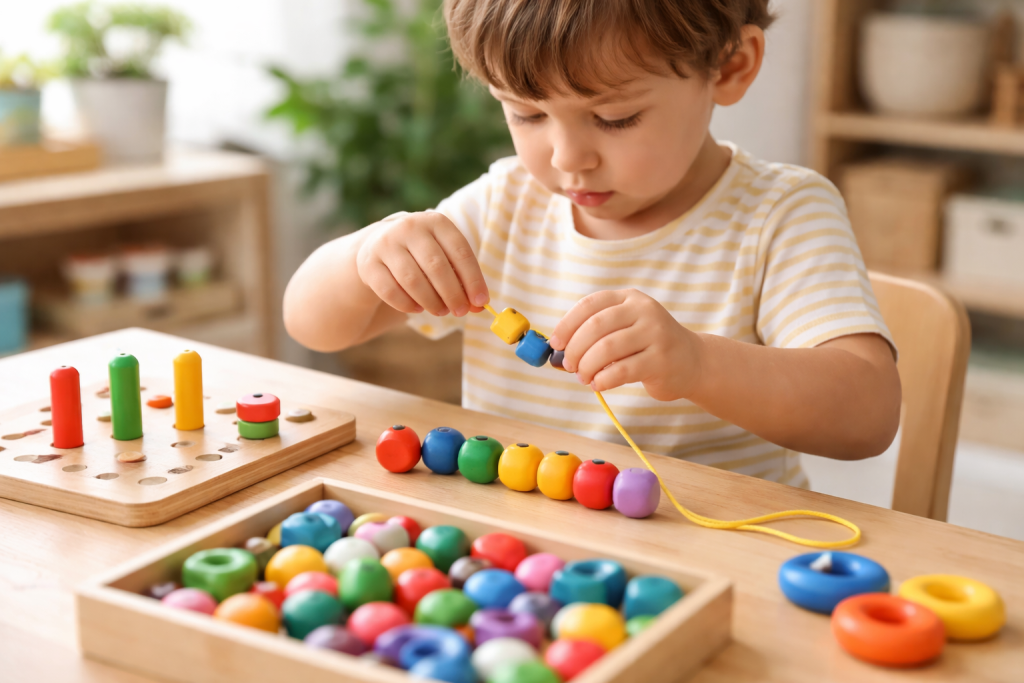
At its core, fine motor skill development refers to the refinement of the muscles responsible for precise, controlled movements. Think about the complicated relationship among muscles required to thread a needle, button a shirt, or manipulate tiny puzzle pieces. These actions demand a high degree of coordination between the brain and the hands, eye-hand coordination, and dexterity. The development of these skills is a gradual process, unfolding over years, with distinct milestones appearing in early childhood. In infancy, grasping a rattle is a rudimentary fine motor skill. As a child grows, this habit evolves into the pincer grasp, where they can pick up small objects using their thumb and forefinger. This progression continues, leading to the ability to control a drawing tool, manage scissors, and eventually, to the complex movements required for writing and other intricate manipulation tasks. The importance of these skills cannot be overstated. They are not isolated abilities; rather, they are deeply interconnected with other developmental domains. Without adequate fine motor development, a child might struggle with tasks that are fundamental to learning and social interaction.
Contents
- 1 The Building Blocks of Dexterity and Control
- 2 The Ripple Effect: How Fine Motor Skills Impact Every Aspect of Life
- 3 Mastering the Tools of Learning: Writing and Drawing
- 4 Beyond the Writing Utensil: Engaging with Classroom Materials
- 5 The Joy of Play: Making it Fun and Functional
- 6 Everyday Tasks as Learning Opportunities
- 7 Establishing the Foundation: Proper Grasp and Posture
- 8 Beyond the Pencil: Strengthening and Coordination Exercises
- 9 Active Participation and Engagement in Learning
- 10 The Foundation for Future Academic Demands
- 11 The Brain’s Workout: Stimulating Neural Pathways
- 12 Problem-Solving Through Play and Manipulation
- 13 Connecting Through Play and Sharing
- 14 Expressing Oneself and Contributing to Group Activities
- 15 Mastering Daily Routines: Self-Care and Personal Management
- 16 The Confidence Boost of Competence
- 17 The Touchscreen Touch: Adapting to Digital Interfaces
- 18 Balancing the Digital and the Tangible
- 19 The Home as a Haven for Development
- 20 Community Connections: Expanding the Learning Landscape
The Building Blocks of Dexterity and Control
The development of fine motor skills begins with a series of interconnected abilities. Early on, the ability to grasp and hold objects is paramount. The process then progresses to the ability to release objects with control, followed by the development of bilateral coordination, where both hands work together. Imagine a child learning to open a jar; the process requires one hand to hold the jar steady while the other twists the lid. Furthermore, sensory integration plays a vital role. The brain needs to accurately interpret sensory input from the hand— the texture of an object, its weight, its shape – to guide precise movements. This intricate feedback loop is essential for refining motor plans and ensuring accuracy.
The Ripple Effect: How Fine Motor Skills Impact Every Aspect of Life
The impact of well-developed fine motor skills extends far beyond the physical. They are catalysts for cognitive growth, fuelling the development of problem-solving abilities and spatial reasoning as children manipulate objects and engage in constructive play. They help people get involved in group activities, like sharing toys and working together on building projects. Independence is also heavily reliant on these skills, enabling children to perform self-care tasks that foster autonomy and self-confidence. Essentially, fine motor skills are the tools children use to interact with and understand their environment, making them indispensable for a well-rounded and successful childhood.
The classroom environment relies heavily on a child’s ability to engage with materials and complete tasks that demand fine motor control. From the earliest stages of preschool through to higher grades, these skills are directly correlated with a child’s ability to participate fully and effectively in their education. The ability to hold a pencil correctly, cut along lines, and manipulate learning tools is a prerequisite for many academic activities. Underdeveloped skills can lead to frustration and a feeling of falling behind, which can negatively affect a child’s confidence and overall learning engagement.
Mastering the Tools of Learning: Writing and Drawing
Handwriting is perhaps the most visible manifestation of fine motor skills in an academic context. The ability to form letters, words, and sentences requires precise control of the hand and fingers, along with sustained attention. Difficulty with handwriting can lead to slower writing speeds, illegible work, and a disinclination to write, which can hinder a child’s ability to express their knowledge and ideas. Similarly, drawing and art activities, which are important for cultivating creativity and visual communication, also depend on fine motor proficiency. The ability to use scissors, crayons, and paintbrushes effectively allows children to translate their imagination onto paper.
Beyond the Writing Utensil: Engaging with Classroom Materials
The academic landscape is littered with tasks that demand fine motor dexterity. Think about the common activities in a kindergarten classroom: using building blocks to learn about shapes and sizes, sorting small counters to understand mathematical concepts, or working with puzzles to develop problem-solving skills. Each of these requires careful manipulation of small objects. Similarly, in older grades, tasks like dissecting a frog in biology, assembling a science experiment, or even organising notes in a binder all rely on refined fine motor control. When a child struggles with these, they may miss out on valuable learning experiences or require additional support, potentially impacting their pace and depth of understanding.
Fortunately, a wealth of engaging and playful activities can significantly enhance a child’s fine motor development. The key is to make these activities fun and age-appropriate, allowing children to practise their skills without feeling pressured. Play-based learning is exceptionally effective, as it taps into a child’s natural curiosity and desire for exploration, making the learning process organic and enjoyable.
The Joy of Play: Making it Fun and Functional
Simple, everyday activities can be transformed into fine motor skill boosters. Dough play, for instance, is a fantastic way to strengthen hand muscles. Children can roll, squeeze, pinch, and shape playdough, developing both gross and fine motor control. Building with small blocks, like LEGOs or Duplo, encourages stacking, connecting, and disconnecting, refining dexterity and hand-eye coordination. Puzzles, of varying complexity, are excellent for developing spatial reasoning and the ability to manipulate small pieces. Stringing beads to create necklaces or bracelets not only strengthens finger muscles but also enhances bilateral coordination and sequencing skills.
Everyday Tasks as Learning Opportunities
Incorporating fine motor practice into daily routines can be incredibly effective. Helping with meal preparation, such as tearing lettuce for a salad or stirring ingredients, provides opportunities for hand and finger strengthening. Buttoning and unbuttoning clothes, zipping and unzipping jackets, and tying shoelaces are all essential self-help skills that also build fine motor prowess. Even simple tasks like sorting laundry by colour or folding napkins can contribute to developing this crucial skill set.
Handwriting is a cornerstone of early academic achievement, and its development is inextricably linked to fine motor skills. Achieving legible and fluent handwriting requires a sophisticated interplay of muscle control, proprioception (the sense of our body’s position in space), and visual perception. For many children, the process is a developmental journey that requires practice, patience, and targeted support.
Establishing the Foundation: Proper Grasp and Posture
The first step toward improved handwriting is ensuring a proper pencil grasp. The most efficient way to hold the pencil is the tripod grasp, where it rests between the thumb and index finger, supported by the side of the middle finger. If a child struggles with this, it’s important to address it early, as an inefficient grasp can lead to fatigue, discomfort, and difficulty controlling the writing instrument. Proper posture is equally vital. Sitting with feet flat on the floor, at a supportive desk, allows for better stability and freedom of movement in the arms and hands, which is essential for fluid writing.
Beyond the Pencil: Strengthening and Coordination Exercises
Beyond practising writing itself, a variety of exercises can strengthen the small muscles of the hands and fingers and improve coordination. Activities like using tweezers to pick up small objects, squeezing stress balls, or using spray bottles can build hand strength. Cutting with scissors, particularly along curved or complex lines, refines bilateral coordination and the ability to control the cutting motion. Drawing circles, lines, and pre-written shapes helps develop the motor memory and control needed for letter formation. Open-ended art activities that involve varied tools like paintbrushes, chunky crayons, and chalk can also be beneficial in building dexterity.
The classroom is a dynamic environment where a child’s ability to interact with their surroundings and participate in activities directly influences their learning experience. Fine motor skills act as the gateway to many of these interactions, shaping how a child engages with lessons, materials, and their peers. Less developed fine motor skills can create invisible barriers to educational engagement and foster feelings of inadequacy.
Active Participation and Engagement in Learning
Children with well-developed fine motor skills are better equipped to actively participate in a wide range of classroom activities. They can easily manipulate learning manipulatives, participate in science experiments requiring careful handling of equipment, or engage in art projects without undue struggle. This ability to physically interact with learning materials fosters a deeper understanding and a more enjoyable learning experience. Conversely, a child who struggles to hold a pencil or control scissors may hesitate to volunteer for tasks or may avoid activities that require these skills, potentially leading to missed learning opportunities.
The Foundation for Future Academic Demands
The demands placed on fine motor skills increase significantly as children progress through their academic careers. Beyond basic writing, tasks like taking detailed notes, completing diagrams, performing dissections, and working on intricate projects all require a high level of dexterity. A strong foundation in fine motor skills during early childhood sets a child up for greater success in meeting these escalating academic challenges. It allows them to focus their cognitive energy on the content of their learning rather than on the mechanics of how to complete a task.
The connection between fine motor skills and cognitive development is profound and often underestimated. The physical act of manipulating objects and engaging in precise movements sends vital signals to the brain, stimulating the growth of neural pathways and enhancing cognitive functions. This interaction is reciprocal; as cognitive abilities grow, they also reinforce and enhance fine motor skills.
The Brain’s Workout: Stimulating Neural Pathways
When a child engages in activities that require fine motor skills, their brain is working overtime. The process of planning a movement, executing it, and then receiving feedback about its success or failure creates a complex neural loop. This constant engagement strengthens connections between different brain regions, particularly those involved in motor control, planning, and sensory processing. Activities like building with blocks, solving puzzles, or even threading beads require the brain to process information from multiple sources – visual, tactile, and proprioceptive – and to coordinate these inputs into a coherent motor output, fostering cognitive flexibility and problem-solving abilities.
Problem-Solving Through Play and Manipulation
The tactile exploration of the world through fine motor activities is intrinsically linked to cognitive development. As children manipulate objects, they are implicitly learning about cause and effect, spatial relationships, and object properties. For instance, stacking blocks teaches principles of balance and gravity, while sorting objects by shape or size develops classification and analytical skills. These hands-on experiences provide a concrete understanding of abstract concepts, laying the groundwork for more complex cognitive tasks encountered in academic settings. The ability to visualise how pieces fit together in a puzzle, for example, directly translates to later abilities in geometry and spatial reasoning.
While often associated with academic tasks, fine motor skills also play a significant, albeit less obvious, role in a child’s social development. Engaging in shared activities and articulating oneself through physical actions can significantly impact a child’s interactions with peers and their sense of belonging.
Connecting Through Play and Sharing
Many social activities in childhood involve shared manipulation of objects. Sharing toys, playing board games, building together, or even engaging in simple peer-to-peer play often requires coordination and the ability to pass items back and forth. Children with well-developed fine motor skills can participate more readily and confidently in these shared experiences. They are less likely to feel excluded or to struggle with the physical demands of group play, which can promote a sense of brotherly love and shared accomplishment. Consider a group of children building a fort; the ability to pass supplies, hold pieces together, and collaborate on the construction requires a level of fine motor proficiency that allows for seamless integration into the group effort.
Expressing Oneself and Contributing to Group Activities
Fine motor skills also contribute to a child’s ability to express themselves and contribute to group endeavours. While verbal communication is paramount, non-verbal cues and the ability to participate physically in activities can also convey engagement and enthusiasm. For example, a child who can help set up a game, pass out materials, or contribute to a collaborative art project demonstrates their willingness to participate and their capacity to contribute to the group’s success. This active participation can lead to increased positive reinforcement from peers and adults, further bolstering social confidence and the development of positive relationships.
The development of fine motor skills is a crucial step toward a child’s independence. The ability to perform everyday tasks for oneself increases a person’s sense of autonomy, self-efficacy, and confidence, which are vital for healthy emotional development and successful navigation of the world.
Mastering Daily Routines: Self-Care and Personal Management
Many essential self-care skills rely heavily on fine motor control. Buttoning shirts, zipping jackets, tying shoelaces, and even brushing teeth all require precise movements of the fingers and hands. Mastering these tasks allows children to take greater responsibility for their personal hygiene and appearance, reducing their reliance on adults. Similarly, the ability to feed oneself with cutlery, pour drinks, and manage personal belongings like backpacks and lunchboxes are all indicators of developing independence that are directly supported by fine motor proficiency.
The Confidence Boost of Competence
The feeling of accomplishment that comes from successfully completing a task independently is a powerful motivator for children. When a child can dress themselves, prepare a simple snack, or even manage their writing materials, they experience a tangible sense of competence. This builds self-esteem and a belief in their abilities, encouraging them to take on new challenges and further explore their independence. The development of fine motor skills, therefore, is not just about physical dexterity; it is about cultivating a child’s inner confidence and their capacity to navigate the world around them with growing self-reliance.
In today’s technologically driven world, the role of fine motor skills has evolved. While traditional skills remain important, children are increasingly interacting with the world through touchscreens and digital devices, which present a new set of fine motor challenges and opportunities.
The Touchscreen Touch: Adapting to Digital Interfaces
Modern technology, from smartphones and tablets to interactive whiteboards, relies heavily on precise finger movements, taps, swipes, and pinches. Children need to develop the dexterity to accurately target icons, drag and drop elements, and manipulate on-screen controls. This technique requires a different type of fine motor control than traditional writing or manipulation of physical objects, but it is equally important for digital literacy and engagement. Activities like tracing on screens, playing simple touchscreen games, or using drawing apps help children hone these skills.
Balancing the Digital and the Tangible
While technology presents helpful resources for learning and entertainment, it is crucial to maintain a balance with traditional hands-on activities. Over-reliance on digital devices can sometimes lead to a neglect of the fundamental fine motor skills needed for tasks like handwriting or manipulating physical objects. Educators and parents should encourage a holistic approach, integrating technology as a complementary tool rather than a replacement for activities that promote tactile engagement and gross motor skill development. The goal is to ensure children develop a well-rounded skill set that prepares them for both the physical and digital aspects of the modern world.
The development of fine motor skills is a continuous journey that benefits greatly from consistent support and encouragement from both home and the wider community. Creating an environment that prioritises these skills through engaging activities and mindful practice can significantly contribute to a child’s overall success.
The Home as a Haven for Development
The home environment is a primary arena for fine motor skill development. Parents can actively integrate opportunities for practice into daily routines. Providing various age-appropriate toys that encourage manipulation, such as building blocks, puzzles, art supplies, and playdough, is essential. Encouraging participation in household chores that involve fine motor tasks, like helping to sort laundry, setting the table, or assisting with simple cooking, can be both practical and beneficial. Creating a dedicated space for creative play with access to drawing materials, scissors, and craft supplies empowers children to explore their dexterity independently.
Community Connections: Expanding the Learning Landscape
Beyond the home, various community resources can supplement fine motor skill development. Libraries often offer craft sessions and activities that involve cutting, glueing, and manipulation. Children’s museums frequently feature interactive exhibits designed to engage children’s sensory and motor skills. Organised sports and group activities, even those not directly focused on fine motor skills, can indirectly contribute through the development of hand-eye coordination and bilateral movements. Furthermore, engaging with therapists, educators, and support groups can provide valuable insights and strategies for addressing specific fine motor challenges and fostering optimal development.

Emma Carter is an early childhood education enthusiast and content creator at Edyzoa. She is passionate about helping children learn through fun, engaging, and safe educational resources that support creativity, curiosity, and skill development.