
Gratitude Games: Teaching Kids the Importance of Being Thankful
The gentle hum of everyday life often carries a melody of forgotten gifts. We rush from one task to the next, our minds filled with to-do lists and future plans, sometimes overlooking the simple abundance that surrounds us. For our children, growing up in a world often characterised by instant gratification and constant stimuli, the ability to recognise and appreciate these gifts is not merely a nice-to-have; it’s a foundational skill for a fulfilling life. Teaching kids the importance of being thankful and fostering a sense of gratitude can be achieved through a multitude of engaging avenues, transforming the often-abstract concept into a tangible, joyful practice.
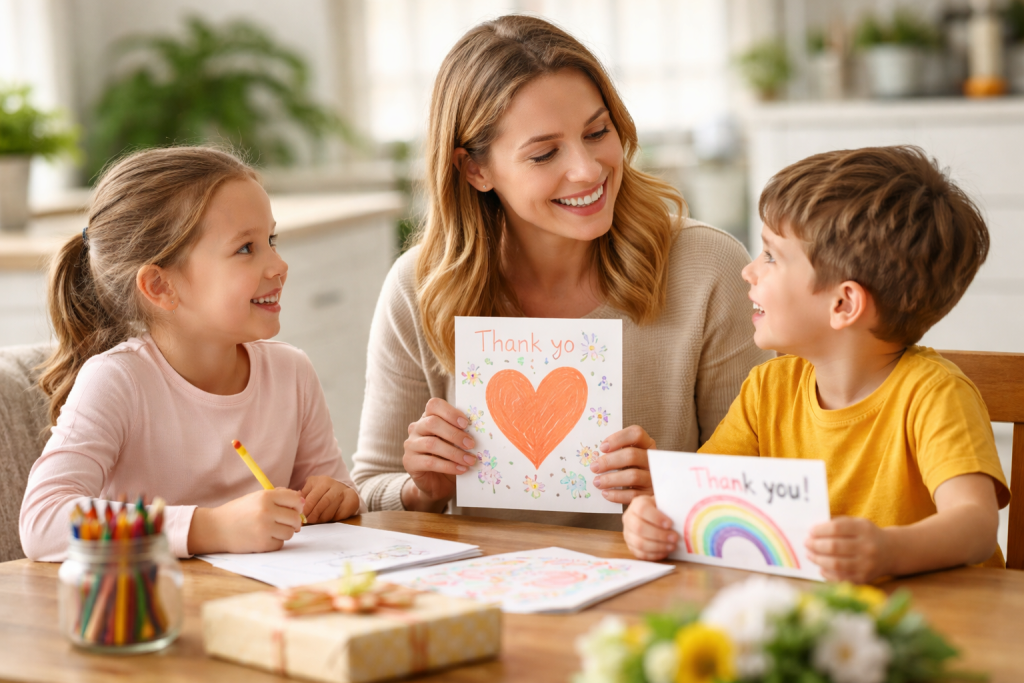
The significance of cultivating gratitude in children extends far beyond simply saying “thank you”. It’s a powerful tool that shapes their worldview, influencing their emotional well-being, social interactions, and overall mental resilience. When children learn to be thankful, they begin to shift their focus from what they lack to what they possess, fostering contentment and reducing feelings of entitlement. This inherent understanding of appreciation can be the bedrock upon which a positive mindset is built, equipping them to navigate life’s inevitable challenges with a more optimistic outlook.
Contents
- 1 The Ripple Effect: Gratitude’s Impact on Emotional Well-being
- 2 Shaping Character: Gratitude as a Catalyst for Empathy and Kindness
- 3 For the Little Ones: Simple Foundations of Thank You
- 4 For School-Aged Children: Deeper Understanding and Expression
- 5 For Teenagers: Personal Reflection and Social Consciousness
- 6 The Science Behind the Smile: Gratitude’s Neurological Benefits
- 7 Building a Foundation for Lasting Happiness: Gratitude as a Habit
- 8 Tips for Parents: Nurturing Thankfulness at Home
- 9 Tips for Educators: Cultivating Gratitude in the Classroom
- 10 The Empathy Bridge: Understanding Needs and Contributions
- 11 Building a Community of Care: The Role of Gratitude in Family Dynamics
- 12 Neurological Pathways to Happiness: Gratitude’s Brain Boost
- 13 The Power of Consistency: Making Gratitude a Daily Practice
The Ripple Effect: Gratitude’s Impact on Emotional Well-being
The science behind gratitude is increasingly illuminating its impact on our brains, and for developing minds, this is particularly potent. Studies suggest that practising gratitude can activate pleasure centres in the brain, releasing neurotransmitters like dopamine and serotonin, which are associated with happiness and well-being. For children, experiencing these positive emotions can lead to a stronger sense of self-worth and a more robust ability to cope with stress and adversity.
Building Resilience: Gratitude as an Emotional Buffer
When children are encouraged to identify things they are grateful for, even amidst difficult circumstances, they develop a powerful coping mechanism. This practice helps them to reframe negative situations, find silver linings and recognise the support systems they have in place. This resilience is not innate; it’s nurtured. Games and activities designed to highlight blessings, no matter how small, can build this emotional buffer, making children less susceptible to the downfalls of disappointment and more adept at bouncing back.
Shaping Character: Gratitude as a Catalyst for Empathy and Kindness
Gratitude is intrinsically linked to empathy and kindness. When a child feels genuinely thankful for something, they are more likely to consider the efforts of others, leading to a deeper understanding of their perspectives. This recognition of the contributions of others naturally fosters a desire to reciprocate and to act with compassion.
The Generosity Connection: From Thankfulness to Giving
The journey from appreciation to altruism is a natural progression. Children who understand the value of what they receive are more inclined to want to share their own blessings with others. Gratitude games that encourage children to think about those who help them or those who might be less fortunate can spark a desire to contribute, to volunteer, or simply to offer a helping hand. This instills a sense of social responsibility and strengthens their capacity for genuine kindness.
Teaching children to express gratitude doesn’t have to be a chore; it can be an adventure. The power of play is undeniable in childhood learning, and when it comes to instilling gratitude, the possibilities are as vibrant as a child’s imagination. By weaving gratitude into playful experiences, we make the concept accessible, memorable, and, most importantly, enjoyable for children of all ages.
For the Little Ones: Simple Foundations of Thank You
For toddlers and preschoolers, the focus is on hands-on, sensory experiences that connect feelings of appreciation to concrete actions. Simple prompts and gentle guidance are key.
The “Thankful Jar” Activity: A Visual Celebration of Blessings
A decorated jar placed in a prominent spot in the home or classroom can become a focal point for gratitude. Children can draw pictures or dictate words about things they are thankful for, which are then placed inside the jar. Periodically, the contents can be reviewed, fostering discussion and reinforcing the positive emotions associated with these blessings. This visual reminder makes abstract concepts tangible and encourages ongoing reflection.
Sensory Gratitude Exploration: Appreciating the World Around Us
Engaging the senses can be a powerful way to cultivate gratitude. Activities like nature walks, where children identify and express thanks for the sights, sounds, smells, and textures of the natural world, can be incredibly impactful. Similarly, exploring fruits and vegetables, appreciating their colours and tastes, and appreciating the effort it takes to grow them can foster a sense of thankfulness for nourishment.
For School-Aged Children: Deeper Understanding and Expression
As children grow, their capacity for abstract thought expands, allowing for more nuanced discussions and creative expressions of gratitude. Games can become more collaborative and involve reflection on relationships and community.
Gratitude Storytelling: Crafting Narratives of Appreciation
Encourage children to write or tell stories about a time someone helped them, a special gift they received, or something they are happy to have. These stories can be shared orally, typed out, or even illustrated. This creative outlet allows them to process their feelings of thankfulness and communicate them in a meaningful way.
“Gratitude Bingo” or “Gratitude Scavenger Hunt”: Active Appreciation
Create Bingo cards with squares representing different things to be thankful for (e.g., a pet, a good friend, a warm bed, a favourite book). Children can mark off squares as they identify these things in their lives. A scavenger hunt can be designed where clues lead to items or experiences that prompt expressions of gratitude. These active games make the process of finding things to be thankful for a fun challenge.
“Acts of Kindness” Challenges: Turning Gratitude into Action
Once children understand the role of gratitude, encouraging them to perform acts of kindness in return can solidify the lesson. A challenge to perform a certain number of kind deeds for family members, friends, or their community can transform their appreciation into tangible positive actions. This reinforces the idea that gratitude is not just a feeling but also a call to generosity.
For Teenagers: Personal Reflection and Social Consciousness
Teenagers, navigating complex social dynamics and personal growth, can benefit from gratitude practices that encourage introspection and a broader understanding of their place in the world. Conversations and more sophisticated reflective activities can be effective.
Gratitude Journaling with Prompts: Deeper Self-Awareness
Encourage older children to keep a gratitude journal, providing them with thoughtful prompts that encourage reflection on their relationships, personal achievements, and the opportunities available to them. Prompts could include: “What skill am I grateful to have learned recently?”, “Who in my life has supported me this week and how?” or “What small moment brought me joy today?”
“Gratitude Wall” or “Appreciation Chain”: Collaborative Recognition
In a family or classroom setting, a “gratitude wall” where individuals can post notes of appreciation for others, or an “appreciation chain” where each link represents a thank you, can foster a culture of mutual respect and recognition. This encourages open communication about the positive impact people have on each other.
Discussing Global Gratitude: Expanding Their Worldview
Engage teenagers in discussions about gratitude in a global context. Explore how different cultures express thankfulness and discuss the challenges faced by those in less fortunate circumstances. This can broaden their perspective and foster a deeper appreciation for their own lives and opportunities.
The impact of regularly engaging in gratitude activities extends profoundly into a child’s mental and emotional landscape. It’s not simply about acknowledging pleasantries; it’s about rewiring their brains to focus on the good, building resilience, and fostering a more optimistic lens through which to view the world.
The Science Behind the Smile: Gratitude’s Neurological Benefits
The brain is a remarkably plastic organ, and repeated actions can forge new neural pathways. When children consciously practise gratitude, they are essentially training their brains to look for the positive. Scientific studies have indicated that gratitude can increase activity in the medial prefrontal cortex, an area of the brain associated with positive emotions and social cognition. This enhanced activity can lead to feelings of happiness, contentment, and reduced stress.
Stress Reduction and Improved Coping Mechanisms: Gratitude as an Emotional Shield
In a world that can often feel overwhelming, gratitude acts as a powerful buffer against stress and anxiety. By focusing on what they have to be thankful for, children can shift their attention away from worries and perceived lacks. This cognitive reframing helps them to manage challenging emotions more effectively and build a greater sense of control over their responses to adversity.
Building a Foundation for Lasting Happiness: Gratitude as a Habit
The goal of teaching gratitude is not a fleeting lesson but the cultivation of a lifelong habit. By integrating gratitude practices into everyday life from a young age, children are more likely to carry this valuable trait into adulthood, reaping its benefits throughout their lives.
The Gratitude Feedback Loop: From Thankfulness to Flourishing
When children experience the positive emotional and social outcomes of practising gratitude, it creates a positive feedback loop. The more they practise, the more benefits they experience, which in turn encourages further practice. This cycle of appreciation and positive reinforcement is fundamental to nurturing a flourishing and fulfilling life.
The most effective way to teach children gratitude is to model it and to weave it seamlessly into the routines of everyday life. It’s not about dedicating specific “gratitude time” but about finding opportunities to acknowledge blessings in the midst of ordinary moments.
Tips for Parents: Nurturing Thankfulness at Home
Parents are the primary role models for their children, and their own expressions of gratitude will speak volumes.
Mindful Mornings and Evenings: Setting the Tone for Appreciation
Start the day with a quick “what are you thankful for today?” moment during breakfast, or reflect on the day’s blessings before bedtime. Even a simple shared thought can create a powerful habit.
Expressing Thanks for Effort: Recognizing the Process, Not Just the Outcome
When a child helps with chores or accomplishes something, express gratitude not just for the finished product but for their effort and willingness to contribute. This teaches them to appreciate the work and dedication involved.
Thanking Others Collectively: Family Appreciation Rituals
Make it a family practice to write thank you notes for gifts received or to verbally express appreciation for each other’s contributions to the household. Collective gratitude reinforces the value of interconnectedness.
Tips for Educators: Cultivating Gratitude in the Classroom
Educators have a unique opportunity to foster a culture of appreciation within the learning environment, creating a more positive and supportive atmosphere for all.
Classroom Gratitude Board: A Public Display of Appreciation
Similar to the home “gratitude jar”, a classroom gratitude board allows students to share their thankfulness, creating a visual reminder of the positive aspects of their school community.
Integrating Gratitude into Curriculum: Connecting Learning to Appreciation
Incorporate lessons that highlight the efforts of scientists, artists, authors, or historical figures, prompting students to express gratitude for their contributions. Even subjects like maths can be approached through an appreciation of patterns and logic.
Modeling and Encouraging Peer Appreciation: Creating a Culture of Kindness
Educators can consistently model expressing gratitude to students for their efforts and positive behaviours. Encouraging students to thank one another for help or positive interactions further strengthens the classroom’s appreciative atmosphere.
Gratitude games are not just about a child saying “thank you”; they are powerful tools for building empathy and kindness. When children truly understand and feel grateful for what they have, they naturally begin to see the world through a more compassionate lens. This shift in perspective is crucial for developing well-rounded, socially conscious individuals.
The Empathy Bridge: Understanding Needs and Contributions
When a child is encouraged to think about who helped them or what they have been given, they begin to understand that others have put in effort and care. This realisation bridges the gap between their own experience and the experiences of others, fostering empathy for the needs and contributions of those around them.
From Receiving to Giving: The Cycle of Generosity
Just as gratitude can lead to empathy, it can also pave the way for generosity. A child who feels thankful for a warm coat is more likely to understand the importance of donating old clothes to those in need. Gratitude games that explore the idea of sharing and helping others transform abstract empathy into tangible acts of kindness.
Building a Community of Care: The Role of Gratitude in Family Dynamics
Within a family, gratitude can be the glue that holds members together, fostering stronger bonds and a more supportive environment. When appreciation is a regular part of family life, it creates a culture of kindness and mutual respect.
The Appreciation Alliance: Strengthening Family Connections
Families that openly express gratitude for each other’s actions, big or small, create a powerful sense of belonging and value. This can lead to greater cooperation, reduced conflict, and a more harmonious home life.
Modeling Generational Gratitude: Passing Down the Gift
Parents passing down the practice of gratitude to their children creates a legacy of appreciation. Not only does this benefit the child’s personal development, but it also strengthens the family’s ability to navigate challenges together and to support one another through life’s journey.
The impact of gratitude on a child’s brain is not merely anecdotal; it is rooted in scientific understanding. From early childhood, consistent exposure to thankful practices can shape neural pathways and contribute to a healthier, more resilient brain.
Neurological Pathways to Happiness: Gratitude’s Brain Boost
Research has shown that practising gratitude can activate the brain’s reward system, releasing neurochemicals like dopamine and serotonin, which are integral to feelings of pleasure and well-being. This can lead to a more positive emotional state and a greater capacity for joy. Furthermore, studies suggest that gratitude can influence the amygdala, the brain’s fear centre, potentially reducing its reactivity and promoting a calmer, more balanced emotional response.
Cognitive Flexibility and Problem-Solving: A Grateful Mind at Work
A brain that is accustomed to seeking out the positive, as facilitated by gratitude practices, often demonstrates greater cognitive flexibility and improved problem-solving abilities. By being able to reframe challenges and focus on available resources, children with a strong sense of gratitude are better equipped to find innovative solutions and adapt to new situations.
The ultimate aim in teaching children to be thankful is to instil habits that will serve them throughout their lives. This requires a consistent and thoughtful approach, integrating gratitude into the very fabric of their upbringing.
The Power of Consistency: Making Gratitude a Daily Practice
Like any skill, gratitude is strengthened through repetition. The more consistently children engage in thankful reflection and expression, the more ingrained it becomes. This doesn’t mean constant formal dedication, but rather finding small, consistent opportunities throughout the day.
Transitioning From Prompted Gratitude to Spontaneous Appreciation: The Natural Flow
The journey from being reminded to say thank you to spontaneously feeling and expressing appreciation is a sign of true habit formation. As children mature, they will begin to internalise the practice, recognising and acknowledging blessings on their own accord.
Celebrating Gratitude Milestones: Reinforcing the Positive Habit
Acknowledge and celebrate moments when children demonstrate a strong sense of gratitude, even if it’s a simple heartfelt thank you. Positive reinforcement is a powerful motivator and helps to solidify the learned behaviour. By making gratitude a positive and rewarding experience, we encourage its continued practice, ensuring that this invaluable trait becomes an enduring part of their character.
Emma Carter is an early childhood education enthusiast and content creator at Edyzoa. She is passionate about helping children learn through fun, engaging, and safe educational resources that support creativity, curiosity, and skill development.