
Engaging and Informative: The Best Educational YouTube Channels for Kids
The digital age has opened up a universe of learning opportunities, and at the forefront of this educational revolution lies YouTube. For children, this video-sharing platform has transcended mere entertainment, evolving into a vibrant hub for acquiring knowledge and developing essential skills. This exploration addresses the world of educational YouTube channels for kids, highlighting their significance, diverse offerings, and how parents can best harness their power.
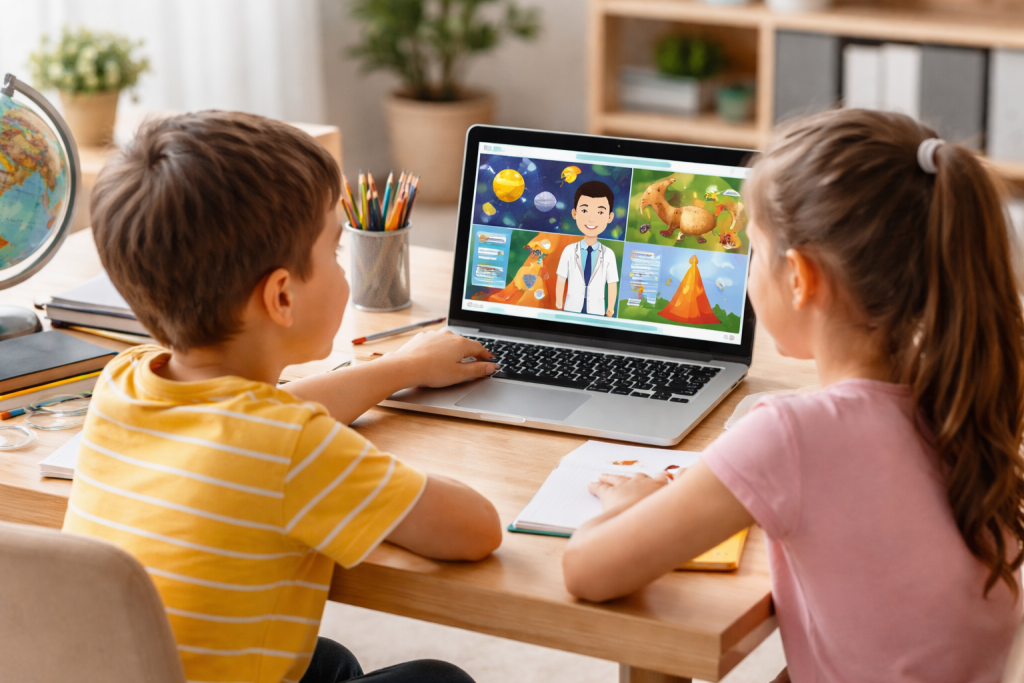
The landscape of childhood learning has undergone a significant transformation with the advent of accessible and engaging online content. The days of relying solely on textbooks and classroom lectures for learning have passed. YouTube has emerged as the primary platform for this shift, providing a wealth of educational resources at the click of a button. Educational YouTube channels are specifically designed to cater to young, inquisitive minds, offering a dynamic and often entertaining approach to subjects ranging from science and mathematics to history and art. These channels leverage the visual and auditory strengths of video to explain complex concepts in simple, digestible ways, often incorporating animation, experiments, songs, and relatable characters to capture and maintain a child’s attention. The accessibility of these channels means that learning can extend far beyond the school day, providing opportunities for exploration and reinforcement in a format that resonates with modern children.
Contents
- 1 The Rise of Digital Learning Companions
- 2 Understanding the Appeal of Video-Based Learning
- 3 Fostering Curiosity and a Love for Learning
- 4 Making Abstract Concepts Tangible and Understandable
- 5 Supplementing and Reinforcing Classroom Learning
- 6 For the Youngest Explorers (Ages 2-6)
- 7 For Budding Scientists and Inquisitive Minds (Ages 6-12)
- 8 For Mastering Math and Logic (Ages 6-12)
- 9 For Exploring History and the World (Ages 8-14)
- 10 For Creative Expression and General Knowledge (All Ages)
- 11 Age Appropriateness and Developmental Stages
- 12 Aligning with Your Child’s Interests and Curiosities
- 13 Content Quality and Educational Accuracy
- 14 Engagement and Interactivity Factors
- 15 The Power of Visual Storytelling and Animation
- 16 Incorporating Music, Songs, and Rhymes
- 17 Encouraging Active Participation and Critical Thinking
- 18 Real-World Demonstrations and Experiments
- 19 Reinforcing Classroom Concepts and Skills
- 20 Introducing Diverse Perspectives and Subjects
- 21 Fostering Independent Learning and Research Skills
- 22 Making Learning Accessible and Engaging for All
- 23 Creating Dynamic Lesson Plans
- 24 Providing Supplementary Resources and Enrichment Activities
- 25 Facilitating Project-Based Learning
- 26 Offering Diverse Learning Experiences
- 27 Independent Exploration and Skill Development
- 28 Utilizing YouTube Kids and Parent-Created Playlists
- 29 Setting Clear Viewing Guidelines and Time Limits
- 30 Encouraging Critical Evaluation of Content
- 31 Promoting Active Engagement Over Passive Consumption
- 32 Staying Involved and Communicating
The Rise of Digital Learning Companions
The proliferation of smartphones, tablets, and readily available internet access has made YouTube an ever-present companion in many children’s lives. Recognising this, creators have stepped in to fill the void with high-quality educational programming. These channels often employ a pedagogical approach, breaking down subjects into manageable segments, posing questions, and encouraging critical thinking. They act as digital tutors, offering a personalised learning experience that can be paused, rewound, and revisited as needed, a stark contrast to the linear progression of traditional learning methods.
Understanding the Appeal of Video-Based Learning
Children are naturally drawn to visual and auditory stimuli. Educational YouTube channels harness this innate preference by presenting information through engaging visuals, clear narration, and often, catchy music. This multi-sensory approach aids in comprehension and retention, making learning feel less like a chore and more like an exploration. The interactive elements often embedded within these videos, such as prompts for viewers to guess answers or participate in simple experiments, foster an active learning environment that keeps children engaged and motivated.
The integration of YouTube into a child’s learning journey offers a multitude of advantages that can significantly enhance their educational experience. Its ability to present information in diverse, engaging formats makes it a powerful supplementary tool.
Fostering Curiosity and a Love for Learning
One of the most significant benefits of educational YouTube channels is their capacity to ignite and nurture a child’s innate curiosity. By presenting subjects in an exciting and accessible manner, these channels can spark a genuine interest in learning that may not always be cultivated in a traditional classroom setting. Children’s desire to understand and explore further amplifies when they encounter animated explanations of complex scientific phenomena or vibrant historical recreations. This intrinsic motivation is crucial for lifelong learning.
Encouraging Self-Directed Exploration
YouTube empowers children to take ownership of their learning. They can independently seek videos on topics that pique their interest, delve deeper into subjects they find fascinating, and learn at their own pace. This self-directed exploration encourages pupils to take ownership and responsibility for their education, building valuable skills that extend beyond academic subjects.
Making Abstract Concepts Tangible and Understandable
Many academic disciplines involve abstract concepts that can be difficult for children to grasp. Educational YouTube channels excel at demystifying these ideas. Through animations, real-world examples, and hands-on demonstrations, they can make the intangible tangible. For instance, explaining the concept of gravity through a visually engaging animated sequence or demonstrating the principles of electricity with simple household items can revolutionise a child’s understanding.
Visualizing for Deeper Comprehension
The visual nature of YouTube videos is a significant advantage. Complex mathematical equations can be illustrated with interactive graphics, historical events brought to life through reenactments and animated maps, and scientific processes visualised in detail. Compared to solely text-based learning, this visual learning approach caters to different learning styles and significantly enhances comprehension and retention.
Supplementing and Reinforcing Classroom Learning
Educational YouTube channels aim to supplement and reinforce traditional schooling, not to replace it. They can provide alternative explanations for concepts that a child might be struggling with in class, offer opportunities for review, or go over subjects that are not covered in depth in the curriculum. This consistent exposure to material in different formats can solidify understanding and build confidence.
Bridging Knowledge Gaps
If a child misses a lesson or finds a particular topic challenging, educational YouTube channels can be an invaluable resource for catching up. They offer accessible explanations that can fill in any knowledge gaps and ensure that the child can keep pace with their peers, reducing academic anxiety.
The sheer volume of educational content on YouTube can be overwhelming, but several channels consistently stand out for their quality, accuracy, and engaging presentation. These channels offer a diverse range of subjects and learning styles, catering to a broad spectrum of young learners.
For the Youngest Explorers (Ages 2-6)
- Blippi: While often leaning towards fun and entertainment, Blippi introduces young children to various real-world concepts, from visiting farms to understanding professions, all through energetic songs and hands-on exploration.
- Cocomelon: Known for its catchy nursery rhymes and animated characters, Cocomelon subtly weaves in foundational learning concepts such as counting, letters, and simple social-emotional lessons.
For Budding Scientists and Inquisitive Minds (Ages 6-12)
- SciShow Kids: This channel breaks down complex scientific topics into easily understandable segments for children. They cover everything from why volcanoes erupt to how plants grow, often featuring engaging experiments and animations.
- Crash Course Kids: Offering a faster-paced and slightly more in-depth look at various subjects, Crash Course Kids provides animated explanations of science, history, and even literature for elementary school students.
- National Geographic Kids: Leveraging the iconic brand’s expertise, this channel offers captivating content about animals, nature, geography, and culture, filled with stunning visuals and fascinating facts.
For Mastering Math and Logic (Ages 6-12)
- Math Mammoth: This channel offers clear and concise explanations of mathematical concepts, aligning well with common curricula and providing supplementary learning resources for various grade levels.
- Numberock: Combining catchy songs with animated visuals, Numberock makes learning math facts and concepts enjoyable and memorable for elementary school students.
For Exploring History and the World (Ages 8-14)
- Crash Course (Various Series): While many Crash Course series are aimed at older audiences, their history, literature, and science series can be accessible for older children with parental guidance, offering comprehensive overviews of complex topics.
- TED-Ed: This channel features beautifully animated lessons on a vast array of subjects, from science and philosophy to art and history, each distilled from TED talks and designed to spark curiosity and deeper thinking.
For Creative Expression and General Knowledge (All Ages)
- Art for Kids Hub: This channel provides step-by-step drawing tutorials, making art accessible and fun for children of all ages, encouraging creativity and fine motor skill development.
Navigating the vast expanse of educational YouTube channels requires a thoughtful approach to ensure that the content aligns with your child’s age, interests, and learning needs. Careful selection maximises the benefits and minimises potential drawbacks.
Age Appropriateness and Developmental Stages
The most critical factor in selecting content is ensuring it is age-appropriate. What captivates a preschooler will likely bore a pre-teen, and vice versa. Consider the vocabulary used, the complexity of the concepts presented, and the overall tone. Channels that use simple language and visual aids are ideal for younger children, while older children can benefit from more in-depth explanations and complex subject matter.
Matching Content to Cognitive Abilities
Beyond just age, consider your child’s unique cognitive abilities and learning style. Do they respond best to animation, live-action demonstrations, or musical explanations? Are they visual learners, auditory learners, or kinaesthetic learners? Observing your child’s reactions to different types of content will provide valuable clues.
Aligning with Your Child’s Interests and Curiosities
Children are more likely to engage with and learn from content that genuinely interests them. If your child is fascinated by dinosaurs, seek out channels that offer educational content about palaeontology. If they love animals, explore nature documentaries and wildlife channels. Tapping into existing passions is a powerful motivator for learning.
Encouraging Breadth of Knowledge
While it’s important to cater to your child’s interests, it’s also beneficial to introduce them to new subjects and broaden their horizons. Use YouTube as an opportunity to expose them to areas they might not have considered, such as astronomy, classical music, or different cultures.
Content Quality and Educational Accuracy
Not all educational content is created equal. It’s crucial to vet the channels you choose for accuracy and quality of information. Look for channels produced by reputable organisations, educators, or those that clearly cite their sources. Avoid channels that present misinformation or biased perspectives.
The Importance of Credible Sources
Prioritise channels that demonstrate a commitment to educational integrity. This might include channels affiliated with museums, universities, or known educational organisations. Reliable sources ensure that your child is learning factual and well-researched information.
Engagement and Interactivity Factors
The best educational YouTube channels go beyond simply delivering information; they actively engage the viewer. Look for channels that use interactive elements, ask questions, encourage participation, and present information in a dynamic and exciting way.
Beyond Passive Consumption
The ideal educational video encourages active participation rather than passive consumption. This could involve asking viewers to pause and predict outcomes, suggesting simple at-home experiments, or posing questions that stimulate critical thinking.
The inherent nature of YouTube, with its visual and auditory capabilities, lends itself to creating highly engaging and interactive learning experiences for children. This form of learning can foster deeper comprehension and a more active role in their educational journey.
The Power of Visual Storytelling and Animation
Many educational channels effectively use animation and visual storytelling to explain complex ideas. Instead of static diagrams, children can witness scientific processes unfolding, historical events being reenacted, or mathematical concepts being illustrated through dynamic graphics. This visual immersion helps to make abstract concepts more concrete and memorable, appealing to children’s natural inclination for visual learning.
Bringing Concepts to Life
Animation and compelling visuals can transform dry facts into captivating narratives. A child can learn about the solar system not just by memorising planet names but by virtually travelling through space, witnessing planetary orbits and geological features in vivid detail. Such an approach makes the learning process far more impactful and enjoyable.
Incorporating Music, Songs, and Rhymes
Music has always been a powerful tool for memory retention. Many educational YouTube channels leverage this by incorporating catchy songs, rhythmic rhymes, and sing-along segments to teach everything from multiplication tables and spelling to historical facts and science concepts. This approach makes learning fun and helps children recall information with ease.
Melodies of Knowledge
The association of melodies with academic content can create powerful neural pathways, making it easier for children to access and recall information. A well-crafted song about the water cycle or the alphabet can become an instant favourite, providing a constant source of informal learning.
Encouraging Active Participation and Critical Thinking
The most effective educational YouTube channels don’t just present information; they encourage viewers to think, question, and participate. This can manifest in various ways, such as posing questions throughout the video, inviting viewers to guess the answers to problems, or prompting them to conduct simple experiments at home.
Beyond Passive Viewing
Creating opportunities for children to actively engage with the content is paramount. When a video asks, “What do you think will happen next?” or suggests, “Try this at home with adult supervision,” it transforms the child from a passive observer into an active learner, fostering critical thinking and problem-solving skills.
Real-World Demonstrations and Experiments
Seeing is believing, and many educational channels excel at bringing learning into the real world through demonstrations and experiments. Children can witness the principles of physics in action, observe chemical reactions, or learn about biology through close-up views of nature, all from the comfort of their home.
Making Learning Tangible and Experiential
Even when viewed on a screen, hands-on demonstrations can enhance the tangible and relatable nature of learning. When a science channel shows how to build a simple circuit or explains the buoyancy of objects through relatable examples, children gain a practical understanding that transcends theoretical knowledge.
YouTube has evolved far beyond its beginnings as a source of entertainment; it has become a valuable ally in augmenting the traditional educational framework. Its flexibility and diverse content offer unique advantages in supporting and enriching classroom learning.
Reinforcing Classroom Concepts and Skills
For many students, concepts introduced in the classroom can benefit from repeated exposure and alternative explanations. Educational YouTube channels provide precisely this. A student struggling with a particular math concept, for instance, can find numerous videos explaining it using different approaches, catering to their specific learning style. This reinforcement solidifies understanding and builds confidence.
Bridging the Gap in Comprehension
When classroom instruction leaves a student behind, YouTube can act as a bridge. It offers a non-judgemental space for review and clarification, allowing children to revisit material at their own pace without feeling embarrassed. This can prevent knowledge gaps from widening and ensure that students remain engaged with the curriculum.
Introducing Diverse Perspectives and Subjects
The breadth of content available on YouTube far exceeds the limitations of a traditional curriculum. Children can explore niche historical periods, delve into specialised scientific fields, or discover different artistic movements that might not be covered in school. This exposure broadens their general knowledge and helps them identify potential areas of future academic or career interest.
Expanding the Academic Horizon
YouTube unlocks a world of information that might be inaccessible otherwise. From exploring ancient civilisations through animated documentaries to understanding complex scientific theories explained by leading experts, children can gain a more comprehensive and nuanced understanding of the world around them.
Fostering Independent Learning and Research Skills
Encouraging children to find and evaluate educational content on YouTube cultivates essential independent learning and research skills. This process involves identifying reliable sources, discerning credible information from misinformation, and synthesising knowledge from various sources. These are vital skills for academic success and lifelong learning.
Empowering the Self-Learner
Giving children the freedom to explore topics that spark their interest on YouTube fosters a sense of agency over their own education. This empowers them to become proactive learners who are not reliant solely on direct instruction but are capable of seeking and acquiring knowledge independently.
Making Learning Accessible and Engaging for All
YouTube’s inherent accessibility, coupled with its engaging format, can be a game-changer for students with diverse learning needs or those who struggle with traditional pedagogical methods. The visual, auditory, and interactive elements can cater to a wider range of learning styles and preferences, making education more inclusive.
Catering to Diverse Learning Styles
For visual learners, animated explanations are invaluable. For auditory learners, clear narration and engaging podcasts are a boon. For kinaesthetic learners, experiment-based videos provide a pathway to understanding. YouTube offers a variety of content that can reach virtually every type of learner.
The flexibility and vast resources of YouTube make it an indispensable tool for both homeschooling families and those navigating the complexities of remote learning. It offers a rich environment for both structured lessons and supplemental exploration, which enhances the educational experience.
Creating Dynamic Lesson Plans
For homeschoolers and remote learners, YouTube can serve as the backbone of dynamic lesson plans. Instead of relying solely on textbooks, educators can curate playlists of videos to introduce new topics, demonstrate concepts, or provide real-world context. This visual and auditory approach can make learning more engaging and memorable than traditional lectures.
Visualizing Core Curriculum
Educational channels can be used to illustrate every subject, from historical events brought to life with animations to complex scientific processes visualised through detailed experiments. This hands-on approach to content delivery makes abstract ideas tangible and easier for children to grasp.
Providing Supplementary Resources and Enrichment Activities
Beyond the core curriculum, YouTube offers a treasure trove of enrichment activities. Homeschoolers can find supplementary videos on art history, music theory, coding tutorials, or even language learning, all designed to broaden their knowledge and spark new interests.
Exploring Beyond the Textbook
When a topic in the textbook sparks curiosity, YouTube can be the answer. Families can study the subject with documentaries, expert interviews, or virtual field trips, providing a richer and more comprehensive understanding than a single textbook chapter might offer.
Facilitating Project-Based Learning
YouTube is an excellent resource for project-based learning. Children can find tutorials on how to build models, conduct science experiments, create art projects, or even learn basic coding to develop their own digital creations. This hands-on application of knowledge fosters creativity and problem-solving skills.
From Inspiration to Creation
Many YouTube channels offer step-by-step guides for projects, from building a simple robot to creating a stop-motion animation. This empowers children to take on new challenges, develop practical skills, and experience the satisfaction of bringing their ideas to life.
Offering Diverse Learning Experiences
YouTube’s vast array of content exposes children to a wide range of perspectives and learning styles. This is particularly beneficial for remote learning, where children may not have the same opportunities for peer interaction and varied classroom instruction.
A World of Expertise at Their Fingertips
Remote learners can access lectures from renowned educators, explore scientific phenomena through the lens of leading researchers, and even learn about different cultures through the eyes of people living them. This democratises access to high-quality educational content.
Independent Exploration and Skill Development
YouTube encourages independent exploration and self-directed learning, crucial skills for both homeschooling and remote education. Children can learn at their pace, revisit material as needed, and delve into subjects that fascinate them.
Cultivating the Self-Directed Learner
Empowering children to search for their own learning resources on YouTube fosters the development of valuable research and critical thinking skills. They learn to identify credible sources, synthesise information, and become active participants in their own educational journey.
While the educational benefits of YouTube are undeniable, ensuring a safe and positive viewing experience for children requires proactive parental involvement. Establishing guidelines and utilising available tools can create a secure digital playground for learning.
Utilizing YouTube Kids and Parent-Created Playlists
YouTube Kids is a dedicated app designed with children in mind, offering curated content that meets stricter age-appropriateness standards. For older children, parents can create custom playlists of approved educational channels and videos, providing a controlled environment for exploration.
Curated Content for Peace of Mind
The YouTube Kids app filters content to ensure it is suitable for young audiences. By further curating playlists, parents can ensure their children are only exposed to educational content that aligns with their values and learning objectives, offering a significant layer of security.
Setting Clear Viewing Guidelines and Time Limits
Establishing clear expectations for YouTube usage is paramount. Discuss with your children about appropriate content, the importance of balancing screen time with other activities, and the designated times for watching educational videos. Utilise device features or apps to enforce time limits.
Promoting Healthy Screen Habits
Open communication about screen time is key. Explaining why limits are in place and the importance of a balanced lifestyle helps children understand and adhere to guidelines. Consistent enforcement of these rules fosters healthy digital habits.
Encouraging Critical Evaluation of Content
Even with curated content, it’s important to teach children how to evaluate what they critically see and hear. Discuss how to identify reliable sources, question information, and understand that some content on the internet is false or inaccurate.
Developing Digital Literacy
By engaging in discussions about the content, parents can help children develop essential digital literacy skills. This involves questioning the presenter’s intent, looking for evidence to support claims, and understanding that different perspectives exist.
Promoting Active Engagement Over Passive Consumption
Encourage children to actively participate with the content. This could involve pausing videos to discuss concepts, asking questions about what they are learning, or even suggesting they try simple experiments at home (with supervision).
Turning Viewing into Learning
When children are encouraged to interact with the material, it transforms passive viewing into active learning. This deeper engagement fosters critical thinking, problem-solving, and a more profound understanding of the subject matter.
Staying Involved and Communicating
Regularly check in with your children about what they are watching. Watch some videos together, discuss their interests, and address any concerns they might have. This open line of communication fosters trust and allows you to monitor their digital well-being.
A Collaborative Approach to Digital Exploration
Involving yourself in your child’s YouTube experience creates a collaborative environment for learning. It allows you to guide their exploration, reinforce positive habits, and ensure their journey through the digital world is both enriching and safe.
Emma Carter is an early childhood education enthusiast and content creator at Edyzoa. She is passionate about helping children learn through fun, engaging, and safe educational resources that support creativity, curiosity, and skill development.