
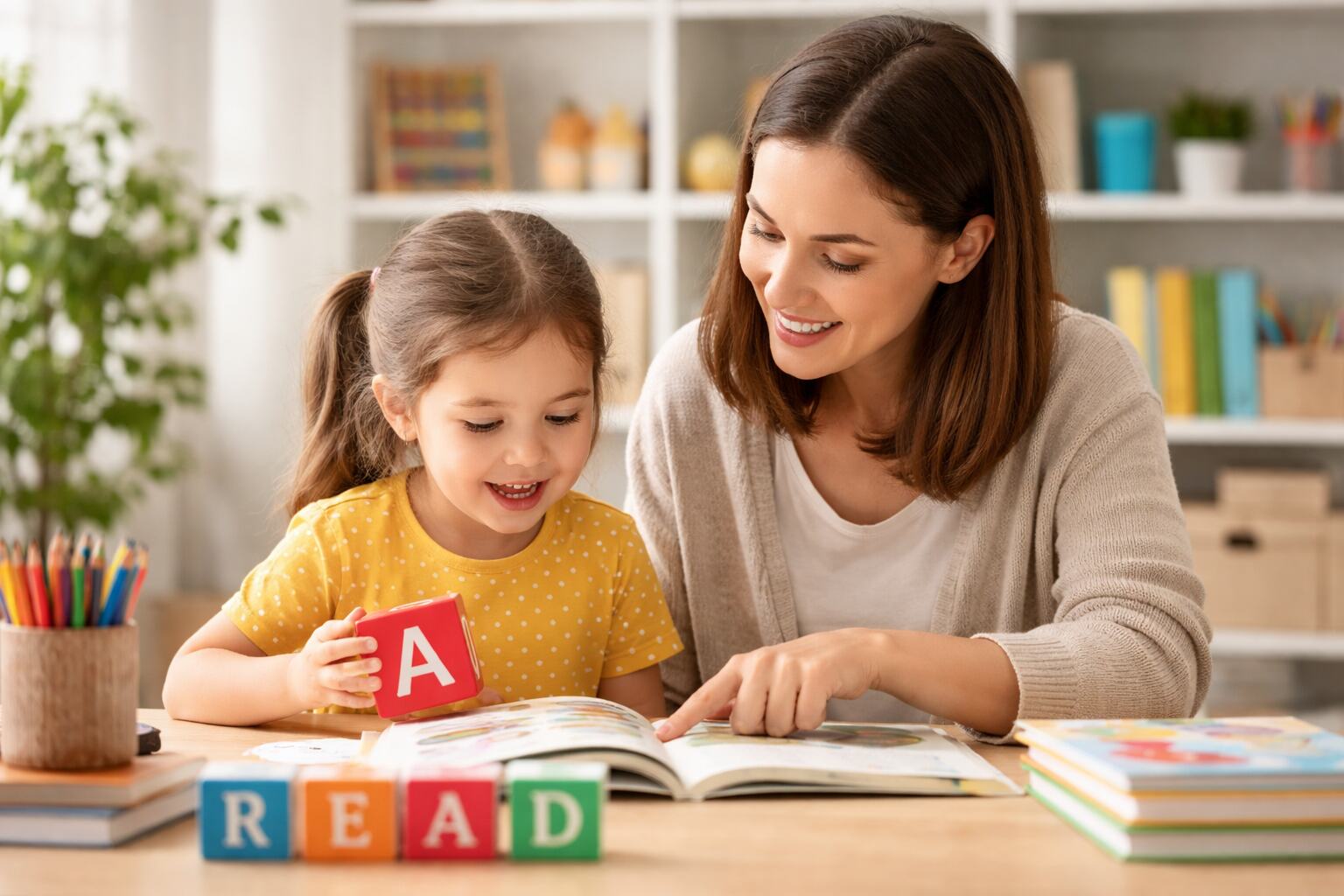
Developing strong foundational literacy skills is paramount for a child’s academic success. At the heart of this development lies phonics, the systematic understanding of how letters and letter combinations represent sounds. When introduced effectively, phonics empowers young learners to decode words, unlocking the gateway to reading and writing and fostering a lifelong love of learning. Early literacy encompasses a broad spectrum of skills, including phonological awareness, print awareness, vocabulary development, and comprehension. Phonics plays a crucial, connective role, bridging the gap between spoken and written language. By mastering the alphabetical principle – the understanding that print carries meaning and is related to speech sounds – children gain the ability to sound out unfamiliar words, a fundamental skill for independent reading. This journey begins with recognising individual sounds, blending them together to form words, and segmenting words into their constituent sounds. Engaging and varied activities in a robust phonics programme firmly establish these early literacy building blocks.
Phonics is essentially the code-breaking system of reading. It’s the understanding that the letters we see on a page represent the sounds we hear when we speak. This isn’t just about memorising letter names; it’s also about recognising the sounds each letter or group of letters makes. For instance, understanding that ‘c’ makes the /k/ sound in “cat” and the /s/ sound in “cent” is a key phonics concept. Early literacy, on the other hand, is a more holistic approach to preparing children for reading and writing. It encompasses a range of abilities that emerge before formal reading instruction. This capability includes phonological awareness, which is the ability to hear and manipulate the individual sounds within spoken words. Rhyming games, identifying beginning sounds, and clapping out syllables are all examples of phonological awareness activities. Print awareness is another crucial component, referring to a child’s understanding that print has a purpose and can be read. This includes recognising that words are read from left to right and top to bottom and that stories have a beginning, middle, and end. Vocabulary development, the process of acquiring new words and understanding their meanings, is also intrinsically linked to early literacy. A rich vocabulary allows children to better comprehend what they read and express themselves more effectively. Finally, comprehension, the ability to understand the meaning of written text, is the ultimate goal of reading. Phonics provides the foundational decoding skills that enable children to access the text, paving the way for deeper understanding.
The Importance of a Systematic Approach
A systematic approach to phonics instruction involves teaching letter-sound relationships in a logical, sequential order. This typically starts with common consonant sounds and short vowel sounds, progressing to more complex letter combinations, digraphs, trigraphs, and finally, silent letters and vowel teams. This structured method ensures that children build upon their knowledge incrementally, avoiding confusion and fostering a strong grasp of the alphabetic principle.
Phonological Awareness: The Sound Foundation
Before children can effectively decode written words, they need to be adept at hearing and manipulating the sounds in spoken language. ‘Phonological awareness’ is the umbrella term for this ability. Activities that involve rhyming, identifying initial and final sounds, blending separate sounds into words (e.g., /b/ /a/ /t/ = bat), and segmenting words into individual sounds are vital to developing this foundational skill.
The key to successful phonics instruction for young children is to make it enjoyable and engaging. When learning is framed as play, children are more motivated and receptive. This means moving beyond rote memorisation and incorporating activities that tap their natural curiosity and desire to explore. In order to transform phonics from a chore into an exciting adventure, it is crucial to incorporate hands-on experiences, multisensory approaches, and opportunities for active participation.
Multisensory Engagement for Deeper Understanding
Children learn in different ways, and engaging multiple senses can significantly enhance their understanding and retention of phonics concepts. This means incorporating activities that involve seeing, hearing, touching, and even moving. For example, tracing letter shapes in sand, moulding playdough into letters, or building letters with blocks appeals to tactile learners. Visual learners benefit from colourful flashcards, picture-matching games, and engaging stories. Auditory learners thrive on listening to the sounds of letters, singing phonics songs, and participating in read-alongs that emphasise sound patterns. Kinaesthetic learners, who learn best through movement, will benefit from acting out sounds, creating letter formations with their bodies, or engaging in “sound scavenger hunts” around the classroom or home. A balanced approach that incorporates all these sensory pathways ensures that every child has the opportunity to connect with the material in a meaningful way.
Play-Based Learning: The Power of Fun
Making phonics a game is one of the most effective ways to capture young children’s attention. Simple yet engaging games can transform abstract concepts into concrete, enjoyable experiences. Think about using magnetic letters to build CVC (consonant-vowel-consonant) words, incorporating a silly hat or voice when practicing a particular sound, or creating a “sound sorting” activity where children match objects to their initial sounds. The element of play reduces pressure and allows children to experiment with sounds and letter combinations freely, fostering a positive attitude toward reading and writing.
In today’s digital age, technology offers a powerful suite of tools to supplement and enhance phonics instruction. Interactive apps, educational websites, and digital games can provide personalised learning experiences, instant feedback, and a wealth of engaging content that caters to diverse learning styles. Technology can bring phonics to life in ways that traditional methods might not, offering dynamic visuals and engaging audio components.
Interactive Apps and Games for Personalized Practice
Many educational apps and online games aim to make phonics enjoyable and easily accessible. These platforms often provide adaptive learning, meaning they adjust the difficulty level based on the child’s progress, ensuring they are challenged but not overwhelmed. Many apps feature colourful graphics, animated characters, and rewarding sound effects, which can significantly boost engagement. They can offer targeted practice in areas such as letter recognition, sound isolation, blending, and segmenting, providing children with endless opportunities to reinforce their skills in a playful environment.
Digital Storytelling and Read-Alouds with a Phonics Focus
Technology can also be used to create immersive reading experiences that highlight phonics. Particularly beneficial are interactive e-books that animate letters and sounds when read aloud. Some platforms even allow children to record themselves reading, providing them with an opportunity to hear their pronunciation and fluency. Digital games that involve decoding words to unlock stories or build characters also serve as a powerful motivator, demonstrating the practical application of phonics skills in a meaningful context.
Children are naturally active, and integrating movement and music into phonics instruction taps into this innate energy, making learning more dynamic and memorable. Physical activity can cement phonics concepts in the brain, while music provides a catchy and enjoyable way to practice letter sounds and word patterns. This approach caters to kinaesthetic and auditory learners and makes the learning process feel less like instruction and more like joyful exploration.
Rhythm and Rhyme for Sound Recognition
Music is a natural vehicle for rhythm and rhyme, both of which are crucial components of phonological awareness. Singing phonics songs that focus on letter sounds, rhyming words, or word families can help children develop their ability to hear and manipulate sounds. Clapping out syllables in song lyrics or creating rhythmic chants for letter sounds also reinforces these auditory skills in an engaging way. The repetitive nature of songs makes complex phonics patterns easier to remember.
Acting Out Sounds and Words
Physical movement can make abstract phonics concepts tangible. Children can act out the sounds that letters make, such as making a “snake” sound for ‘s’ or a “buzzing” sound for ‘z’. They can also use their bodies to form letters or blend sounds together to create words. A “sound hopscotch”, where children hop to different letter sounds, or a “word walk”, where they move and say each sound in a word, can be incredibly effective. This kinaesthetic engagement helps solidify the connection between the visual representation of a letter and its corresponding sound.
Small group learning allows for more individual attention and fosters a sense of community and peer learning. When children work together in small groups, they can practice phonics skills in a supportive and interactive environment, learning from each other and developing their communication and collaboration abilities. This setting also provides opportunities for targeted intervention and enrichment.
Decoding Races and Word-Building Challenges
Setting up phonics games for small groups can inspire friendly competition and teamwork. Activities like “sight word bingo”, where children match spoken words to written ones, or “word ladders”, where they change one letter at a time to create new words, encourage collaborative problem-solving. Team-based decoding races promote shared effort and mutual support as groups work together to sound out a set of words.
Sound Sorting and Rhyming Pairs
In small groups, children can engage in activities like sorting picture cards by their initial or final sounds or matching rhyming word pairs. This collaborative approach allows them to discuss their reasoning, clarify misunderstandings, and reinforce their learning through peer interaction. Having children explain why two words rhyme or why a certain picture belongs with a particular sound can deepen their understanding and verbalise their phonics strategies.
Visual learners thrive when they can see the connections between letters, sounds, and words. Activities that use colourful graphics, charts, and visual aids are particularly effective for this group. By making the abstract concepts of phonics concrete and visually appealing, educators can help visual learners build a strong foundation.
Picture and Letter Matching Games
One of the most effective ways to engage visual learners is through matching activities. This can involve matching uppercase letters to lowercase letters, letters to their corresponding sounds, or pictures to words that begin with a specific sound. Using colourful flashcards, manipulative letter tiles with pictures on them, or creating visually appealing charts that display letter-sound correspondences can all be highly beneficial.
Creating Visual Word Walls and Anchor Charts
Visual learners benefit from having readily accessible visual references. Creating a word wall that displays high-frequency words, word families, or digraphs with accompanying pictures can serve as a constant reminder and learning tool. Anchor charts that illustrate specific phonics rules or sound patterns, complete with clear diagrams and examples, also provide valuable visual support. Children can even be encouraged to contribute to these charts, drawing pictures or writing words to represent phonics concepts.
- Letter Land Adventures: Using characters that represent each letter and its sound can create a visual narrative that makes learning memorable.
- “I Spy” with Sounds: Playing “I Spy”, where children have to find objects in the room that start with a specific sound or letter, helps them connect the visual world with phonics.
While phonics is primarily about decoding, its ultimate purpose is to unlock meaning. Therefore, it’s essential to integrate phonics instruction with activities that build vocabulary and enhance comprehension. By connecting the sounds and words to decode with meaningful contexts, we help them develop into confident and capable readers who can understand and engage with a wide range of texts.
Word Families and Sight Word Integration
Teaching word families, groups of words that share the same ending sound (e.g., cat, hat, bat), helps children see patterns and apply their decoding skills to a variety of words. Integrating sight words, those commonly encountered words that don’t always follow phonetic rules (e.g., the, was, said), alongside phonics instruction is also crucial. By learning to recognise these words instantly, children can focus their energy on decoding unfamiliar words. This dual approach ensures fluency and comprehension.
Story-Based Phonics Exploration
Using engaging stories as a vehicle for phonics practice is highly effective. After reading a story, educators can highlight specific words that contain target phonics patterns, asking children to identify them, sound them out, or even find other words in the story with similar patterns. This contextualises phonics learning and demonstrates its relevance to understanding narrative.
- “Word Detective” Activities: Encourage children to become “word detectives”, searching for specific letter combinations or sound patterns within a book.
- Creating New Story Endings: After reading a story, prompt children to create alternative endings using words that incorporate the phonics skills they have been learning.
The most impactful phonics learning occurs when it is consistently integrated into a child’s everyday reading and writing experiences. When phonics is not confined to isolated lessons but woven into the fabric of daily routines, children begin to see its practical application and develop a more natural mastery of these essential skills. This creates a learning environment where phonics is not just taught but lived.
Shared Reading and Interactive Read-Alouds
During shared reading sessions, educators can point out letters and sounds, model blending, and encourage children to participate in decoding predictable text. Interactive read-alouds provide opportunities to pause and discuss word meanings, explore rhyming patterns within the text, and ask children to identify words that start with a particular sound. This constant exposure to print in a meaningful context reinforces phonics principles.
Creating and Writing Stories Together
When children engage in writing activities, whether it’s drawing a picture and dictating a story or attempting to write their words, they are actively using their phonics knowledge. It is a powerful form of practice to encourage them to sound out words as they write, even if they make approximations. Scaffolding their writing by providing letter tiles or having them refer to a word wall can further support their efforts and build confidence.
- “Morning Message” Activities: Writing a daily “morning message” together, involving children in sounding out words as they are written, provides consistent phonics practice.
- Labelling Drawings and Objects: Having children label their drawings or objects around the house or classroom reinforces letter-sound correspondence in a practical way.
Recognising and addressing the diverse needs of learners is crucial for effective phonics instruction. By offering a variety of activities, educators can ensure that all children, regardless of their learning style or ability, have the opportunity to develop strong phonics skills. This inclusive approach fosters a positive learning environment where every child feels supported and successful.
Adapting Activities for Diverse Needs
For children who are struggling with specific phonics concepts, providing more concrete manipulatives, breaking down tasks into smaller steps, and offering increased one-on-one support can be highly beneficial. For advanced learners, appropriate challenges can come from introducing more complex phonics patterns, encouraging them to apply their skills in creative writing projects, or engaging them in peer tutoring. The key is to be flexible and responsive to individual progress.
Differentiated Instruction and Scaffolding
Differentiated instruction involves tailoring teaching methods and activities to meet the specific needs of individual learners. This might mean providing different levels of support, offering alternative ways for children to demonstrate their understanding, or providing pre-teaching of concepts for those who need extra preparation. Scaffolding involves providing temporary support structures that are gradually removed as the child becomes more proficient. This could include providing sentence frames for writing, offering word banks, or modelling the decoding process explicitly.
- Visual Aids for All: Ensuring that all activities, regardless of the primary learning style they address, have strong visual components can benefit all learners.
- Flexible Grouping: Utilising flexible grouping strategies allows children to work with peers who have similar needs or abilities or to collaborate with those who can offer support and enrichment.
Creating an environment where phonics is consistently present and naturally integrated is a powerful way to support early literacy development. This involves a conscious effort to surround children with language, print, and opportunities to explore the sounds and symbols of reading and writing. A phonics-rich environment makes learning feel organic and purposeful.
Make Print Visible and Accessible
Ensure that books, letters, and words are readily available and visible in the learning space. Having a variety of age-appropriate books accessible, displaying alphabet charts, and labelling objects around the room with their names can all contribute to a print-rich environment. Encourage children to interact with these materials and ask questions about the letters and words they encounter.
Engage in Regular Reading and Conversation
Reading aloud to children daily, even for short periods, is one of the most effective ways to foster a love of reading and build essential literacy skills. Engaging in conversations about the stories, asking open-ended questions, and pointing out interesting words or letter patterns can further enhance the experience. Similarly, engaging in rich conversations throughout the day, using varied vocabulary and encouraging children to express themselves builds their oral language skills, which are foundational for literacy.
- A “Word of the Week” Focus: Introduce a new “word of the week” that incorporates a specific phonics pattern, displaying it prominently and encouraging its use throughout conversations and writing activities.
- Letter Hunts: Regularly organise “letter hunts” where children search for specific letters in books, on signs, or around the house, reinforcing their knowledge of the alphabet and its sounds.