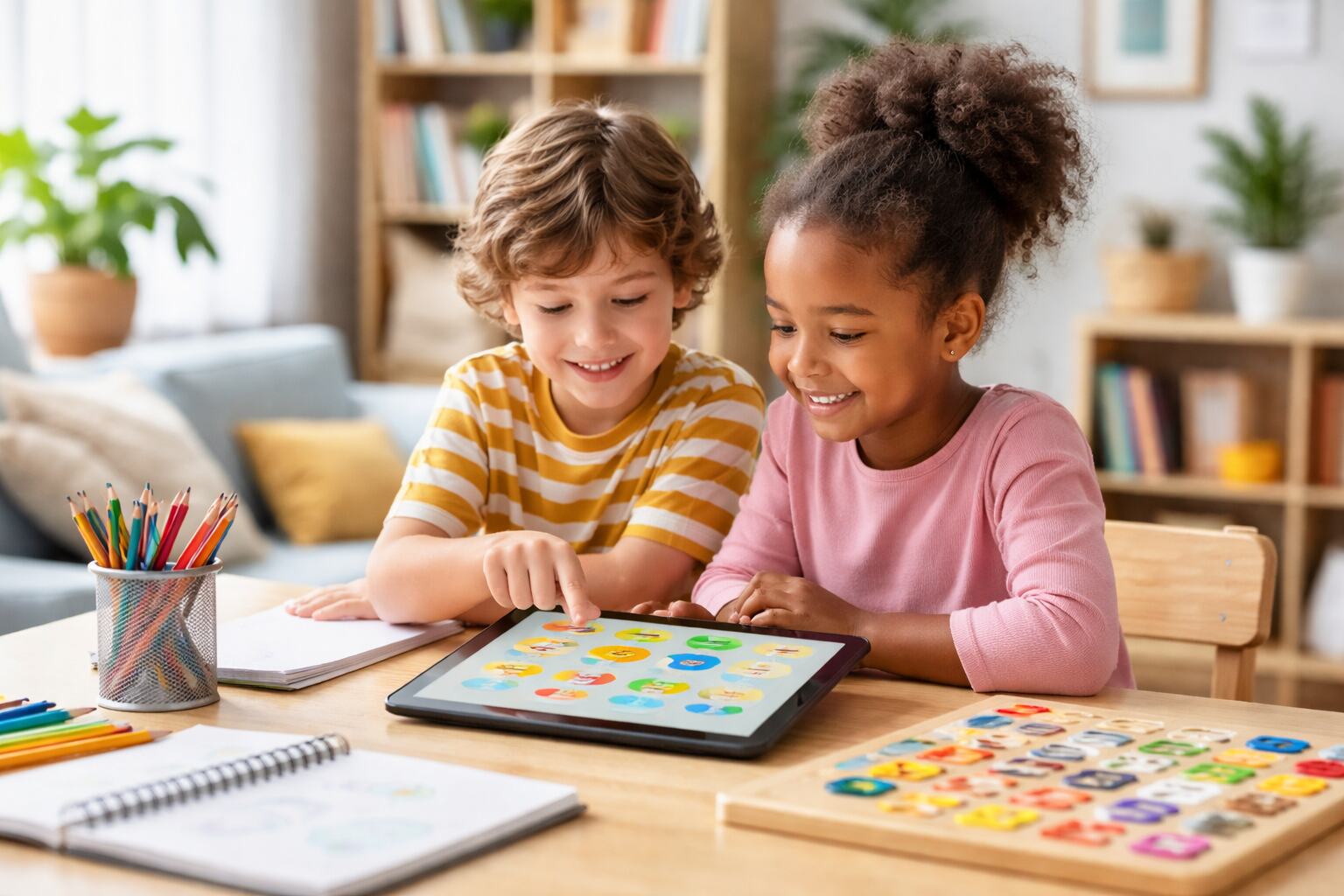

Interactive learning is no longer a fringe concept but a foundational pillar of modern pedagogy, drastically reshaping how students acquire knowledge and develop critical skills. The days of rote memorisation and passive reception are steadily giving way to dynamic, engaging experiences that captivate learners and foster a genuine love of discovery. This paradigm shift, often fuelled by technological advancements, has proven instrumental in boosting academic success, improving retention, and preparing students for the complexities of the 21st century. The core principle lies in making education palatable, enjoyable, and, crucially, effective.

Gamification, at its heart, is the strategic application of game-design elements and game principles in non-game contexts. In education, this translates to turning learning into an exciting challenge rather than a tedious chore. By leveraging elements like points, badges, leaderboards, levels, and narrative-driven quests, educators can tap into intrinsic motivators that encourage sustained engagement and effort.
How Gamification Boosts Motivation
Students often struggle with motivation in traditional classroom settings, particularly when they perceive topics as dry or difficult. Gamification injects an element of playfulness and competition, transforming abstract concepts into tangible goals. The allure of earning a badge, seeing one’s name climb a leaderboard, or unlocking new content provides immediate feedback and a sense of accomplishment, which is vital for maintaining enthusiasm. This intrinsic drive is far more potent than externally imposed pressure, leading to more profound and lasting learning outcomes.
Practical Applications in the Classroom
From elementary school to higher education, gamification can be seamlessly integrated. A science lesson might involve students “solving a mystery” using scientific principles, earning “investigator badges” for each correct deduction. Language learning apps often employ point systems and competitive challenges to encourage vocabulary acquisition and grammatical accuracy. Even complex subjects like calculus can be presented as a series of levels to conquer, with each “level-up” signifying mastery of a new concept. The key is to design activities that are not merely superficial but genuinely reinforce the learning objectives while keeping students engrossed.
The Role of Narrative and Storytelling
Humans are inherently drawn to stories. Gamified learning environments often weave educational content into compelling narratives, making the learning journey feel like an epic quest. Students aren’t just memorising historical dates; they are time travellers trying to prevent a historical anomaly. They aren’t just solving math problems; they are engineers designing a crucial bridge. This narrative immersion transforms the passive consumption of information into active participation in an unfolding drama, deeply embedding the knowledge within a memorable context.
The digital landscape offers a plethora of platforms specifically designed to foster interactive learning, catering to diverse age groups and subject matters. These tools are revolutionising classrooms worldwide by breaking down geographical barriers and personalising educational experiences.
Comprehensive Learning Environments
Platforms like Kahoot!, Nearpod, and ClassDojo are exemplary in their ability to create highly interactive learning environments. Kahoot! uses quiz-based games that allow students to compete in real time, providing immediate feedback and fostering a lively classroom atmosphere. Nearpod integrates interactive elements such as virtual reality field trips, collaborative boards, and polls directly into lesson plans, allowing educators to gauge understanding and encourage active participation seamlessly. ClassDojo, primarily a classroom management tool, also incorporates gamified elements to encourage positive behaviour and build a supportive community within the classroom, indirectly impacting learning engagement.
Specialized Subject-Specific Tools
Beyond general platforms, numerous tools cater to specific academic disciplines. Duolingo, for instance, has revolutionised language learning with gamified lessons, streaks, and competitive features that motivate millions globally. Codecademy makes learning to code accessible and engaging through interactive exercises and immediate feedback. Chegg and Khan Academy offer extensive resources, including video tutorials, practice problems, and personalised learning paths. They often incorporate progress tracking and mastery challenges that mirror game mechanics. These specialised platforms demonstrate how focused interactive design can lead to deep mastery in certain fields.
Collaborative and Creative Spaces
Tools like Padlet and Google Jamboard facilitate collaborative learning, allowing students to brainstorm, share ideas, and create projects together in a dynamic, visual format. These platforms move beyond individual learning, fostering an environment where students can learn from peer interactions, constructive criticism, and collective problem-solving. Traditional didactic approaches often overlook the crucial role of this kind of interaction in developing 21st-century skills like teamwork, communication, and critical thinking.
Creating an interactive learning environment requires more than simply deploying a few applications. It demands a thoughtful pedagogical approach that integrates technology strategically and focuses on student-centred learning.
Integrating Technology Seamlessly
Technology should be a tool that augments learning, not a distraction. Educators need to select platforms and tools that align with their learning objectives and integrate them smoothly into their lesson plans. This means familiarising yourself with the chosen technology, providing clear instructions to students, and having contingency plans for technical glitches. The goal is to make the technology feel like a natural extension of the learning process, not an added burden.
Fostering Active Participation
The essence of interactive learning lies in active participation. Educators must design activities that compel students to do more than just passively absorb information. This can involve asking probing questions, initiating group discussions, setting up collaborative projects, or using interactive simulations. The more students actively engage with the material, the deeper their understanding and retention will be. Encouraging questions, debates, and independent exploration are vital components of this active learning strategy.
Providing Constructive Feedback
Immediate and meaningful feedback is a cornerstone of effective interactive learning. Gamified platforms excel at this, often providing instant corrections and explanations. In a broader interactive environment, educators should strive to offer timely, specific, and actionable feedback that helps students understand their errors and improve their performance. This feedback loop is crucial for reinforcing correct understanding and guiding students toward mastery without demotivating them.
The benefits of using interactive learning methods go far beyond just keeping students interested; they affect every part of a student’s education and readiness for the future.
Enhanced Student Motivation
As previously discussed, interactive learning, particularly through gamification, significantly boosts student motivation. The element of play, challenge, and reward transforms learning from a perceived chore into an enjoyable activity. This intrinsic motivation leads to increased effort, persistence, and a greater willingness to tackle difficult subjects. Motivated students are more likely to independently seek knowledge and take ownership of their learning.
Improved Information Retention
Active engagement with learning materials leads to superior information retention compared to passive methods. When students interact with content—whether by solving problems, participating in discussions, or creating their own projects—they process the information more deeply. This active processing strengthens neural connections, making it easier to recall and apply knowledge later. The multisensory experiences offered by many interactive tools also contribute to a more robust memory encoding.
Development of 21st-Century Skills
Interactive learning environments are ideal incubators for developing critical 21st-century skills. Collaborative platforms nurture teamwork and communication. Problem-solving simulations hone critical thinking and analytical abilities. Creative projects encourage innovation and self-expression. Furthermore, navigating digital tools and online resources builds digital literacy, a fundamental skill in today’s technologically driven world. These are not merely academic skills but essential competencies for success in higher education and the professional landscape.
Personalized Learning Experiences
Many interactive platforms leverage data and adaptive technologies to offer customised learning paths. This means content can be tailored to an individual student’s pace, learning style, and areas of challenge. A student struggling with a particular concept can receive additional practice and targeted support, while an advanced learner can be challenged with more complex material. This personalisation ensures that every student receives the optimal level of challenge and support, maximising their potential for academic growth.
The landscape of education is constantly evolving, and interactive learning is poised to remain at the forefront of this transformation. As technology becomes more sophisticated and accessible, the possibilities for creating immersive, engaging, and highly effective learning experiences will only expand.
Emerging Technologies and Accessibility
Augmented Reality (AR) and Virtual Reality (VR) are already beginning to make significant inroads into education, offering incredibly immersive interactive experiences. Imagine dissecting a virtual frog without harming an animal or exploring ancient Rome as if you were truly there. These technologies will further revolutionise the teaching and understanding of complex concepts as they become more affordable and user-friendly. Artificial intelligence (AI) also plays a crucial role in enhancing personalisation, providing intelligent tutoring systems, and automating feedback processes, freeing up educators to focus on high-level instructional design and student support.
The Role of Educators in a Digital Age
While technology empowers interactive learning, the human element—the educator—remains indispensable. Educators in this new landscape serve as facilitators, mentors, and designers of learning experiences. Their role is to thoughtfully integrate technology, create compelling interactive activities, foster a positive learning environment, and guide students through their educational journeys. The emphasis shifts from being a fount of information to being a catalyst for discovery and an architect of engagement.
Lifelong Learning and Adaptability
Formal schooling is not the only setting for interactive learning platforms and methodologies. They promote a mindset of continuous learning and adaptability, crucial traits in a rapidly changing world. By making learning enjoyable and accessible, these approaches encourage individuals to constantly acquire new skills, explore new interests, and remain intellectually curious throughout their lives. The future of education is inherently interactive, preparing learners not just for a static set of facts but for a dynamic world that demands ongoing growth and engagement.