Play is not merely a frivolous pastime for children; it is the very bedrock of their development, a powerful force that shapes their cognitive, social, emotional, and physical well-being. In the bustling landscape of early childhood, where every interaction and exploration contributes to a rapidly forming worldview, play serves as the most potent educational tool. It is through the uninhibited exploration and joyful engagement inherent in play that young minds truly begin to blossom, laying the foundation for lifelong learning, innovation, and resilience.
The Indispensable Role of Play in Early Childhood Development
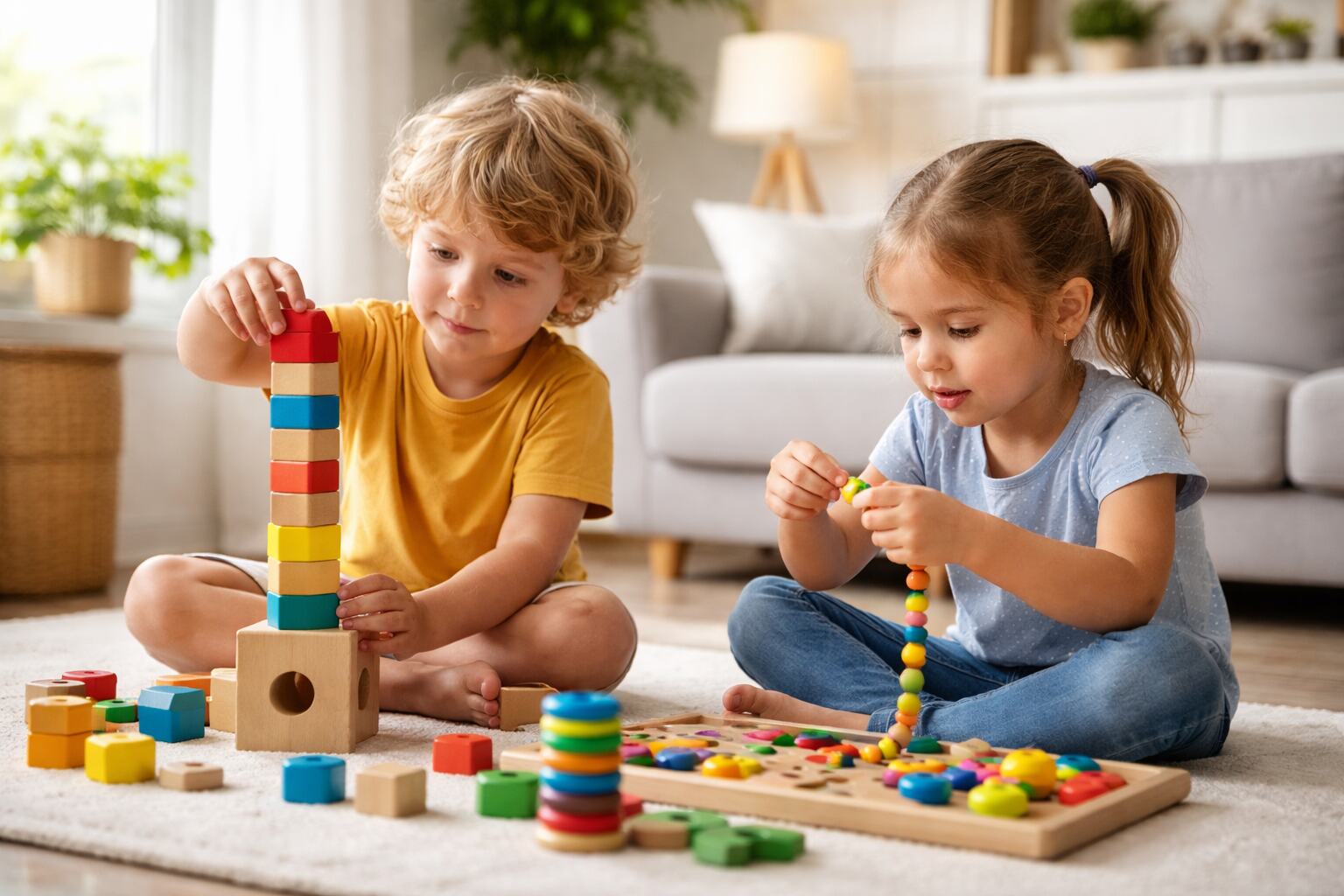
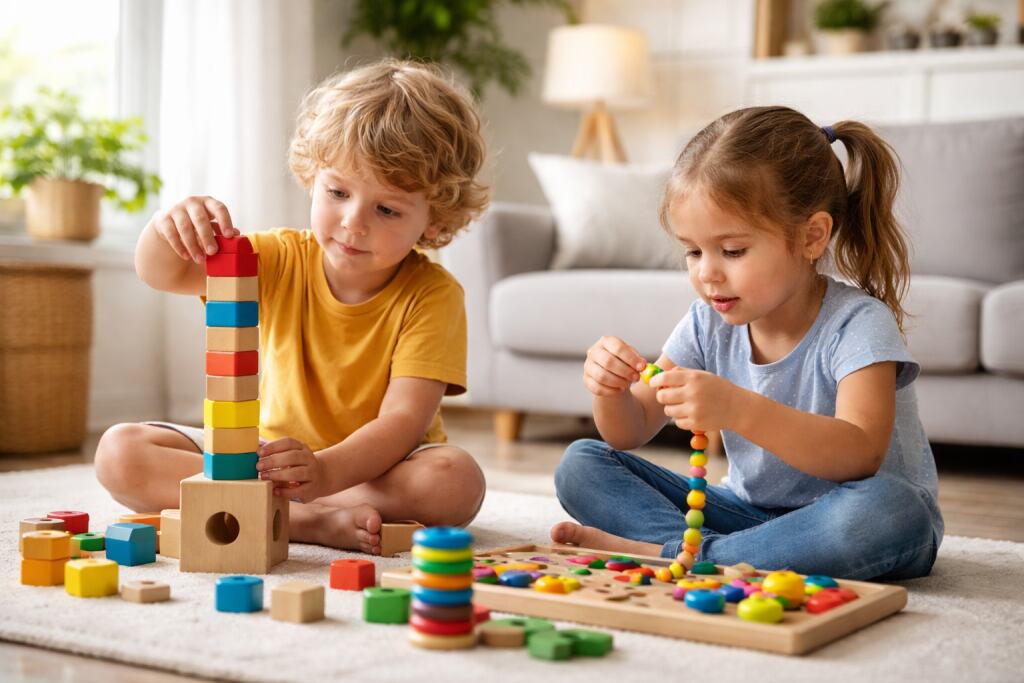
From the earliest stages of life, play is the primary mode through which children learn about themselves and the world around them. It is an intrinsic drive, a natural inclination that fuels curiosity and a desire to understand. When a baby grasps a soft toy, a toddler stacks blocks, or a young child engages in imaginative storytelling, they are not just entertaining themselves; they are actively building crucial neural pathways, developing fine and gross motor skills, and acquiring a fundamental understanding of cause and effect.
Building Blocks of Cognitive Growth Through Play
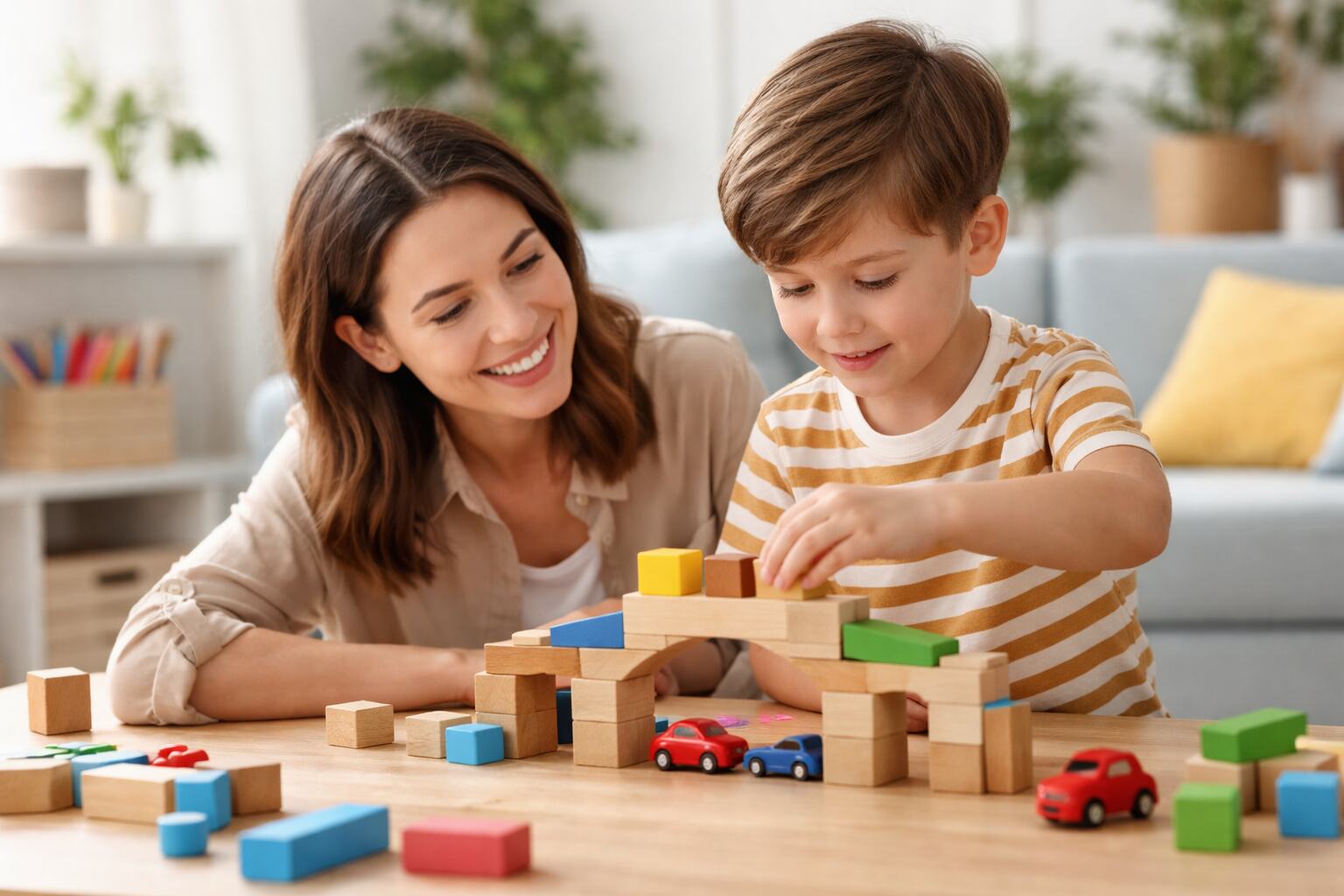
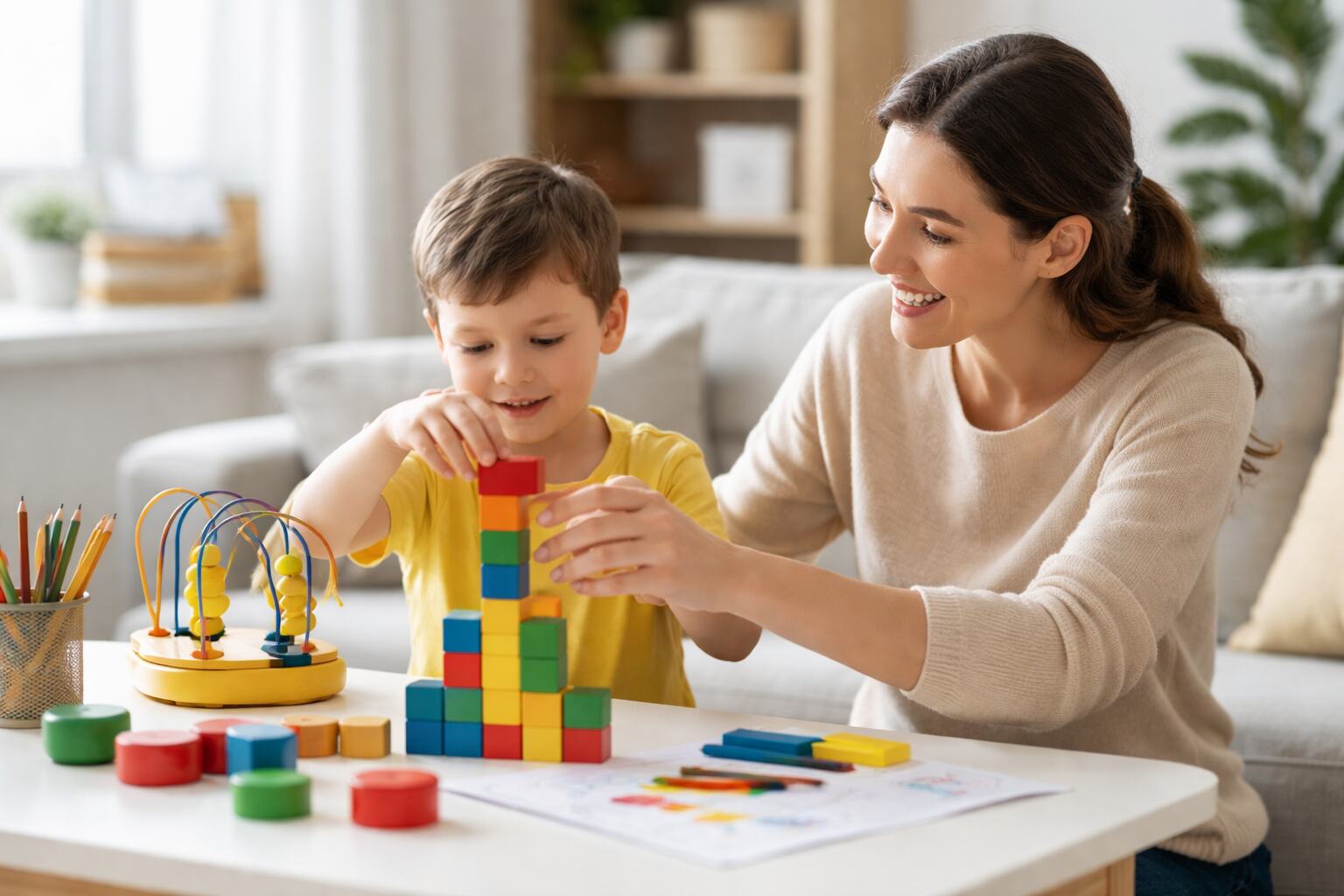
The cognitive benefits of play are profound and multifaceted. Through playful experimentation, children develop their capacity for logical reasoning and critical thinking. A child engages in a complex problem-solving exercise when they attempt to build an elaborate tower. They learn to anticipate structural challenges, adapt their strategies when things don’t go as planned, and persevere through setbacks. This iterative process of trial and error, inherent in most forms of play, is far more effective at fostering genuine understanding than rote memorisation or passive instruction. The ability to abstract, to represent objects and ideas symbolically, is also significantly honed through imaginative play. A cardboard box can transform into a spaceship, a fort, or a race car, demonstrating a child’s burgeoning ability to use mental representations, a crucial precursor to literacy and complex mathematical reasoning.
The Foundation of Social and Emotional Intelligence
Beyond cognitive gains, play is an unparalleled arena for the development of social and emotional intelligence. In the shared space of play, children learn to negotiate, share, empathise, and understand others’ perspectives. Cooperative games require an understanding of rules, turn-taking, and the importance of working together to achieve a common goal. Children often learn conflict resolution skills on the playground, where they navigate disagreements and learn to compromise. Furthermore, play provides a safe outlet for children to process their emotions, to act out anxieties, and to explore different roles and identities. Through dramatic play, a child might embody a brave knight, a nurturing doctor, or a mischievous pirate, learning valuable lessons about human behaviour and developing their own sense of self.
How Play Ignites Creativity and Imagination
Perhaps the most celebrated outcome of dedicated play is the cultivation of creativity and imagination. Children unleash their imaginative faculties when they are free to explore, experiment, and construct their own realities. Unstructured play, in particular, provides the fertile ground for these essential skills to flourish. Without the constraints of predetermined outcomes or rigid adult direction, children are empowered to invent, to innovate, and to envision possibilities beyond the ordinary.
The Genesis of Novel Ideas Through Imaginative Exploration
The act of imaginative play involves children creating narratives, devising scenarios, and populating their imaginary worlds with characters and events. This process is not simply about making things up; it is about synthesising existing knowledge, connecting disparate ideas, and generating novel concepts. Early imaginative experiences deeply root the ability to think outside the box, approach problems from unconventional angles, and generate a multitude of solutions. When a child improvises a song, crafts a story from disparate toys, or choreographs a dance, they are engaging in acts of creation that build the neural scaffolding for future innovation.
The Role of Play in Fostering Innovation and Critical Thinking
A significant aspect of play is its inherent capacity to foster innovation and critical thinking. Children are natural scientists, constantly questioning, hypothesising, and testing their theories through play. They observe how objects behave, how forces interact, and how systems work, even if they don’t articulate these processes in formal scientific terms. This playful experimentation encourages them to think critically about their observations, analyse the outcomes of their actions, and refine their understanding. Moreover, the iterative nature of play, where children can revisit, revise, and rebuild their creations, fosters a mindset of continuous improvement and a willingness to embrace challenges as opportunities for growth. They learn that failure is not the end but a stepping stone to a more successful outcome, a critical lesson for any aspiring innovator.
The Multifaceted Benefits of Unstructured Playtime
Unstructured playtime offers profound benefits in an era often dominated by structured activities and screen time. Unstructured play, characterised by its spontaneity, freedom, and child-led nature, is where many crucial developmental milestones are achieved. It is the antidote to over-scheduling and a vital ingredient for a well-rounded childhood.
The Freedom to Explore and Discover
The essence of unstructured play lies in its inherent freedom. Children are given the autonomy to choose their activities, to set their own goals, and to direct their play experiences. This freedom allows them to explore their interests at their pace, to delve deeply into subjects that fascinate them, and to make independent discoveries. Whether it’s building a fort in the woods, digging in the dirt, or engaging in imaginative role-playing with siblings and friends, unstructured play provides an environment where children can learn through direct experience, which promotes autonomy and self-reliance.
Developing Resilience and Self-Regulation Through Open-Ended Play
Unstructured play also plays a crucial role in developing resilience and self-regulation. When children are unsupervised, they face challenges that necessitate problem-solving, frustration management, and perseverance. They learn to negotiate with peers, to adapt to changing circumstances, and to manage their impulses. This ability to self-regulate, to bounce back from disappointment, and to manage emotional responses is a vital life skill cultivated through the natural ebb and flow of open-ended play. The absence of external pressure allows children to take risks, to experiment with boundaries, and to learn from the consequences of their actions in a safe and supportive environment.
The Impact of Play on Social and Emotional Development
Children forge essential social and emotional connections in vibrant landscapes such as the playground, the living room floor, or even an imaginary world constructed from blankets and pillows. Play is the natural language of childhood, and through it, young minds learn the intricate dance of human interaction.
Building Bridges of Empathy and Understanding
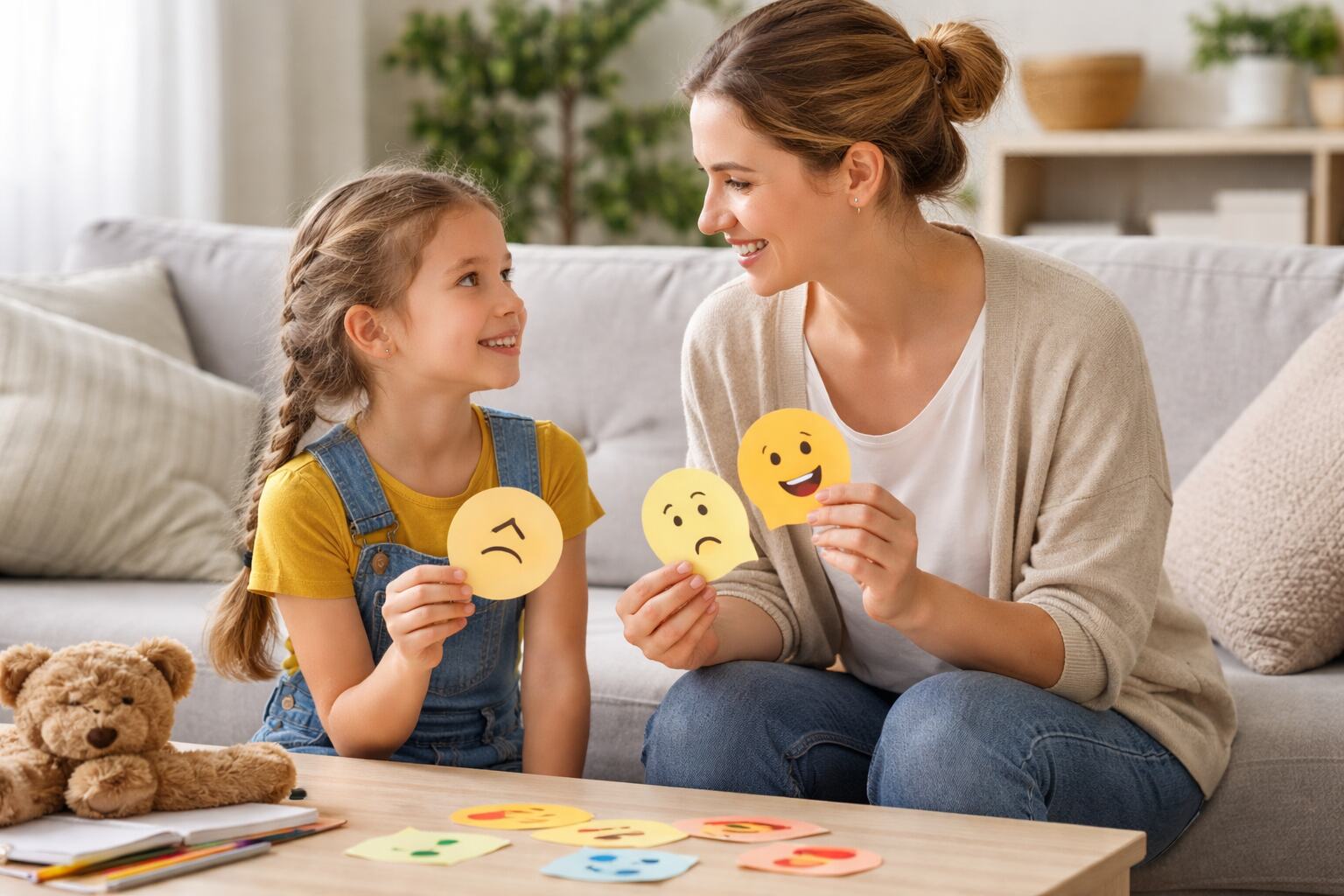
Through collaborative play, children begin to develop empathy and a deeper understanding of others’ feelings. When a child shares a toy, comforts a friend who is upset, or takes on a nurturing role in a dramatic play, they are actively practicing and internalising prosocial behaviours. They learn to read social cues, understand different perspectives, and recognise the impacts of their actions on others. This ability to connect with and understand the emotional states of those around them is fundamental to forming healthy relationships and navigating complex social situations throughout their lives.
The Sandbox of Self-Esteem and Confidence
Successful play experiences, whether solo or collaborative, contribute significantly to a child’s self-esteem and confidence. When children achieve their play goals, master new skills, or successfully navigate a social interaction, they experience a sense of accomplishment. This reinforcement of competence builds a positive self-image and encourages them to take on new challenges. The freedom to express themselves freely through play, without fear of judgement, further bolsters their confidence and allows them to explore their unique personalities and talents.
Incorporating Play into Educational Frameworks and Home Environments
Recognising the profound impact of play, educators and parents are increasingly seeking ways to integrate playful learning into formal education and daily life. This shift acknowledges that learning does not solely occur within the confines of traditional academic settings and that a playful approach can unlock deeper engagement and more meaningful understanding.
Play-Based Learning: A Pedagogical Revolution
The model of play-based learning reorients educational philosophy from a teacher-centric approach to a child-centric one. Instead of passively receiving information, children are actively engaged in hands-on, inquiry-driven activities that foster critical thinking, problem-solving, and creativity. Lessons are often woven into imaginative play scenarios, or children are given opportunities to explore concepts through building, art, dramatic reenactments, and scientific experimentation. This approach not only makes learning more enjoyable but also more effective, as children develop a deeper and more lasting understanding of the material.
Supporting Playful Learning at Home and in the Classroom
Creating an environment that supports playful learning involves providing children with a rich array of open-ended materials and ample time for exploration. In the classroom, this might include building blocks, art supplies, dramatic play props, and opportunities for outdoor exploration. At home, it means prioritising playtime, offering simple yet versatile toys, and encouraging children to engage in imaginative activities rather than solely passive forms of entertainment. It also involves a shift in adult perspective, moving from the role of director to that of facilitator and observer, stepping in to offer support and ask guiding questions rather than dictating the course of play. The long-term effects of such an environment are profound, nurturing lifelong learners who are curious, adaptable, and equipped with the skills to thrive in an ever-changing world. The power of play is not a fleeting childhood phenomenon; it is a fundamental investment in the future cognitive, social, and emotional well-being of every child.