
The Best Learning Videos to Keep Your Preschooler Entertained and Educated
A world of vibrant colours, catchy tunes, and engaging characters awaits your preschooler, offering a powerful avenue for both entertainment and education: learning videos. In an age where digital media is ubiquitous, thoughtfully chosen videos can transform screen time from a passive activity into a dynamic learning experience, shaping young minds and fostering crucial developmental skills.
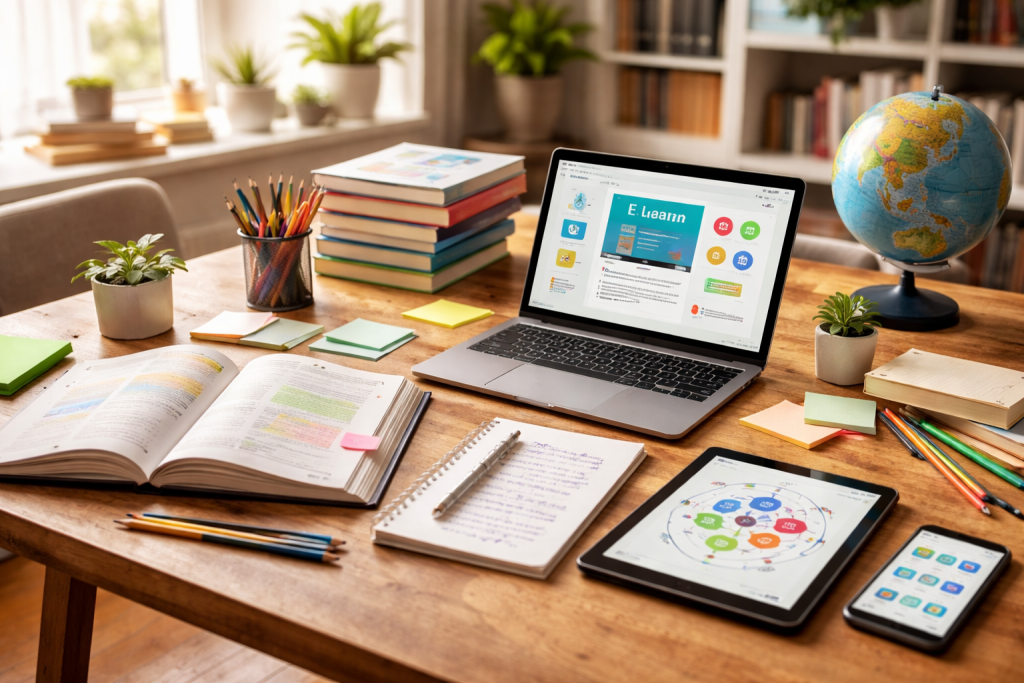
For preschoolers, learning videos are more than just a momentary distraction; they are a gateway to fundamental cognitive, linguistic, and social-emotional development. The carefully crafted narratives and visual stimuli within these videos can deliver complex concepts in an easily digestible, appealing format.
Contents
- 1 Fostering Cognitive Development
- 2 Enhancing Language and Literacy Skills
- 3 Supporting Social and Emotional Growth
- 4 Understanding Developmental Stages
- 5 Prioritizing Engaging and Interactive Content
- 6 Sesame Street and Its Legacy
- 7 Curiosity with Blippi
- 8 The Educational Fun of Cocomelon
- 9 The Problem-Solving Adventures of Daniel Tiger’s Neighborhood
- 10 Numberblocks and Alphablocks for Foundational Skills
- 11 Establishing Clear Boundaries and Routines
- 12 Co-Viewing and Active Discussion
- 13 Extending Learning Beyond the Screen
- 14 American Academy of Pediatrics Recommendations
- 15 Prioritizing Real-World Experiences
- 16 Criteria for High-Quality Content
- 17 Reading Reviews and Seeking Recommendations
Fostering Cognitive Development
Learning videos offer a unique opportunity to boost a preschooler’s cognitive abilities. They often introduce concepts like numbers, shapes, and colours through repetition and engaging visuals, aiding in early mathematical understanding and pattern recognition. Problem-solving skills are also nurtured as characters in these videos navigate challenges, often demonstrating strategies that children can then emulate in their play. Furthermore, the cause-and-effect relationships depicted can help preschoolers understand logical sequencing and develop critical thinking.
Enhancing Language and Literacy Skills
One of the most significant advantages of learning videos is their profound impact on language and literacy development. Many videos feature clear, enunciated speech, exposing children to a wide vocabulary in context. Songs and rhymes within these videos introduce phonological awareness, a crucial precursor to reading. Storytelling elements encourage narrative comprehension and can spark an early love for books. By observing characters communicate, preschoolers also learn about social cues, turn-taking in conversations, and the nuances of expression.
Supporting Social and Emotional Growth
Beyond academics, learning videos can play a vital role in a preschooler’s social and emotional growth. Videos that showcase positive social interactions, such as sharing, cooperation, and empathy, provide valuable models for children. They can help children understand and label their emotions, as characters often express feelings in relatable ways. Furthermore, watching a character overcome difficulty can instill resilience and a sense of “I can do it” in young viewers.
With the sheer volume of content available, selecting the right learning videos for your preschooler can feel overwhelming. The key lies in understanding what constitutes age-appropriateness and educational value.
Understanding Developmental Stages
Preschoolers have specific developmental needs and attention spans. Videos designed for this age group typically feature concise segments, clear and simple language, and a consistent pace. Look for content that aligns with their current cognitive and emotional capabilities, avoiding overly complex plots or concepts that might lead to frustration rather than engagement. Characters should be relatable, and situations should be easy to understand.
Prioritizing Engaging and Interactive Content
The distinction between passive viewing and active engagement is crucial. The best learning videos encourage participation, whether through asking questions, prompting physical movements, or inviting children to sing along. Interactive elements, even if not directly screen-based, can significantly enhance learning. Think about videos that encourage children to count along, identify objects, or repeat phrases. This active participation transforms the viewing experience into a more profound learning opportunity.
While individual preferences vary, certain learning videos consistently stand out for their educational merit and child appeal. These often combine compelling storylines with a clear learning objective, all wrapped in visually stimulating animation.
Sesame Street and Its Legacy
Sesame Street, a cornerstone of educational programming, continues to set the standard. Its diverse cast of characters, engaging songs, and focus on foundational skills like letters, numbers, and social-emotional concepts have made it a beloved and effective learning tool for generations. Its commitment to research-backed educational content is unparalleled.
Curiosity with Blippi
Blippi offers a unique approach by combining live-action exploration with educational content. His energetic persona and trips to exciting locations like fire stations and children’s museums make learning about the real world accessible and enjoyable. He often models curiosity and critical thinking, encouraging preschoolers to ask questions and discover new things.
The Educational Fun of Cocomelon
Known for its vibrant animation and catchy nursery rhymes, Cocomelon has captivated millions of preschoolers. While sometimes criticised for its fast pace, its focus on classic children’s songs helps with language acquisition, rhythm, and early literacy skills. Many of its videos incorporate lessons on manners, positive habits, and family values.
The Problem-Solving Adventures of Daniel Tiger’s Neighborhood
A spinoff of Mister Rogers’ Neighbourhood, Daniel Tiger’s Neighbourhood expertly tackles social and emotional learning. Through songs and gentle storytelling, Daniel learns to navigate feelings, share, and solve everyday problems, providing young viewers with tangible strategies for handling their emotions and interactions. Its “strategy songs” are particularly effective tools for parents and children.
Numberblocks and Alphablocks for Foundational Skills
For specific academic skills, Numberblocks and Alphablocks are invaluable. Numberblocks visually represents mathematical concepts, making counting, addition, and subtraction incredibly intuitive and fun. Alphablocks brings letters to life, demonstrating phonics in an entertaining and memorable way, laying a strong foundation for reading.
Integrating learning videos effectively into a preschooler’s day requires mindful planning and adherence to healthy screen time practices. The goal is to leverage their educational power without over-relying on digital media.
Establishing Clear Boundaries and Routines
Consistency is key. Designate specific, limited times for educational video viewing. This could be a short segment in the morning, during quiet time, or as a wind-down activity before bed. Having a schedule helps children understand expectations and prevents constant requests for screen time. Consider using a visual timer to reinforce these boundaries.
Co-Viewing and Active Discussion
The greatest benefits from learning videos often come when parents or carers watch alongside their preschoolers. This “co-viewing” allows for active discussion, answering questions, and reinforcing concepts. Ask open-ended questions like, “What do you think will happen next?” or “Why do you think Daniel felt that way?” This technique transforms passive viewing into an interactive learning experience.
Extending Learning Beyond the Screen
The learning doesn’t have to stop when the video ends. Use the themes and concepts from the videos as springboards for further exploration. If a video was about farm animals, engage in a related craft project, read a book about farms, or visit a local petting zoo. This reinforces learning and connects digital content to the real world.
While learning videos offer immense benefits, it’s crucial to adhere to expert guidelines regarding screen time for preschoolers. Moderation and thoughtful selection are paramount for healthy development.
American Academy of Pediatrics Recommendations
The American Academy of Paediatrics (AAP) recommends limiting screen media use for children aged 2–5 years to 1 hour per day of high-quality programming, preferably viewed with a carer. They emphasise the importance of non-screen activities, like play, reading, and social interaction, for healthy development. This guideline serves as a valuable framework for families.
Prioritizing Real-World Experiences
Learning videos should complement, not replace, real-world experiences. Unstructured play, outdoor exploration, hands-on activities, and direct social interactions are essential for a preschooler’s holistic development. These experiences build crucial motor skills, foster creativity, and develop complex social-emotional intelligence in ways screens cannot replicate.
Not all learning videos are created equal. Distinguishing between truly educational content and mere entertainment is essential for maximising the benefits and minimising potential drawbacks.
Criteria for High-Quality Content
When evaluating a learning video, consider several factors: Is the content age-appropriate and developmentally suitable? Does it have clear educational goals? Is the pacing suitable, avoiding overly rapid transitions or overwhelming stimuli? Are the characters positive role models? Is the language clear and enriching? Does it encourage active participation or critical thinking? Videos that meet these criteria offer genuine educational value.
Reading Reviews and Seeking Recommendations
Leveraging the experiences of other parents and educators can be an invaluable tool. Look for reviews from reputable sources, educational organisations, or other parents who prioritise education content. Parent-teacher associations or early childhood education experts often provide curated lists of recommended videos. Trustworthy recommendations can save time and ensure you’re providing your child with the best possible digital learning experiences.
By carefully selecting and thoughtfully integrating learning videos into their daily lives, parents can empower their preschoolers with engaging educational tools that support their cognitive, linguistic, and social-emotional growth, fostering a love for learning that extends far beyond the screen.
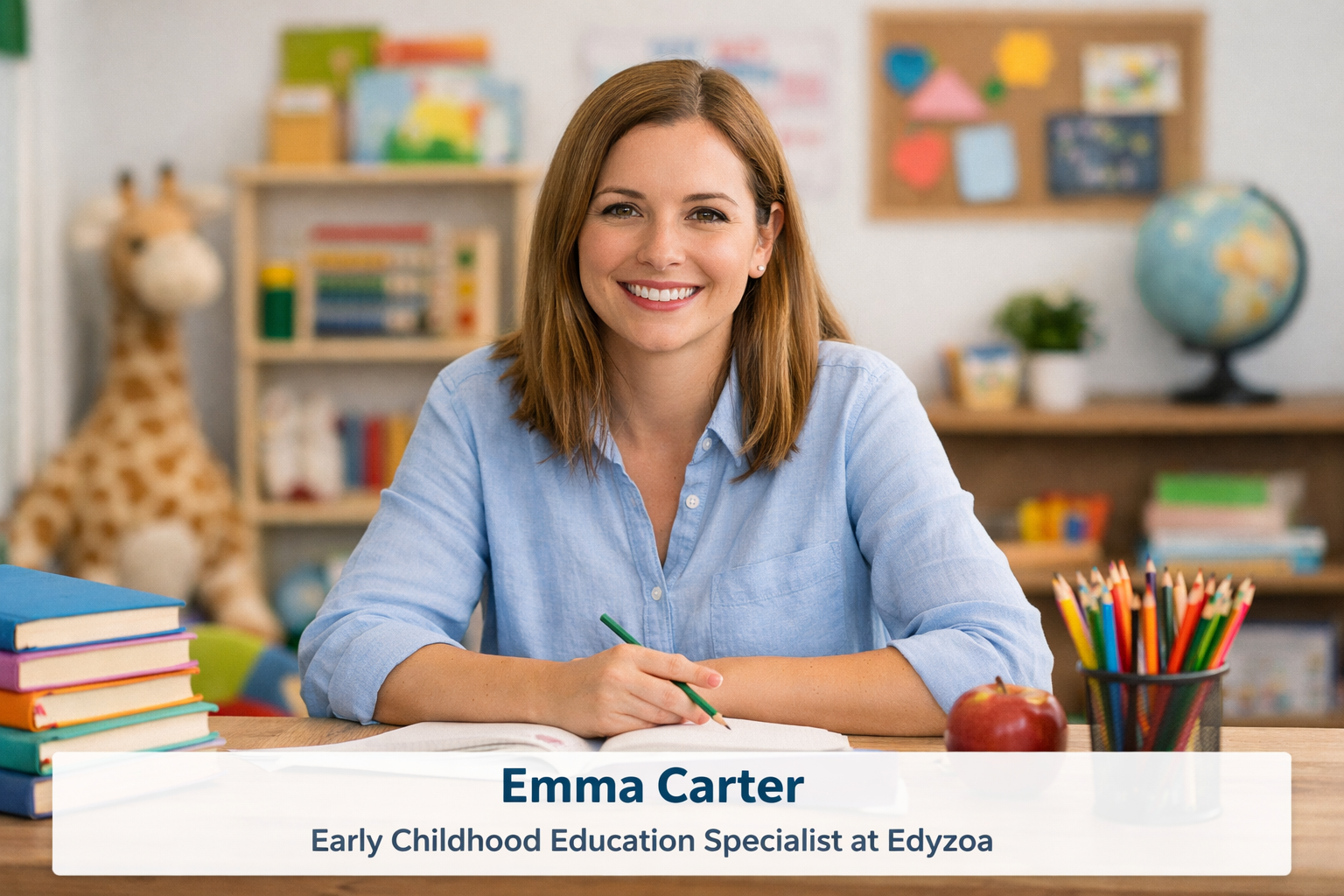
Emma Carter is an early childhood education enthusiast and content creator at Edyzoa. She is passionate about helping children learn through fun, engaging, and safe educational resources that support creativity, curiosity, and skill development.