
Social Butterflies: Nurturing Social Skills in Children for Lifelong Success
From the very first coo in the crib to the complex interactions of adulthood, human beings are inherently social creatures. The ability to connect, communicate, and collaborate with others isn’t merely a pleasant attribute; it’s a fundamental pillar of a fulfilling and successful life. For children, the development of robust social skills is a critical journey, laying the groundwork for everything from academic achievement to personal well-being and professional thriving.
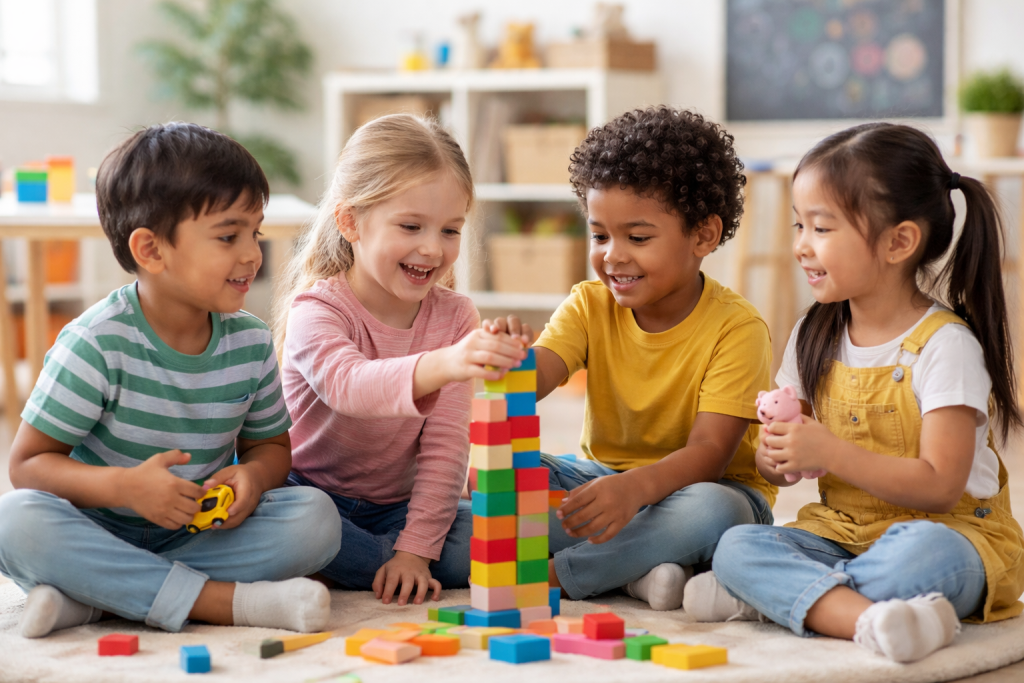
These “social butterflies” in the making, with their innate curiosity and boundless energy, are constantly observing and absorbing the intricacies of human interaction. Nurturing these nascent abilities is one of the most profound investments we can make in a child’s future.
Contents
The Importance of Social Skills in Children’s Development
Social skills are the invisible threads that weave together the tapestry of a child’s world. They are the tools children use to understand others, express themselves, and navigate the confusing landscape of human relationships. Without these essential competencies, a child can feel isolated, misunderstood, and frustrated.
Building Confidence and Self-Esteem Through Social Interaction
Every successful social interaction, however small, acts as a building block for a child’s confidence and self-esteem. When a child learns to share a toy, initiate a game, or resolve a minor disagreement, they gain a sense of agency and accomplishment. These positive experiences reinforce their belief in their ability to connect with others, fostering a healthy self-image and a willingness to engage further with the world. Conversely, a lack of social proficiency can lead to feelings of inadequacy, shyness, and a reluctance to participate, hindering their overall development.
Encouraging Empathy and Compassion in Children
At the heart of meaningful social interactions lies empathy – the ability to understand and share the feelings of others. Social skills provide the framework for developing this crucial trait. As children interact with peers, they encounter different perspectives, emotions, and needs. Learning to read facial expressions, interpret tone of voice, and respond appropriately to another’s distress are all foundational elements of empathy. When a child offers comfort to a crying friend or understands why another child might be upset, they are exercising compassion, a virtue that enriches not only their lives but also the lives of those around them.
The Role of Play in Developing Social Skills
For children, play is not merely recreation; it is the primary laboratory for social learning. Through imaginative games, collaborative activities, and even friendly competitions, children organically develop a vast array of social competencies. In these moments of uninhibited exploration, they practice, refine, and internalise the nuances of social interaction.
Nurturing Communication Skills in Children
Play provides countless opportunities for children to hone their communication skills. Whether they are negotiating roles in a make-believe scenario, explaining the rules of a game, or simply having a conversation with a friend, children are constantly practising both verbal and non-verbal communication. They learn to articulate their thoughts, listen actively, and adapt their communication style to different situations. This natural, unforced environment makes learning to communicate an enjoyable and effective process.
The playground, the classroom, and the family dinner table are all micro-societies where children learn to navigate complex social dynamics. Through play, they encounter situations that require problem-solving, compromise, and cooperation. They learn when to lead and when to follow, how to express their wants while respecting others’ needs, and how to gracefully enter and exit group activities. These practical experiences are invaluable in preparing them for the broader social challenges of adolescence and adulthood.
Fostering Positive Relationships and Friendships
The ability to form and maintain positive relationships is a cornerstone of human happiness and well-being. Early social skills development is instrumental in building this foundation, allowing children to forge meaningful connections that enrich their lives.
Helping Children Manage Conflict and Rejection
Conflict is an inevitable part of human interaction, and learning to manage it constructively is a vital social skill. Through social play and shared experiences, children encounter disagreements over toys, rules, or ideas. These become opportunities to practise negotiation and compromise and find mutually agreeable solutions. Similarly, experiencing rejection, whether it’s not being chosen for a team or a friend preferring to play with someone else, is a natural part of growing up. Helping children understand that rejection is not a reflection of their inherent worth and equipping them with strategies to cope and move forward builds resilience and emotional intelligence.
The Impact of Social Skills on Academic and Career Success
While often considered “soft skills”, social competencies have a profound and measurable impact on a child’s academic trajectory and future career prospects. The ability to interact effectively with others is not just a bonus; it’s a fundamental requirement for navigating educational and professional environments.
Collaborating and Teamwork in the Classroom
Modern education increasingly emphasises project-based learning and group work, which requires students to collaborate effectively. Children with strong social skills are better equipped to participate in these activities, contribute ideas, listen to their peers, and work toward a common goal. This translates into better grades, a more positive learning experience, and the development of essential teamwork skills that are highly valued in the workforce.
Building Professional Networks and Leadership Qualities
In adulthood, social skills become critical for career advancement. Early social development directly links the ability to network, build rapport with colleagues and clients, communicate ideas clearly, and resolve workplace conflicts. Individuals with strong social intelligence often emerge as natural leaders, capable of motivating teams, fostering positive work environments, and driving innovation. Their capacity for empathy and effective communication allows them to understand diverse perspectives and build consensus, qualities essential for success in any professional field.
Strategies for Parents and Educators to Support Children’s Social Development
Nurturing social butterflies is a shared responsibility, requiring intentional effort from both parents and educators. By creating supportive environments and employing specific strategies, we can empower children to become confident and compassionate social beings.
Modeling Positive Social Behavior and Communication
Children are keen observers, and adults serve as their primary role models. Parents and educators who demonstrate empathy, active listening, respectful communication, and conflict resolution in their interactions provide invaluable lessons. Explaining your thought process when you apologise, compromise, or comfort someone offers a window into positive social conduct.
Creating Opportunities for Diverse Social Interactions
Exposure to a wide range of social experiences is crucial. This means arranging playdates, enrolling children in group activities, joining community events, and encouraging interaction with children from different backgrounds and age groups. The more varied their social playground, the more adaptable and understanding children become.
Teaching and Practising Specific Social Skills
Explicit instruction can be incredibly beneficial. This might involve discussing specific scenarios, role-playing different responses, or teaching concrete skills, like “how to ask to join a game” or “how to share”. Using children’s books and age-appropriate media to explore social themes can also be an engaging way to introduce and reinforce these concepts.
Providing Gentle Guidance and Constructive Feedback
When social challenges arise, it’s an opportunity for learning, not just correction. Instead of simply dictating, guide children through problem-solving. Ask open-ended questions like, “How do you think your friend felt when you did that?” or “What could you do differently next time?” Offer positive reinforcement for successful social interactions, highlighting specific behaviours that contributed to positive outcomes.
By diligently nurturing these crucial social skills, we equip children not only to navigate the complexities of their immediate world but also to flourish in all aspects of their lives. We are helping them become empathetic individuals, effective communicators, and confident participants in the grand tapestry of human connection, ensuring their journey through life is marked by positive relationships and enduring success.

Emma Carter is an early childhood education enthusiast and content creator at Edyzoa. She is passionate about helping children learn through fun, engaging, and safe educational resources that support creativity, curiosity, and skill development.