Learning the alphabet is a foundational step in a child’s educational journey, a gateway to literacy, and an essential building block for future academic success. While traditional methods of rote memory have their place, the most effective and enduring way to teach the alphabet to young children is through playful learning. This approach taps into a child’s natural curiosity and desire to explore, transforming what could be a mundane task into an exciting adventure.
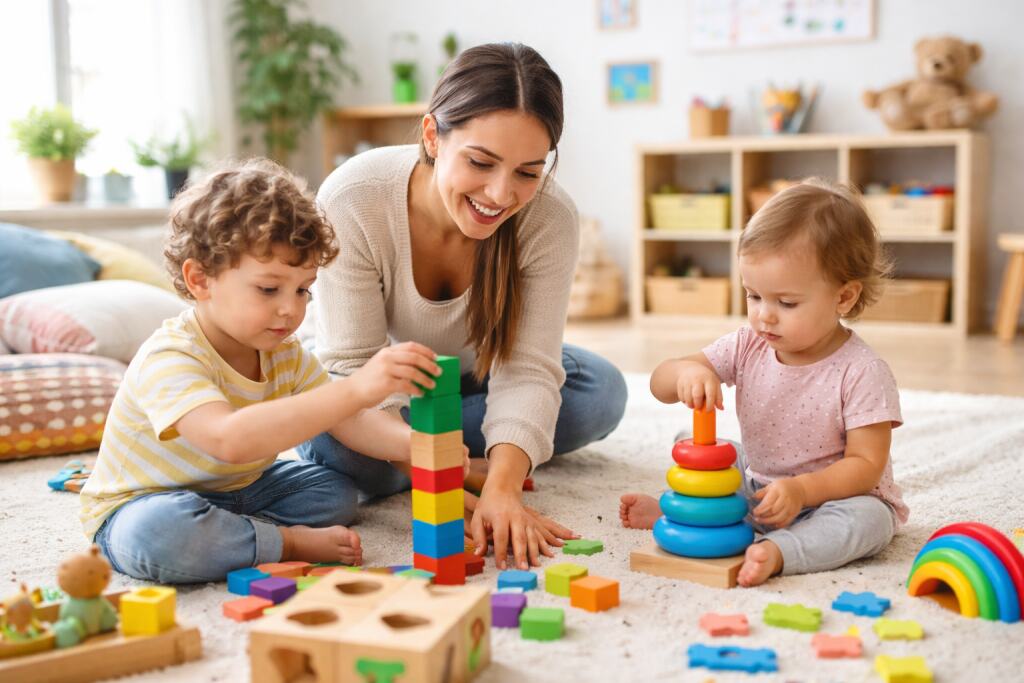
Play is not just a pastime for children; it is their primary mode of learning and development. Through play, children develop cognitive skills, social-emotional intelligence, language abilities, and motor skills. When applied to alphabet instruction, playful learning methods can significantly enhance engagement, retention, and a child’s overall positive attitude toward learning. It fosters a love of discovery rather than a fear of failure, creating a strong foundation for future academic endeavours.
Fostering Intrinsic Motivation
Traditional instruction can sometimes feel forced or uninteresting to a young child. Playful learning, however, inherently motivates children because it aligns with their innate desire to play and explore. Disguised as a game or an exciting activity, learning encourages enthusiastic participation and enhances information retention in children. This intrinsic motivation is crucial for building a lifelong love of learning.
Developing Holistic Skills
Playful learning extends beyond simply recognising letters. It encourages problem-solving, critical thinking, creativity, and social interaction. For example, during a game involving letter matching, children might work together, discussing strategies and helping each other, thereby developing valuable social and communication skills alongside their alphabet knowledge. This holistic development is a hallmark of high-quality early childhood education.
Reducing Anxiety and Stress
Some children find learning intimidating, particularly when they encounter new concepts. Playful learning fosters a joyful, low-stress environment where children view mistakes as growth opportunities rather than failures. This relaxed atmosphere helps to reduce anxiety, allowing children to experiment freely and take risks, which are essential components of deep learning.
Letter recognition is the first step in unlocking the secrets of the alphabet. Moving beyond flashcards, there are countless engaging ways to introduce and reinforce letter recognition.
Sensory Exploration with Letters
Children learn best when multiple senses are involved. Instead of merely looking at letters, allow children to touch, feel, and even taste them (with edible options).
- Sandpaper Letters: Tracing sandpaper letters provides a tactile experience, helping children physically learn the shape of each letter.
- Playdough Letters: Encouraging children to form letters with playdough strengthens fine motor skills while simultaneously learning letter shapes. They can roll, press, and sculpt, making the process highly interactive.
- Shaving Cream or Finger Paint Letters: Spreading shaving cream or finger paint on a tabletop and allowing children to draw letters with their fingers offers a messy yet highly engaging sensory experience.
- Edible Alphabet: Using pretzel sticks, carrot sticks, or fruit slices to create letter shapes, followed by a delicious snack, makes learning both fun and rewarding.
Letter Hunt Adventures
Turning letter recognition into a treasure hunt adds an element of excitement and discovery.
- Scavenger Hunt: Hide various letter cards or objects around the room, each starting with a specific letter. Provide a checklist or a basket for children to collect their finds.
- “I Spy” with Letters: Playing “I Spy” by saying, “I spy with my little eye something that starts with the letter ‘B'” encourages children to look for objects and connect them with initial sounds and letter shapes.
- Alphabet Bottle: Fill a clear plastic bottle with rice or beads and hide small alphabet letters or objects representing letters inside. Children shake and search, identifying the letters they find.
Once children recognise letters, connecting them with their corresponding sounds is the next crucial step. Interactive games make this complex link more accessible and enjoyable.
Sound Matching Games
These games help children associate a specific letter with its phonetic sound.
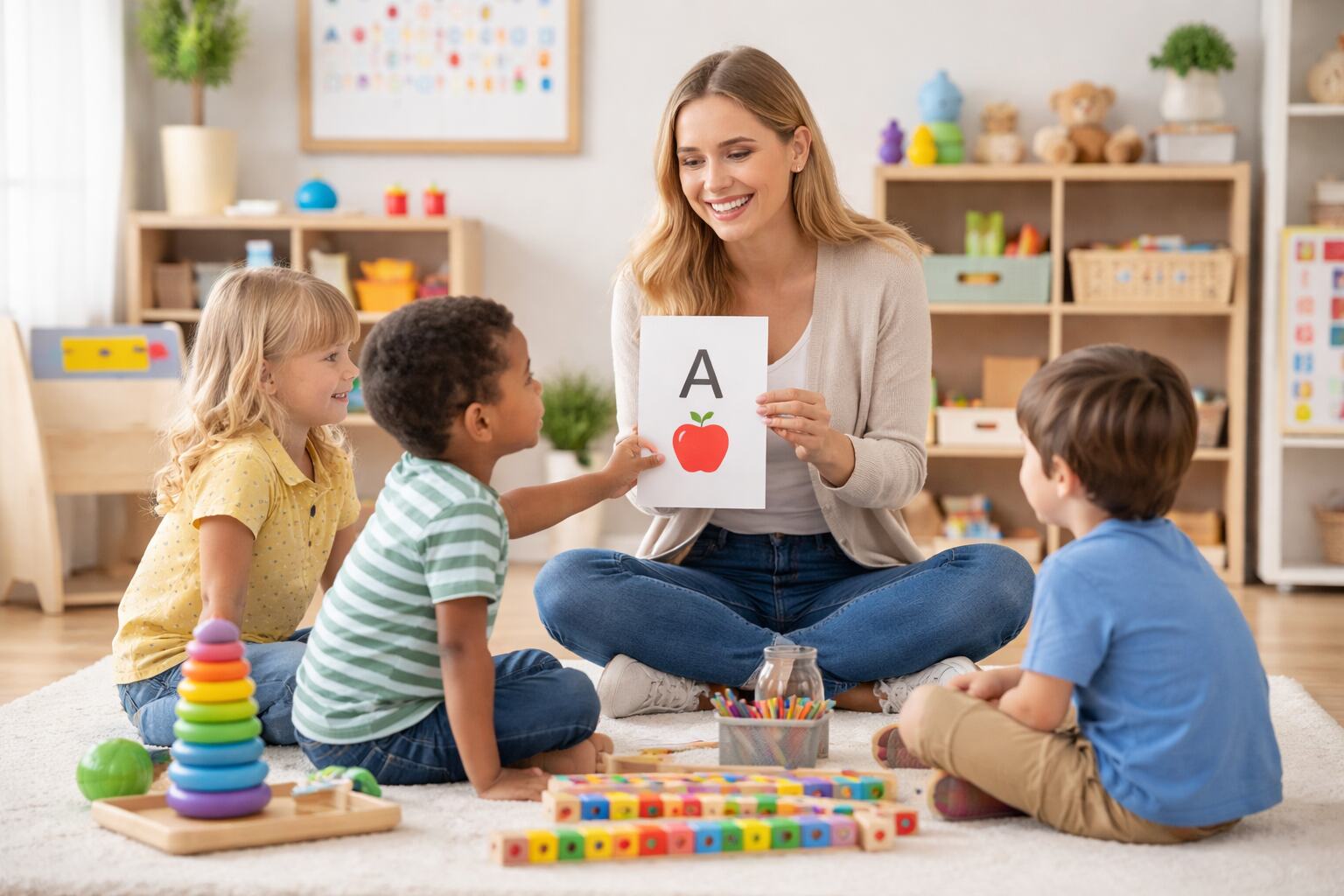
- Picture-to-Letter Sound Match: Provide a set of picture cards and letter cards. Children match the picture (e.g., a “cat”) to the letter that makes its initial sound (“C”).
- Beginning Sound Sort: Create categories for different letter sounds. Give children an assortment of objects or pictures and ask them to sort them into the correct sound categories. For example, a “ball” goes into the “B” category, and an “apple” goes into the “A” category.
- Musical Letter Chairs: Similar to musical chairs, but when the music stops, children must identify the letter on the chair they land on and make its sound before the next round begins.
Sound Storytelling and Rhymes
Incorporating narrative and rhythm can make letter sounds memorable.
- Story Time with Letter Sounds: Read books that emphasise alliteration or focus on specific letter sounds. Pause and ask children to identify sounds within words.
- Alphabet Sound Songs and Chants: Many traditional and contemporary songs are designed to teach letter sounds. Repetitive chants that focus on a letter and its sound (“A says /a/, /a/, Apple!”) are also highly effective.
Beyond recognition and sounds, forming letters correctly is vital for emergent writing. Creative methods can make this otherwise repetitive task engaging.
Multi-Sensory Tracing and Writing
Engage multiple senses to reinforce the motor movements required for letter formation.
- Salt Tray Writing: Children use their fingers to “write” letters in a shallow tray filled with salt, sand, or sugar. This provides tactile feedback and allows for easy erasure and repetition.
- Water Writing: Using a paintbrush and water on a chalkboard or concrete surface, children can practise writing letters, watching them disappear as the water evaporates, making it a non-permanent and low-pressure activity.
- AirTracing: Simply having children “write” letters in the air using their fingers or entire arms can help them internalise the motor patterns without the pressure of paper and pencil.
Creative Letter Art
Transforming letter formations into an artistic endeavour can be highly motivating.
- Letter Collages: Provide various materials like yarn, fabric scraps, sequins, or cut-out magazine pictures. Children can glue these materials onto large letter outlines, creating unique and textural representations of each letter.
- Q-Tip Painting: Using Q-tips and paint, children can dab dots to form letters, which helps with fine motor control and precision.
- Nature Letters: Go on a nature walk to collect twigs, leaves, pebbles, and other natural materials. Back inside, encourage children to arrange these items to form letters.
In today’s digital age, technology offers a wealth of interactive tools that can complement traditional playful learning methods for alphabet instruction.
Engaging Apps and Websites
There are numerous educational apps and websites specifically designed to teach the alphabet through games and interactive exercises.
- Interactive Letter Games: Apps often feature touch-and-drag games, letter puzzles, and animation that respond to a child’s input, making learning dynamic.
- Animated Alphabet Songs and Videos: Educational videos with catchy songs and engaging animations can introduce letters and their sounds in a visually stimulating way.
- Digital Tracing Activities: Many tablets and apps allow children to trace letters onscreen, often with visual and auditory feedback, mimicking the sensation of writing.
Interactive Whiteboard Activities
For classroom settings, interactive whiteboards can transform alphabet lessons into collaborative and exciting experiences.
- Drag-and-Drop Letter Matching: Teachers can create activities where children drag letters to match them with corresponding pictures or other letters.
- Virtual Letter Building: Using digital tools, children can virtually build letters with shapes or lines, promoting an understanding of letter construction.
- Interactive Story Creation: Children can use letter-themed icons and words to create simple stories on the whiteboard, fostering early literacy skills.
Children are naturally kinaesthetic learners, and integrating movement and music can significantly enhance their engagement and memory when learning the alphabet.
Action-Oriented Alphabet Games
Turning letters into actions can make them unforgettable.
- Alphabet Yoga/Movement: Assign a unique movement or posture to each letter. For example, “A” could be for “arms up, like an apple tree”, and “B” for “bounce like a ball”.
- Letter Dance: Play music and call out letters. Children perform a predetermined dance move or action associated with that letter.
- Alphabet Hopscotch: Draw a hopscotch grid with letters in each square. Children call out the letter and its sound as they hop on it.
Melodious Letter Learning
Music is a powerful mnemonic device, making it excellent for alphabet instruction.
- Alphabet Songs with Actions: You can reinforce letter names and order by performing actions alongside the lyrics in many popular alphabet songs.
- Letter Sound Chants and Raps: Creating rhythmic chants or simple raps for each letter and its sound can be incredibly effective for auditory learners.
- “Name That Tune” with Letter Sounds: Play short musical snippets, and if a song starts with a particular letter sound, children identify the letter.
Hands-on experiences provide concrete understanding and allow children to manipulate and explore letters in a tangible way.
Building and Constructing Letters
Building letters helps children understand their components and spatial relationships.
- Block Letters: Using building blocks, LEGOs, or Magna-Tiles, children can construct large-scale models of letters.
- Popsicle Stick Letters: Provide coloured popsicle sticks and glue, encouraging children to build letters by arranging and glueing the sticks together.
Crafting and Creating with Letters
Art and craft activities can make letter learning a creative outlet.
- Letter Puppets: Children can draw and cut out letters, then attach them to popsicle sticks to create letter puppets. They can then put on a “letter show”.
- Alphabet Animals: Guide children in transforming letters into animals (e.g., an “A” transforming into an alligator’s mouth, a “B” into a butterfly’s wings).
Fostering imagination and creativity makes alphabet learning a journey of storytelling and self-expression.
Storytelling with Letters
Embrace the power of narrative to connect letters with meaning.
- “What If” Letter Stories: Ask children, “What if the letter ‘S’ could talk?” What would it say?” or “What kind of adventure would the letter ‘P’ go on?”
- Alphabet Character Development: Encourage children to draw or describe a character for each letter, giving it a personality and a story that starts with that letter.
Imaginative Play with Letters
Integrate letters into imaginative scenarios.
- Alphabet Dress-Up: Have a collection of props and costumes. Children pick an object, identify its starting letter, and dress up as something related to that letter.
- Letter-Themed Role-Playing: Set up a “letter bakery” where children bake letter-shaped cookies or a “letter post office” where they sort letter mail.
The advantages of a playful approach to alphabet instruction are extensive and long-lasting.
Enhanced Memory and Retention
When learning is enjoyable and multi-sensory, information is more readily processed and stored in long-term memory. Play creates strong neural connections associated with positive emotions, making retrieval easier.
Increased Engagement and Motivation
Children are naturally drawn to play. By embedding alphabet learning within playful activities, educators and parents can sustain children’s interest and enthusiasm, preventing boredom and disengagement.
Development of Foundational Literacy Skills
Beyond letter recognition and sounds, playful learning lays the groundwork for more complex literacy skills, including phonological awareness, phonics, and early reading comprehension.
Setting the stage for playful learning is crucial for its success.
Foster a Respectful and Supportive Atmosphere
Create a space where children feel safe to experiment, make mistakes, and learn at their pace without judgement. Encourage curiosity and celebrate effort over perfection.
Provide a Variety of Materials and Resources
Offer a rich selection of manipulatives, art supplies, books, games, and technological tools. Rotate these resources regularly to maintain novelty and interest.
Be Flexible and Child-Led
While having a plan is important, be prepared to follow a child’s lead. If a child expresses interest in a particular letter or activity, embrace that enthusiasm and adapt your approach accordingly. Allow for spontaneous play that naturally incorporates learning.
Model Enthusiasm and Participate Actively
Children are highly attuned to adult attitudes. Show genuine excitement for alphabet exploration. Get down on their level, play alongside them, and share in their discoveries. Your enthusiasm is contagious and will encourage their own.
By embracing playful learning, we empower young children to embark on their literacy journey with joy, curiosity, and a deep-seated love for learning that extends far beyond the alphabet itself.