
Small Steps, Big Results: Helping Kids Set Attainable Goals
The journey of childhood is one of constant discovery and growth. Within this dynamic landscape, the ability to set and achieve goals is a foundational skill that shapes a child’s future success and well-being. It’s not about aiming for the stars from the outset, but rather about understanding the power of starting small, building momentum, and experiencing the profound impact of consistent effort. By teaching children to set attainable goals, we equip them with a roadmap for personal development, fostering confidence, resilience, and a lifelong love of learning. This article explores the multifaceted approach to guiding children in their goal-setting endeavors, emphasizing the crucial role of parents and educators in nurturing this essential life skill.
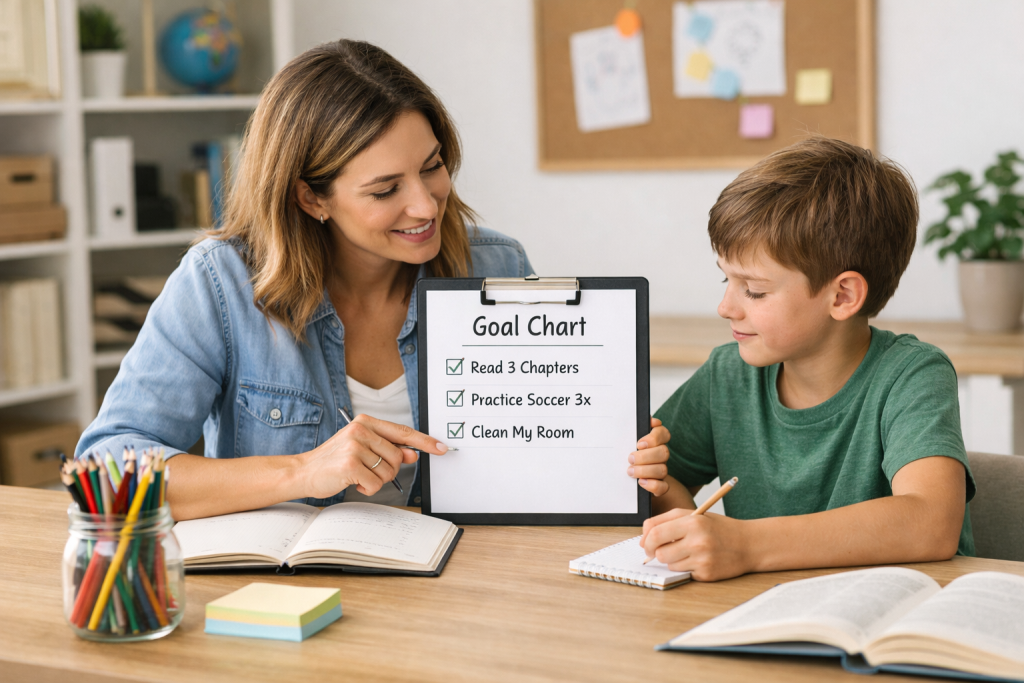
Establishing attainable goals for children isn’t merely about ticking boxes; it’s about laying the groundwork for a healthy self-perception and a proactive approach to life. When children learn to set goals that are within their reach, they experience the sweet taste of accomplishment. This early success is a powerful catalyst, reinforcing their belief in their own capabilities and encouraging them to tackle future challenges with optimism. The alternative, setting overly ambitious goals that lead to repeated frustration and disappointment, can have the opposite effect, fostering feelings of inadequacy and a reluctance to try.
Contents
Building Self-Efficacy Through Achievable Targets
Self-efficacy, the belief in one’s ability to succeed in specific situations or accomplish a task, is paramount for a child’s development. Attainable goals serve as stepping stones in building this crucial trait. Each small victory confirms their competence, solidifying the understanding that effort translates into tangible results. This process is akin to building muscles; small, consistent workouts lead to strength and endurance, not one Herculean effort. When a child can look back at a series of achieved goals, no matter how minor they might seem to an adult, they develop a robust internal locus of control, understanding that they have the power to shape their own outcomes.
The Ripple Effect: Confidence and Motivation
The confidence derived from achieving attainable goals is a powerful motivator. It creates a positive feedback loop: success breeds confidence, and confidence fuels further motivation. A child who successfully learns to tie their shoes independently will likely be more eager to try other new skills, from riding a bike to reading a chapter book. This intrinsic motivation, born from genuine achievement, is far more potent and sustainable than any external reward. It ignites a curiosity and a willingness to explore, venture beyond their comfort zone, and embrace the learning process with enthusiasm.
Fostering a Growth Mindset
Attainable goals are intrinsically linked to the development of a growth mindset, the belief that abilities and intelligence can be developed through dedication and hard work. When children are encouraged to set and achieve realistic goals, they learn to see challenges not as insurmountable obstacles but as opportunities for learning and improvement. They begin to understand that setbacks are part of the process, not a reflection of their inherent limitations. This perspective shift is invaluable, empowering them to persevere when faced with difficulties and to view effort as a path to mastery.
Equipping children with the skills to set effective goals requires a structured and supportive approach. It’s not about simply telling them to “get good grades” but breaking down aspirations into manageable components. This process involves guiding them through a series of steps that promote clarity, feasibility, and a sense of ownership.
The SMART Framework for Young Learners
Emma Carter is an early childhood education enthusiast and content creator at Edyzoa. She is passionate about helping children learn through fun, engaging, and safe educational resources that support creativity, curiosity, and skill development.