
Long before a young child dons their first suit or enters a corporate office, they often lay the foundations of success. These crucial building blocks are not solely academic; they are deeply rooted in the development of essential life skills, chief among them being leadership. Teaching children leadership skills from an early age is not about grooming them for future CEO positions but rather about equipping them with the confidence, communication, and collaborative spirit to navigate life’s challenges and opportunities, regardless of their chosen path.

The intricate dance of childhood, whether on a sun-drenched playground or during a lively family game night, is an unwitting training ground for leadership. It is in these seemingly simple interactions that children learn to negotiate, persuade, resolve conflicts, and take initiative – all hallmarks of effective leadership. By understanding the organic nature of these developmental stages, parents and educators can harness the power of play to cultivate these vital abilities, ensuring that children are not just prepared for the future but are actively shaping it. This article will look at the various approaches to teaching kids leadership skills, from the unstructured freedom of playtime to the structured environment of the classroom, highlighting the profound and lasting benefits that extend far beyond the boardroom.
The notion of teaching leadership to children can sometimes evoke images of miniature titans of industry, but in reality, it’s about nurturing fundamental human capacities. At its core, leadership is about influence, vision, and the ability to inspire and guide others toward a common goal. These are not innate qualities possessed by a select few; they are skills that can be learned, practised, and refined. Introducing these concepts early on provides children with a significant advantage, which encourages a sense of control and self-belief that will serve them throughout their lives.
The Ripple Effect: Why Leadership Skills Matter Beyond the Office
The benefits of instilling leadership qualities in children extend far beyond the confines of a professional career. Children who learn to lead are more likely to be confident individuals, capable of expressing their ideas and advocating for themselves. They develop a stronger sense of responsibility and a greater understanding of their impact on the world around them. This translates into better academic performance, as they are more likely to engage actively in classroom discussions and take ownership of their learning. Furthermore, these skills are crucial for building healthy relationships, as effective leaders are also empathetic listeners and skilled problem-solvers within their social circles. The ability to collaborate, compromise, and communicate effectively are transferable skills that enrich every aspect of a child’s life, from navigating peer dynamics to contributing meaningfully to their communities.
A Foundation for Resilience: Building Inner Strength Through Leadership Training
The journey of life is rarely a smooth, linear progression. Children will inevitably encounter obstacles, setbacks, and moments of uncertainty. Leadership training, even at its most basic level, equips them with the mental fortitude to face these challenges head-on. Learning to take initiative means overcoming the fear of failure and understanding that mistakes are opportunities for growth. Developing decision-making skills empowers them to feel in control of their circumstances, rather than being at the mercy of external forces. This builds a crucial sense of resilience, allowing them to bounce back from adversity with a newfound sense of determination and a belief in their ability to overcome challenges. This inner strength is an indispensable asset, a wellspring of confidence that will empower them to navigate the complexities of adulthood with grace and efficacy.
The boisterous energy and unstructured freedom of the playground are, in many ways, the ultimate leadership laboratory. It is here, amidst the shrieks of laughter and the thrill of the slide, that children naturally experiment with different roles, learn to navigate social dynamics, and develop the essential skills that will form the bedrock of future leadership. Recognising and actively nurturing these emergent leadership qualities within this vibrant environment is paramount.
The Art of Negotiation: Learning to Share and Compromise
Consider a game of tag. Who decides who is “it”? How are boundaries established? These simple scenarios are rife with opportunities for children to learn the art of negotiation. They learn to voice their preferences, to listen to the ideas of others, and to find compromises that allow everyone to participate and enjoy the activity. This phase is the nascent stage of collaborative problem-solving, where understanding different perspectives and working towards a mutually agreeable solution is key. A child who can effectively negotiate for turns on the swings or for a particular role in a make-believe game is already practising a vital leadership skill.
Initiative and Enterprise: Sparking Innovation on the Swingset
The playground is also a hotbed for spontaneous creativity and initiative. A group of children might decide to build a fort, invent a new game, or embark on a treasure hunt. These endeavours require a leader to emerge, someone to brainstorm ideas, delegate tasks (even informally), and motivate others. Encouraging this burgeoning sense of enterprise, where children feel empowered to suggest new activities and take the first step in organising them, is crucial. When a child has the courage to say, “Let’s build a castle here!” and rallies their peers to gather sticks and leaves, they are demonstrating initiative and the ability to mobilise others – fundamental leadership qualities.
Conflict Resolution on the Climbing Frame: From Squabbles to Solutions
Disagreements are an inevitable part of social interaction, and the playground is no exception. Whether it’s a dispute over a toy or a misunderstanding about the rules of a game, these conflicts offer invaluable teachable moments. Instead of immediately intervening, parents and carers can encourage children to attempt to resolve their differences themselves. Guiding them to express their feelings calmly, listen to the other child’s perspective, and brainstorm solutions teaches them the essential skills of mediation and conflict resolution, crucial for effective leadership in any setting. A child who can help two friends work through a disagreement over a shared toy is developing the empathy and problem-solving skills that are the hallmarks of a great leader.
While the playground offers fertile ground, the conscious and deliberate nurturing of leadership skills by parents and educators is what solidifies these nascent abilities into well-developed strengths. This involves creating supportive environments, providing opportunities for practice, and offering guidance that empowers children to grow and learn.
The Power of Modeling: Leading by Example in Everyday Life
Kids are observant, and they learn a lot by watching adults. Parents who demonstrate strong leadership qualities in their actions – whether it’s taking initiative at home, communicating effectively with others, or making thoughtful decisions – provide a powerful living example. This extends to how parents handle challenges, how they treat others, and their willingness to take responsibility. When children see their parents working collaboratively, resolving conflicts with respect, and speaking with clarity and conviction, they absorb these behaviours and begin to emulate them in their own interactions. This unconscious learning is incredibly impactful, shaping a child’s understanding of what it means to be a confident and effective leader.
Collaborative Ventures: Fostering Teamwork and Shared Goals
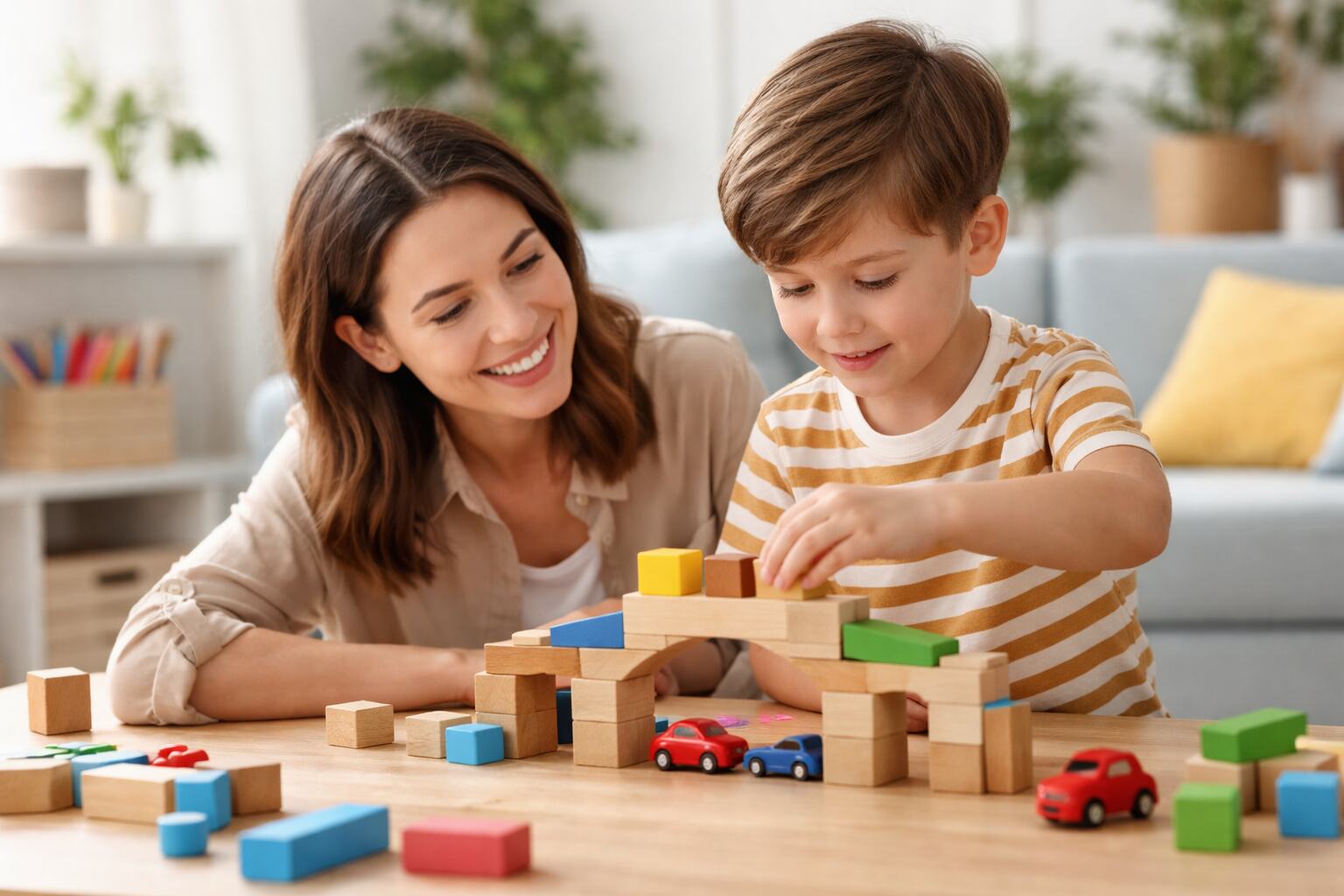
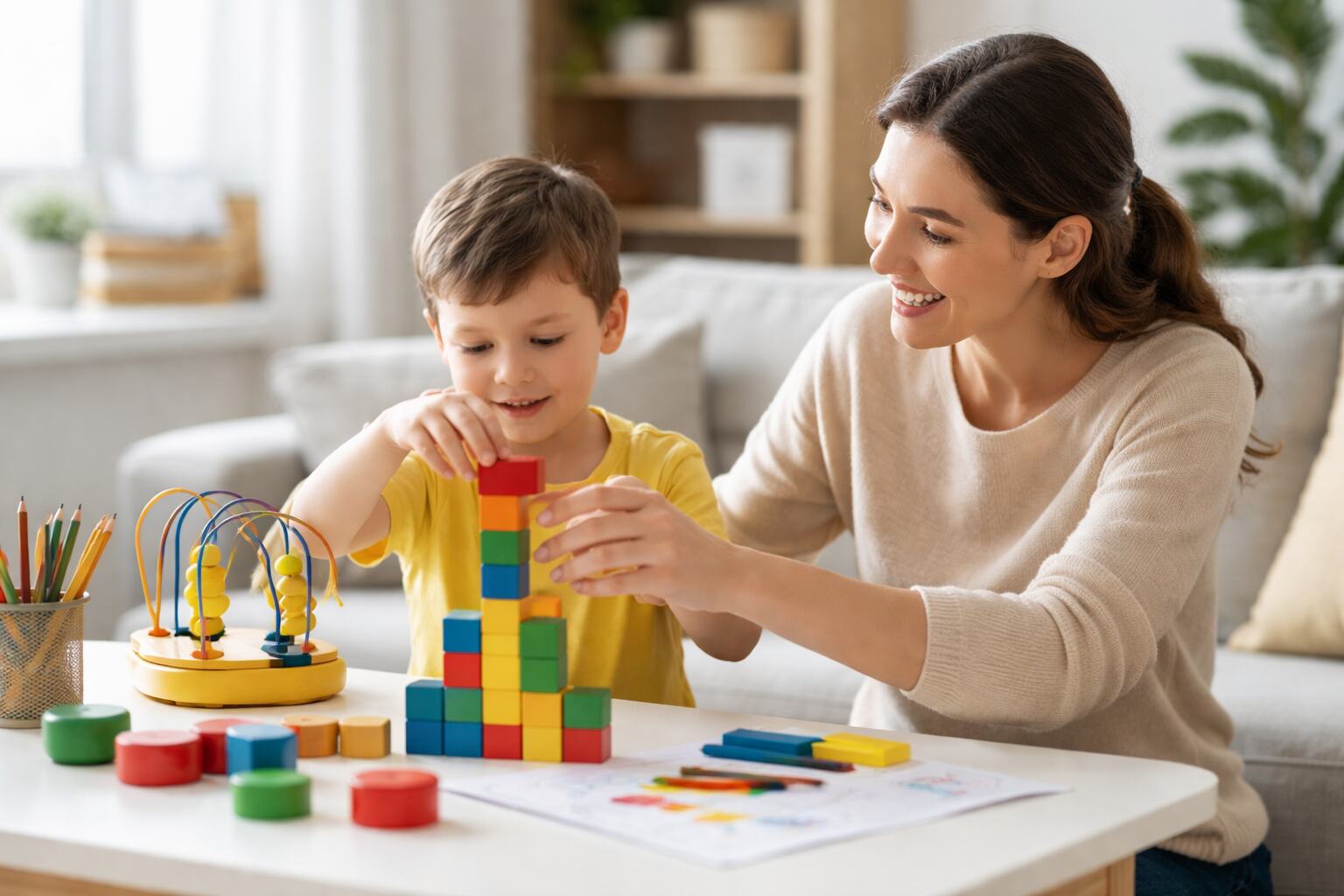
Encouraging teamwork and collaboration is a cornerstone of leadership development. This can be as simple as assigning household chores that require cooperation, like preparing a meal together, or participating in family projects that necessitate shared effort. In a school setting, group projects and team-based activities provide similar opportunities. The key is to emphasise the importance of each individual’s contribution to the collective success. When children learn to value the strengths of their peers, to share responsibilities, and to work together toward a common objective, they develop a profound understanding of how diverse talents can combine to achieve greater outcomes. This promotes a bond of friendship and mutual respect, essential for any successful team.
The Art of Effective Communication: Speaking and Listening with Purpose
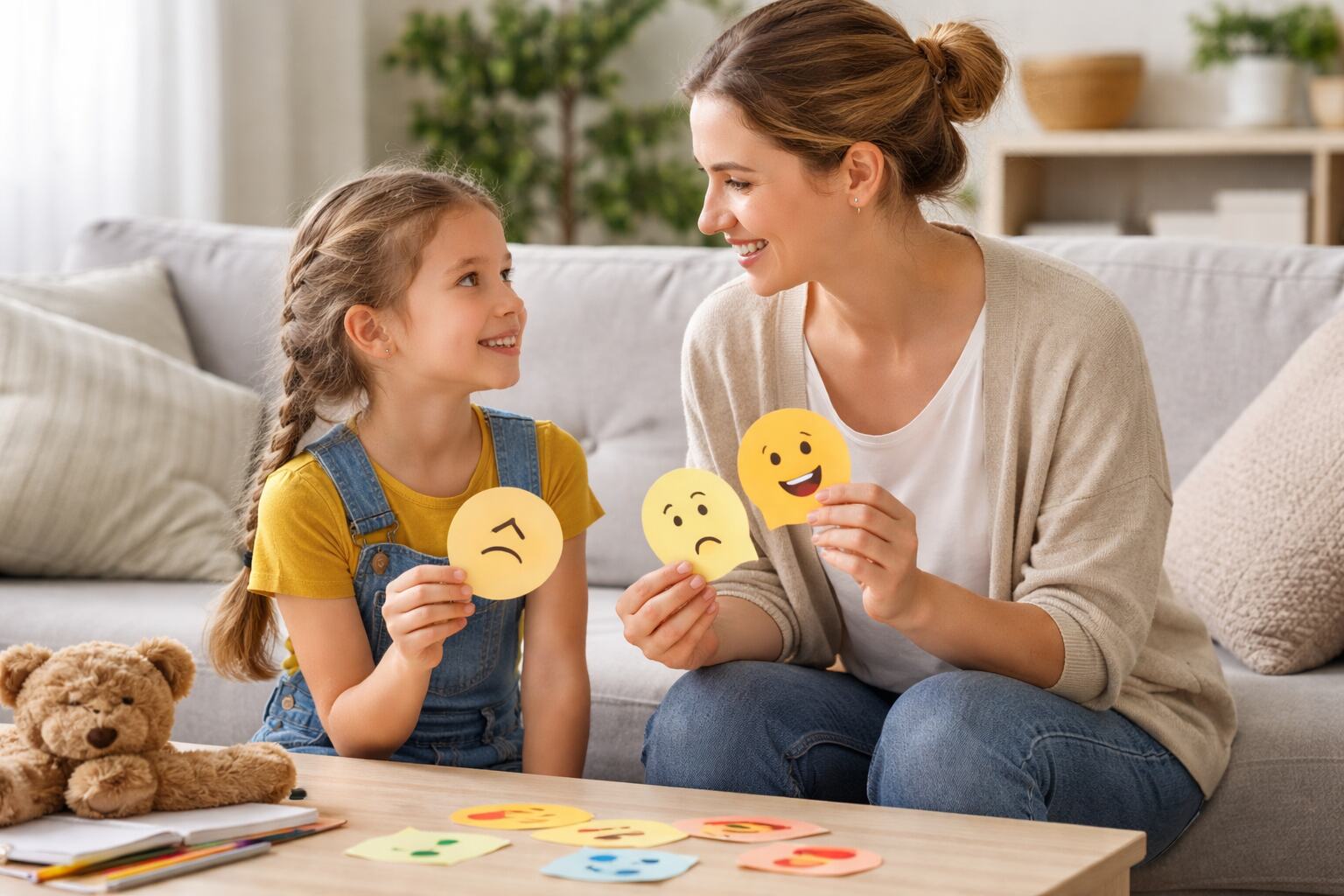
Effective communication is the lifeblood of leadership. Children need to learn not only how to express their thoughts and ideas clearly and persuasively but also how to listen actively and empathetically to others. This involves encouraging them to articulate their needs, to explain their reasoning, and to engage in thoughtful discussions. Parents can facilitate this by asking open-ended questions, encouraging them to elaborate on their thoughts, and modelling respectful dialogue. Debates, presentations, and even simple class discussions are all structured ways for kids to improve their communication skills in school. Articulating a vision and genuinely hearing and understanding the perspectives of others are critical leadership attributes that require dedicated practice.
While informal learning environments like the home and playground are invaluable, the structured curriculum of educational institutions also plays a crucial role in systematically developing leadership skills. Schools hold a unique position in offering a thorough and uniform approach to leadership training, guaranteeing equal access to these essential developmental opportunities for all students.
Beyond Academics: Incorporating Leadership Training into School Curriculum
Forward-thinking educational institutions are increasingly recognising the importance of embedding leadership development directly into their curriculum. This goes beyond simply teaching leadership theory; it involves creating practical, hands-on experiences that allow students to practise and refine their leadership abilities. This can manifest in various ways, from student-led initiatives and clubs to dedicated workshops on communication, problem-solving, and team dynamics. Schools can make leadership a conscious and integrated part of the learning process, elevating these skills to the same level as academic achievements. This deliberate approach ensures that all students, regardless of their prior exposure, have the opportunity to cultivate their leadership potential.
Empowering Decision-Makers: Fostering Independence and Critical Thinking
A vital component of leadership development is equipping children with the confidence and competence to make sound decisions. Schools can foster this by providing opportunities for student autonomy and encouraging critical thinking. This might involve allowing students to choose project topics, present different approaches to problem-solving, or take on responsibilities within the classroom or school community. Teachers help students develop a sense of agency and self-reliance by giving them the power to weigh their options, think about the consequences, and take responsibility for their choices. This builds a crucial foundation for effective leadership, where individuals are able to make informed decisions and guide themselves and others with confidence.
The investment in teaching children leadership skills yields dividends that extend far into their adult lives. The benefits are not just personal; they contribute to the creation of a more capable, collaborative, and ethically minded society. By equipping young minds with these essential abilities, we are not just preparing them for future roles but empowering them to become active and influential participants in shaping the world.
The Future Leaders of Tomorrow: Equipping for Roles of Influence
The ultimate goal of nurturing leadership skills in children is to prepare them for the diverse roles of influence they will undoubtedly encounter and undertake in the future. These roles may be in formal leadership positions within organisations, or they may be the informal influence they wield in their families, communities, or chosen professions. By instilling confidence, communication mastery, and a collaborative spirit, we are equipping them with the tools to inspire others, to drive positive change, and to navigate complex challenges with resilience and vision. This foresight ensures that they are not merely reactive to the demands of the future but are proactively positioned to lead and innovate within it.
The journey from the boundless imagination of the playground to the strategic decision-making of the boardroom is remarkable. By understanding and actively fostering leadership skills in children, we are not just preparing them for success; we are empowering them to become the architects of their futures and the positive influencers of the world around them. The lessons learned on the swings and slides, in the collaborative efforts of group projects, and through the encouragement of confident communication all converge to create individuals who are ready to lead, to serve, and to make a lasting difference.