
Teach Your Child the Alphabet with Our Fun and Free Printable Chart
The journey of learning begins with the building blocks of language, and for young minds, there’s no more fundamental starting point than the alphabet. Understanding letters is the gateway to reading, writing, and a world of communication and knowledge. This fundamental skill allows for the exploration of imagination, promotes cognitive growth, and ignites an enduring passion for learning. The alphabet, a seemingly simple collection of symbols, holds immense power in shaping a child’s future educational success and their ability to interact with the world around them. It’s the key that unlocks stories, dreams, and the vast landscape of human expression.
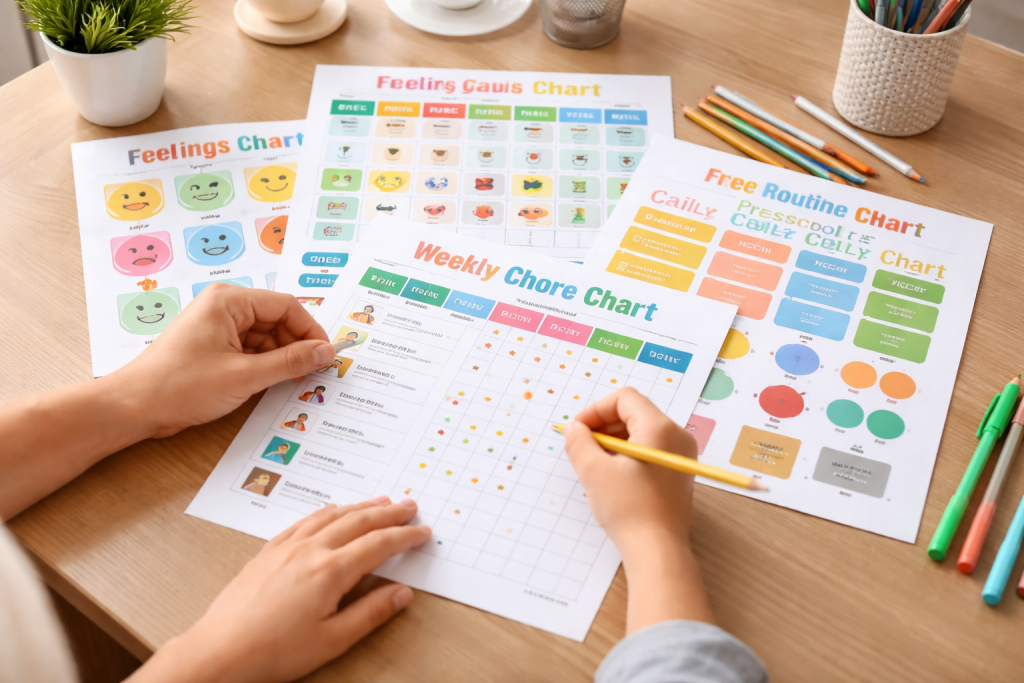
Introducing children to the alphabet at an early age is extremely significant. This early exposure lays the groundwork for literacy development, which in turn impacts a child’s academic performance across all subjects. Beyond the purely academic, grasping the alphabet fosters crucial cognitive skills. It sharpens memory as children learn to recognise and recall letter shapes and sounds. It develops their phonological awareness, the ability to hear and manipulate individual sounds within words, a vital precursor to reading fluency. Moreover, the act of learning letters encourages problem-solving and critical thinking skills as children identify patterns and make connections.
Contents
- 1 Building Blocks for Literacy
- 2 Enhancing Cognitive Development
- 3 Fostering Communication and Expression
- 4 Sensory Exploration and Play-Based Learning
- 5 Musical and Rhyming Approaches
- 6 Storytelling and Character Association
- 7 Visual Reinforcement and Recognition
- 8 Accessibility and Affordability
- 9 Versatility in Application
- 10 Display and Familiarization
- 11 Letter Sounds and Recognition
- 12 Tracing and Coloring Activities
- 13 Be Patient and Positive
- 14 Make it Interactive
- 15 Connect Letters to the Real World
- 16 During Meal Times
- 17 While Reading Books
- 18 During Playtime and Outings
- 19 Noticing Letter Recognition
- 20 Identifying Sound-Letter Association
- 21 Measuring Confidence and Engagement
- 22 Educational Games and Apps
- 23 Books and Storybooks
- 24 Manipulatives and Toys
Building Blocks for Literacy
The alphabet is the cornerstone of literacy. Without a solid understanding of individual letters and their corresponding sounds, children will struggle to decode words and comprehend written text. Learning the alphabet provides the essential building blocks necessary for them to construct words, sentences, and ultimately, to engage with the rich tapestry of written information. This foundational skill empowers them to participate more fully in preschool and kindergarten activities, setting them on a positive trajectory for their entire academic career.
Enhancing Cognitive Development
The process of learning the alphabet is a powerful catalyst for cognitive development. As children work to identify, differentiate, and memorise letter shapes, they are exercising their visual discrimination and memory skills. Associating letters with their sounds, a process known as phonics, further strengthens their auditory processing and phonological awareness. This intricate interplay of sensory input and cognitive processing helps to build neural pathways, contributing to overall brain development and enhancing a child’s ability to learn other complex concepts.
Fostering Communication and Expression
The ability to read and write, directly stemming from alphabet knowledge, is paramount for effective communication. Children who are familiar with the alphabet can begin to express their thoughts and ideas in written form, even if it’s just scribbling their name or creating simple words. This early ability to communicate through writing fosters their confidence and encourages them to engage actively in sharing their perspectives. It unlocks a new dimension of self-expression and allows them to connect with others on a deeper level.
While the importance of the alphabet is clear, the method of teaching it can vastly influence a child’s engagement and retention. Moving beyond rote memorisation, incorporating fun and creative approaches transforms the learning process into an enjoyable adventure. Playful learning encourages children to be motivated, curious, and eager to explore the world of letters. This approach fosters a positive association with learning, making it a sustainable and rewarding experience.
Sensory Exploration and Play-Based Learning
Engaging multiple senses makes learning more memorable and exciting. Children can trace letters in sand, paint them with water on a sidewalk, or build them with playdough. These tactile experiences help them internalise letter shapes in a tangible way. Play-based learning, where the alphabet is integrated into games and activities, allows children to learn naturally and at their own pace. Think of scavenger hunts for letters or building block towers with lettered sides.
Musical and Rhyming Approaches
Music and rhyme are powerful tools for recall. Singing alphabet songs, with catchy melodies and repetitive lyrics, helps children memorise letter names and their order. Creating simple rhymes that incorporate specific letters can also be highly effective. For instance, a rhyme that uses the “B” sound repeatedly can help children solidify its association. The rhythmic nature of music and rhyme makes the learning process enjoyable and aids in memory retention.
Storytelling and Character Association
Bringing letters to life through stories and characters can spark a child’s imagination. Create characters for each letter, perhaps an “Aardvark” for “A” or a “Brave Bear” for “B”. Weave these characters into simple stories that highlight the letter’s sound or shape. This narrative approach makes the alphabet more relatable and engaging, transforming abstract symbols into familiar friends.
Printable alphabet charts are an incredibly accessible and versatile tool for supporting early literacy development. Their tangible nature, combined with their visual appeal, makes them a highly effective resource for both parents and educators. Integrating them into various learning environments further enhances their value.
Visual Reinforcement and Recognition
A well-designed alphabet chart provides consistent visual reinforcement of letter shapes and their corresponding names and sounds. Having the entire alphabet displayed in a clear and organised manner allows children to see the relationships between letters and to begin recognising them in context. This constant exposure aids in memorisation and strengthens their ability to identify letters independently.
Accessibility and Affordability
The beauty of printable charts lies in their accessibility. They can be easily downloaded and printed at home, making them a cost-effective solution for parents and educators. This affordability ensures that high-quality learning resources are available for everyone, regardless of their financial circumstances. The convenience of being able to print a chart whenever needed is also a significant advantage.
Versatility in Application
Printable charts are incredibly versatile. They can be laminated and used repeatedly, hung on walls for constant reference, or used as flashcards for focused learning sessions. They can also be incorporated into various activities, from tracing and colouring to word games. This adaptability allows educators and parents to tailor their teaching methods to suit the child’s learning style and needs.
Our free printable alphabet chart is designed to be a user-friendly and engaging resource that empowers you to guide your child’s alphabet journey. Its straightforward design and clear presentation make it an ideal starting point for introducing letters to young learners. We’ve aimed to create a tool that is both educational and enjoyable.
Display and Familiarization
The simplest and most effective way to begin is by displaying the chart in a prominent location where your child sees it regularly. This could be on a bedroom wall, in the playroom, or even on the refrigerator. The goal is for the alphabet to become a familiar part of their environment. Encourage them to point to letters, to say their names, and to identify any they might already recognise.
Letter Sounds and Recognition
Once your child knows what the letters look like, you can teach them their sounds. Point to a letter, say its name, and then pronounce its most common sound. For example, when pointing to “A”, say “A, /a/, as in apple.” Encourage your child to repeat both the letter name and its sound. You can also play simple games where you say a sound and ask them to find the corresponding letter on the chart.
Tracing and Coloring Activities
Our chart can also serve as an excellent template for hands-on activities. Print out extra copies that your child can use for tracing with their finger or with crayons. This tactile engagement helps reinforce the motor skills involved in writing. They can also colour in the letters themselves, adding a creative outlet to the learning process. This reinforces letter recognition while also providing an opportunity for artistic expression.
Keeping children engaged in any learning activity requires creativity and an understanding of what captures their attention. Alphabet learning is no exception. By incorporating elements of play, novelty, and positive reinforcement, you can transform a potentially daunting task into an exciting exploration. The key is to make it an enjoyable experience that fosters a genuine curiosity for letters.
Be Patient and Positive
Every child learns at their pace. It’s important to maintain a patient and positive attitude throughout the learning process. Avoid pressure or frustration. Celebrate small victories, such as recognising a new letter or correctly identifying a sound. Positive reinforcement builds confidence and encourages continued effort.
Make it Interactive
Passive learning can lead to disinterest. Involve your child actively in the learning process. Ask them questions, encourage them to point and name, and engage them in games and activities. The more interactive the experience, the more likely they are to stay engaged and retain what they learn.
Connect Letters to the Real World
Help your child see how letters are relevant to their everyday lives. Point out letters on signs, in books, and on toys. Ask them to find letters in their name or the names of family members. This connects the abstract concept of letters to concrete examples, making the learning more meaningful and practical.
Integrating alphabet learning into the fabric of your daily routine is a highly effective way to ensure consistent exposure and reinforce learning without it feeling like a chore. These everyday moments provide natural opportunities for practice and discovery, making the alphabet an organic part of a child’s world.
During Meal Times
As you prepare meals, you can point out ingredients that start with certain letters. For example, “We’re having Apples today; can you find the letter ‘A’ on the chart?” Or, “Look, we’re using a Banana for our snack. Can you find the letter ‘B’?” This links letters to familiar objects and concepts.
While Reading Books
Every book offers a wealth of opportunities to practise alphabet skills. You can ask your child to find letters on the cover or in the text before or after reading. You can also point out words that start with letters you’ve been focusing on. This reinforces their association of letters with written words.
During Playtime and Outings
Trips to the park, the grocery store, or even just a walk around the neighbourhood can become learning adventures. Look for letters on street signs, shop windows, or vehicle licence plates. Encourage your child to identify them and say their names or sounds. Playtime can also involve letter blocks, puzzles, or drawing letters in the dirt.
Observing your child’s journey with the alphabet chart offers helpful information about their learning progression. This observation is not about formal testing but rather about recognising their growing confidence and understanding. This enables you to customise your approach and provide assistance where necessary.
Noticing Letter Recognition
As your child becomes more familiar with the chart, you’ll notice them pointing out letters they recognise more readily. They might start to spontaneously name letters or excitedly exclaim when they see one they know. This growing recognition is a clear indicator of progress.
Identifying Sound-Letter Association
The next step is to observe their ability to connect letters with their sounds. Do they begin to associate the letter “S” with the “sssss” sound? Can they give you an example of a word that starts with a particular letter? This type of behaviour type of behaviour demonstrates a deeper understanding beyond just visual recognition.
Measuring Confidence and Engagement
Ultimately, the most important measure of progress is your child’s confidence and continued engagement. Are they eager to participate in alphabet activities? Do they seem proud of their accomplishments? A child who is enthusiastic and confident in their alphabet knowledge is a child who is well on their way to literacy success.
While our printable chart is a fantastic starting point, supplementing your child’s learning with various resources can create a rich and multi-faceted educational experience. Diverse materials cater to different learning styles and introduce new ways to engage with the alphabet, keeping curiosity alive.
Educational Games and Apps
Many engaging educational games and apps are available that focus on alphabet learning. These often use interactive elements like matching games, puzzles, and animated characters to make learning fun. They can provide targeted practice and reinforce concepts learned through the chart.
Books and Storybooks
A vast selection of alphabet books can significantly enhance learning, ranging from simple board books for toddlers to more complex storybooks for preschoolers. These books often feature vibrant illustrations and engaging narratives that introduce letters in a memorable way.
Manipulatives and Toys
Alphabet blocks, magnetic letters, and alphabet puzzles are excellent hands-on tools. These physical objects allow children to explore letter shapes, build words, and develop fine motor skills simultaneously. Their tactile nature makes them particularly effective for younger learners.
Conclusion: Empowering Your Child with Alphabet Knowledge
Teaching your child the alphabet is more than just an academic exercise; it’s an investment in their future. By providing them with this fundamental skill, you are equipping them with the tools to unlock a world of knowledge, imagination, and communication. We have designed our free printable alphabet chart to serve as a simple, accessible, and enjoyable resource for you to start this exciting journey. Through patience, creativity, and consistent engagement, you can empower your child with the foundational knowledge of the alphabet, setting them on a path to lifelong learning and success. This early success builds confidence and fosters a love for learning that will serve them well throughout their lives. The alphabet is the key, and with our chart, you have a valuable tool to help them turn it.

Emma Carter is an early childhood education enthusiast and content creator at Edyzoa. She is passionate about helping children learn through fun, engaging, and safe educational resources that support creativity, curiosity, and skill development.