The world is a vast and vibrant textbook, and the outdoors offers a boundless classroom waiting to be explored. Stepping beyond the confines of four walls can ignite curiosity, foster a deeper understanding of the natural world, and provide a refreshingly engaging learning experience for children of all ages. This article is a comprehensive exploration of how to transform natural landscapes into dynamic educational spaces, offering a multitude of creative and impactful learning opportunities.

The benefits of outdoor education are far-reaching, impacting not only academic achievement but also social-emotional development and physical well-being. When children engage with nature, they develop a tangible connection to the environment, which encourages responsibility and stewardship. The sensory richness of the outdoors, from the textures of bark to the scents of wildflowers, stimulates learning in ways that are difficult to replicate indoors. Moreover, outdoor activities often promote problem-solving, critical thinking, and collaboration, as children navigate challenges and discover solutions within a real-world context.
Why Choose Nature as a Learning Space?
The natural environment provides an unparalleled setting for experiential learning. Instead of memorising facts from a book, children can observe ecological processes firsthand, conduct real-world scientific investigations, and express their creativity using organic materials. This hands-on approach leads to deeper comprehension and retention of knowledge, creating lasting memories and fostering a genuine love for learning. The freedom and openness of outdoor spaces also contribute to improved focus and reduced stress, making learning more enjoyable and effective.
Enhancing Cognitive Development
The challenges and discoveries encountered in the outdoor classroom actively stimulate cognitive development. Children learn to observe, hypothesise, and test their ideas in a dynamic and unpredictable setting. This cultivates critical thinking skills as they analyse patterns, understand cause and effect, and adapt their strategies based on their observations. The problem-solving inherent in navigating a trail or identifying a plant encourages mental agility and resilience.
Fostering Social and Emotional Growth
Outdoor learning environments often foster collaboration and communication. Working together on a scavenger hunt or a team-building challenge encourages children to share ideas, listen to each other’s perspectives, and develop mutual respect. Successfully overcoming obstacles in nature can boost self-confidence and resilience, building a strong sense of accomplishment. The shared experiences in the natural world can also forge deeper bonds between peers and create a sense of community.
Bridging the Gap: Integrating Outdoor Learning into Curriculum
The successful implementation of an outdoor classroom requires thoughtful planning and integration with existing curriculum goals. It’s not about abandoning traditional learning but rather augmenting and enriching it with the unique opportunities nature provides. Educators can identify specific learning objectives that can be effectively met through outdoor activities, ensuring that the time spent in nature is purposeful and contributes to academic progress.
Curriculum Connections: Science, Math, and Literacy
Many subjects lend themselves beautifully to outdoor exploration. Science lessons can revolve around observing ecosystems, studying plant and animal life cycles, and conducting experiments. Games that involve counting, measuring, and spatial reasoning using natural elements can make mathematics tangible. Literacy can be enhanced through nature-themed reading circles, journaling about outdoor observations, and creative writing inspired by the natural world.
Making it Accessible and Inclusive
Ensuring that outdoor learning is accessible to all children is paramount. This may involve adapting activities for different mobility levels, providing appropriate gear for varying weather conditions, and offering diverse learning-style accommodations. The goal is to create an enriching experience for every child, regardless of their individual needs or background.
A wealth of activities can transform any outdoor space into a vibrant learning hub. These activities are designed to be enjoyable, educational, and adaptable to various age groups and environments.
Nature Scavenger Hunt: A Fun and Educational Outdoor Activity
colours,A classic for a reason, the nature scavenger hunt encourages keen observation and exploration. Children are given a list of items to find – these could be specific types of leaves, textures, colors, or even sounds. This activity sharpens their observational skills, teaches them about the details of their surroundings, and gives them a sense of accomplishment as they tick off each item. The list can be tailored to specific learning objectives, such as finding evidence of animal habitats or identifying different types of bark.
Designing Effective Scavenger Hunts
The design of a scavenger hunt is key to its success. Lists can include sensory elements, like “find something that smells sweet” or “listen to a bird call.” They can also incorporate descriptive clues, challenging children to think critically about what they are looking for. For younger children, picture-based lists are ideal. For older students, more abstract challenges can be introduced, encouraging research and deductive reasoning.
Beyond the List: Reflection and Discussion
Once the hunt is complete, it’s crucial to facilitate a discussion. What did they find intriguing? Were there any items they struggled to locate? What did they learn about the environment during their search? This reflection phase solidifies the learning and extends the activity beyond a simple game.
Plant Identification: Teaching Kids About Flora and Fauna in the Outdoor Classroom
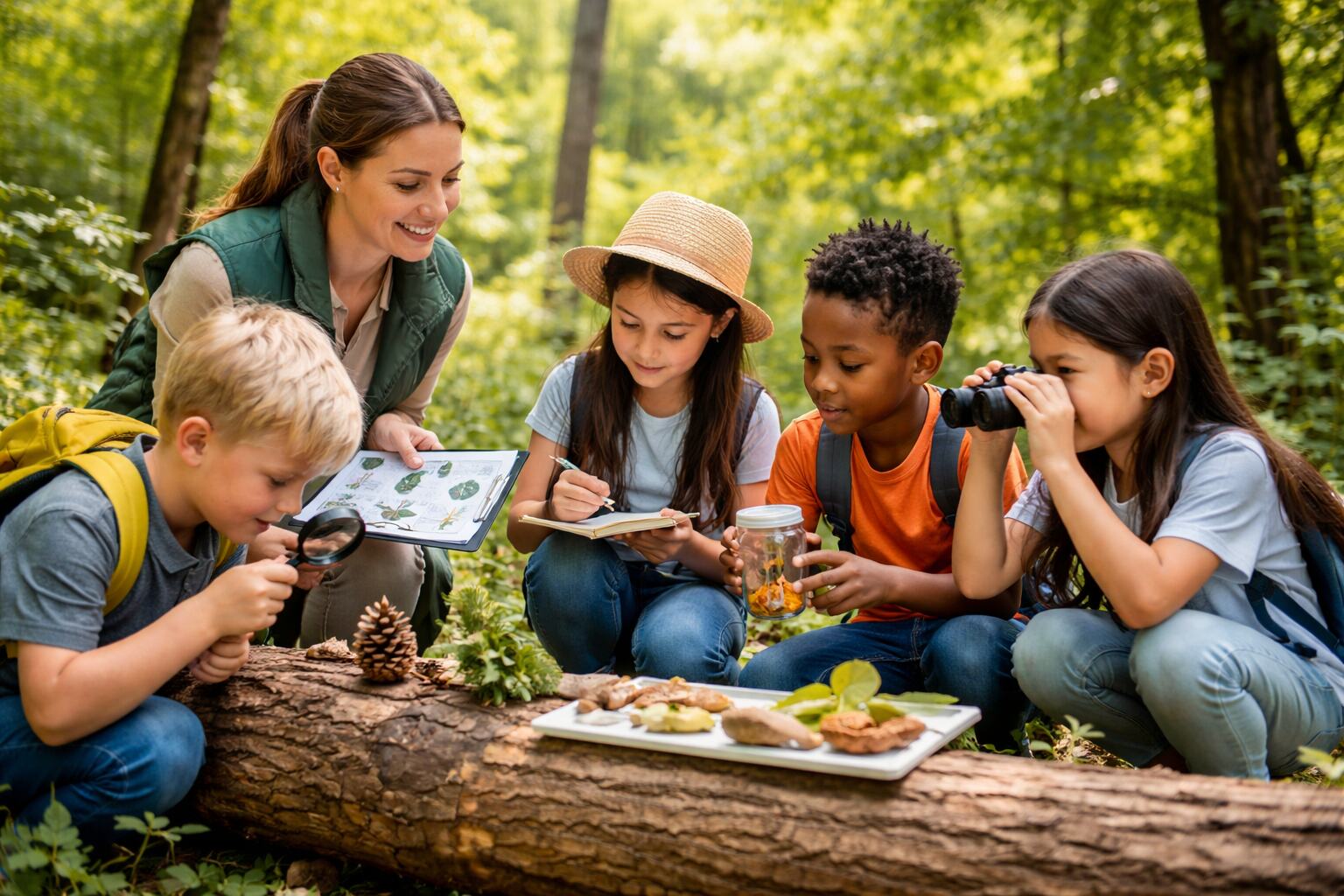
The natural world is teeming with diverse plant life, offering a fantastic opportunity to teach children about botany and ecology. Dedicated plant identification activities can involve learning about the characteristics of different trees, flowers, and shrubs. Children can be encouraged to draw the plants they find, note their features, and perhaps even learn about their uses or ecological roles. Field guides and simple identification charts can be invaluable tools for this exploration.
Creating a Personal Plant Journal
Encouraging children to keep a plant journal allows them to document their discoveries over time. They can sketch plants and write down their observations about leaf shape, flower colour, and where they are growing. This fosters a long-term connection with the plant world and allows them to track seasonal changes.
Exploring the Interconnectedness of Plants and Animals
Beyond individual plant identification, lessons can be learned about the relationships between plants and the animals that depend on them. Discussing pollination, seed dispersal, and the role of plants in providing food and shelter for wildlife can deepen children’s understanding of ecosystems.
Outdoor Math Games: Using Nature to Teach Math Concepts
Mathematics can come alive when it’s grounded in the tangible world of nature. Counting pinecones, measuring the height of a tree using non-standard units (like their hand spans), or creating patterns with found objects like pebbles and leaves can make abstract math concepts concrete and engaging. Geometry can be explored by observing shapes in nature – the circular patterns of ripples in water, the hexagonal structure of a honeycomb, or the triangular shape of leaves.
Measuring and Estimating with Natural Tools
Activities like estimating the number of leaves on a branch or measuring the circumference of a tree trunk using a length of string provide practical applications for mathematical skills. These estimative exercises develop number sense and an understanding of measurement principles.
Nature-Inspired Pattern Recognition
Creating repeating patterns with natural materials like stones, twigs, and flowers introduces children to the concept of sequences and patterns in a fun and creative way. This can extend to identifying patterns in nature itself, such as the arrangement of seeds in a sunflower or the stripes on a fallen log.
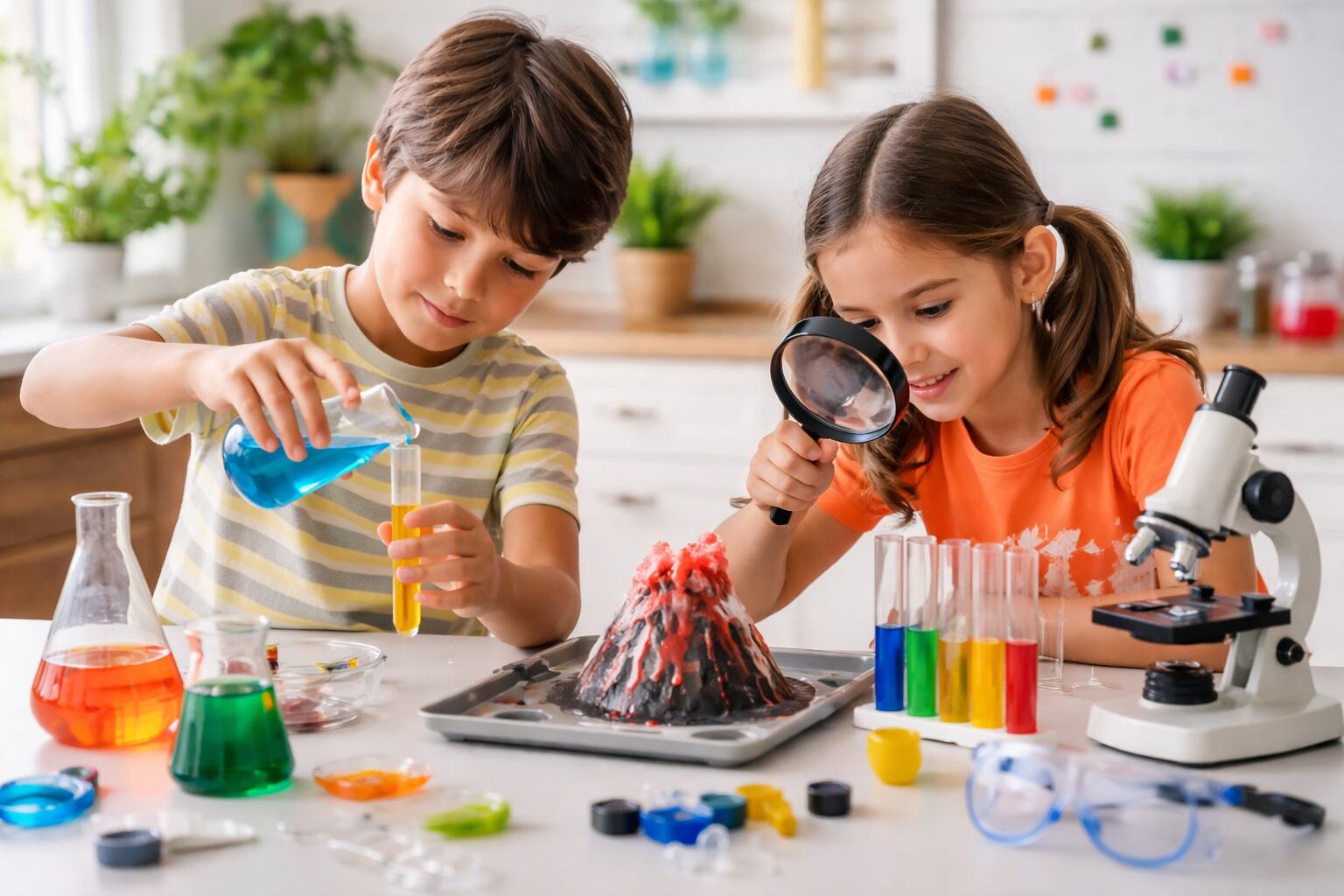
The outdoor classroom is a natural laboratory for scientific exploration. Weather observation, studying insect behaviour, or investigating soil properties are all excellent hands-on science experiments that can be conducted in nature. Children can learn about the water cycle by observing puddles dry up or looking for dew on leaves. They can explore concepts of buoyancy by testing which natural objects float and which sink in a stream or bucket of water.
Observing Wildlife and Ecosystems
Setting up simple “bug hotels” or observing bird feeders can provide opportunities to study local wildlife. Children can learn about animals’ habitats, food sources, and behavioural patterns. Discussions about the interconnectedness of living things within an ecosystem can foster a deeper appreciation for biodiversity.
Simple Physics and Chemistry in Nature
Experiments like creating a sundial to teach about time and the Earth’s rotation, or observing how sunlight affects plant growth, introduce fundamental scientific principles. The natural decomposition of organic matter can also be observed and discussed, leading to discussions about the carbon cycle and the role of decomposers.
Recording and Analyzing Findings
Encourage children to record their observations and findings, whether through drawings, written notes, or even simple data collection sheets. This process of data gathering and analysis is a cornerstone of scientific inquiry and helps them draw conclusions from their experiments.
Nature provides an inexhaustible palette for artistic expression. Children can collect twigs, leaves, stones, and flowers to create sculptures, collages, or ephemeral land art. This type of art is not only creative but also teaches children about the beauty and diversity of natural textures and forms. It also encourages an appreciation for transient beauty, as many natural art projects are designed to be temporary, reflecting the natural cycles of change.
Creating Natural Mandalas and Sculptures
The creation of mandalas using found natural objects allows children to explore symmetry, patterns, and the concept of impermanence. Building sculptures with twigs, leaves, and mud offers a tactile and imaginative way to express their understanding of form and structure.
Leaf Rubbings and Nature Prints
Leaf rubbings, where the texture of a leaf is transferred to paper using a crayon, are a simple yet effective way to learn about the complicated characteristics of foliage. Nature prints, made by pressing inked leaves or flowers onto paper, create beautiful and unique artistic impressions.
Documenting Ephemeral Art
Encourage children to photograph or draw their natural art creations. This records their artistic endeavours and reinforces the notion that fleeting moments and natural processes hold beauty.
The outdoor environment is an ideal setting for fostering collaboration, communication, and leadership skills. Activities like building a shelter using natural materials, navigating a designated area using a map and compass, or participating in a group challenge like a nature-based obstacle course can promote teamwork and highlight individual leadership qualities. These experiences build trust and encourage problem-solving as a group, emphasising the importance of each member’s contribution.
Cooperative Shelter Building
Working together to construct a simple shelter from branches, leaves, and other natural materials demands communication, planning, and resourcefulness. Children learn to delegate tasks, share ideas, and support each other toward a common goal. This activity also subtly introduces principles of engineering and design.
Navigation and Orienteering Challenges
Basic navigation activities can be both fun and educational when they use a map of the immediate outdoor classroom area and a compass. These challenges require team members to communicate directions clearly, interpret spatial information, and work together to reach designated points.
Group Problem-Solving Scenarios
Presenting the group with a hypothetical challenge, such as “how can we safely cross this imaginary stream without touching the water?” and requiring them to use only provided natural materials encourages creative problem-solving and strategic thinking as a team. The emphasis is on the process of collaboration and the generation of multiple solutions.
The outdoor classroom is the most direct way to cultivate environmental awareness. By experiencing nature firsthand, children develop a sense of connection and responsibility toward it. Activities can focus on understanding the impact of human actions on the environment, learning about the importance of recycling and reducing waste, and exploring sustainable practices. Observing pollution in a local stream or discussing the lifecycle of a product can powerfully illustrate these concepts.
Understanding Biodiversity and Habitats
Exploring local habitats, whether a forest floor, a pond edge, or a meadow, allows children to witness biodiversity firsthand. They can learn about the importance of preserving these habitats for the survival of various species and understand the interconnectedness of life.
Waste Reduction and Recycling Initiatives
Engaging children in hands-on waste audits or establishing a compost bin for organic materials from outdoor snack times can make the concepts of waste reduction and recycling tangible. Discussing the lifecycle of materials and the benefits of reuse and repair further solidifies these principles.
Conservation Projects
Participating in small-scale conservation projects, such as planting native wildflowers to support pollinators or cleaning up litter from a local park, instills a sense of empowerment and responsibility. These actions demonstrate that even small efforts can make a positive difference in protecting the environment.
Outdoor Literature Circle: Reading and Discussing Books in Nature
The serene and inspiring setting of the outdoors can enhance the reading experience. Gathering in a circle under a tree to read nature-themed books or stories that encourage environmental reflection can deepen comprehension and foster a love for literature. The natural surroundings can serve as a backdrop that brings the stories to life, sparking discussions and imaginative connections.
Thematic Reading and Discussion
Selecting books that align with the natural environment being explored can create a powerful synergy. Reading stories about woodland creatures while sitting in a forest or tales of the ocean by a lake can enhance engagement and understanding. Post-reading discussions can revolve around the themes explored in the books and their connections to the natural world.
Creative Responses to Literature
After reading, encourage children to respond creatively to the literature. This could involve drawing scenes from the book, writing their nature poems inspired by the story, or acting out parts of the narrative in the natural setting.
History and Geography Lessons in the Outdoor Classroom
Nature can provide a tangible link to the past and present of a place. Exploring local geological formations can teach about Earth’s history. Observing the landscape and discussing how it has changed over time, or learning about the indigenous people who historically inhabited the area and their relationship with the land, can bring history and geography to life. Identifying local landmarks and understanding their geographical significance also becomes more impactful when experienced in situ.
Geological Exploration
Investigating rock formations, understanding erosion patterns, and learning about stratigraphy through observing exposed rock faces can be fascinating geological lessons. Children can collect different types of rocks and learn about their origins.
Understanding Human Impact on Landscapes
Discussing how human activities have shaped the local landscape, from agricultural practices to urban development, helps children understand the interplay between human society and the environment. This can lead to discussions about land use, resource management, and the long-term consequences of