The journey of childhood is an exhilarating, albeit sometimes bumpy, adventure. During this formative period, children encounter a myriad of challenges, from mastering new academic concepts to navigating social dynamics and managing their own emotions. It is precisely through these experiences that the crucial life skill of resilience is forged. Teaching resilience in children is not merely about shielding them from hardship; it’s about equipping them with the inner strength, flexibility, and positive outlook to bounce back from adversity, learn from setbacks, and grow stronger with each hurdle they overcome. This article will delve into the multifaceted approach of cultivating resilience in young minds, with a particular emphasis on the transformative power of a growth mindset and engaging activities that foster these essential qualities.
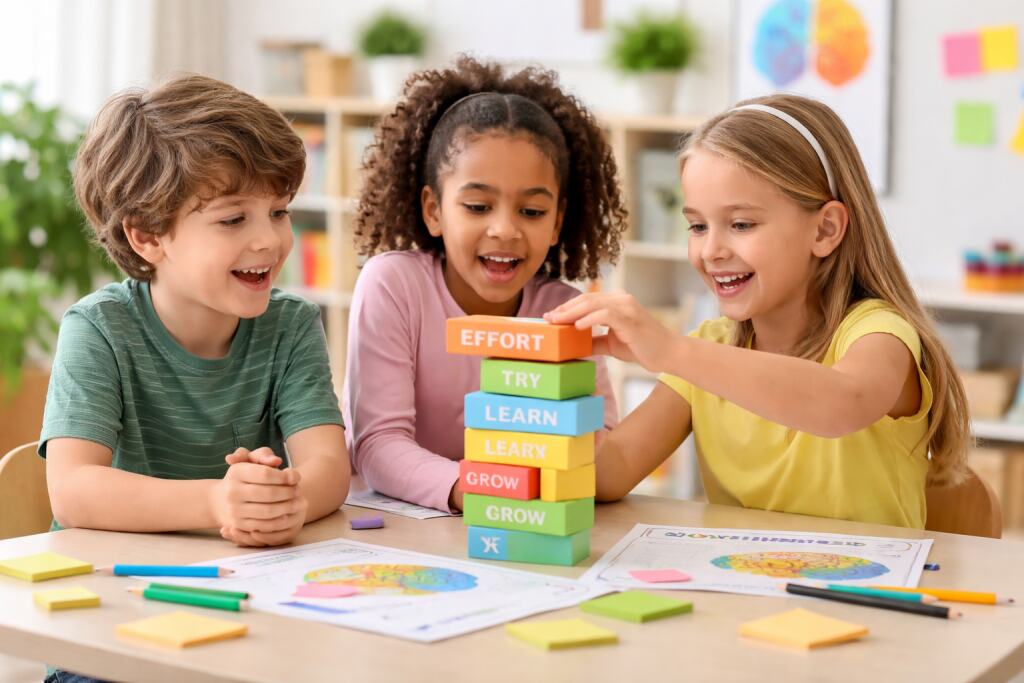
The world children inherit is dynamic and often unpredictable. Equipping them with resilience is akin to providing them with a robust internal compass and a sturdy toolkit. This capacity allows them to not only endure difficult times but to thrive amidst them. Children who are resilient are more likely to be successful in school, maintain healthy relationships, and develop a positive sense of self. They are less susceptible to the paralysing effects of failure, viewing it instead as a valuable learning opportunity. This proactive approach to life’s inevitable ups and downs contributes significantly to their overall well-being and their ability to achieve their full potential. Without resilience, even minor setbacks can feel insurmountable, leading to discouragement and a reluctance to try again. Conversely, a resilient child possesses the grit and determination to persevere, to adapt, and to emerge from challenging situations with a renewed sense of purpose and capability.
Understanding the Foundation: The Growth Mindset Advantage
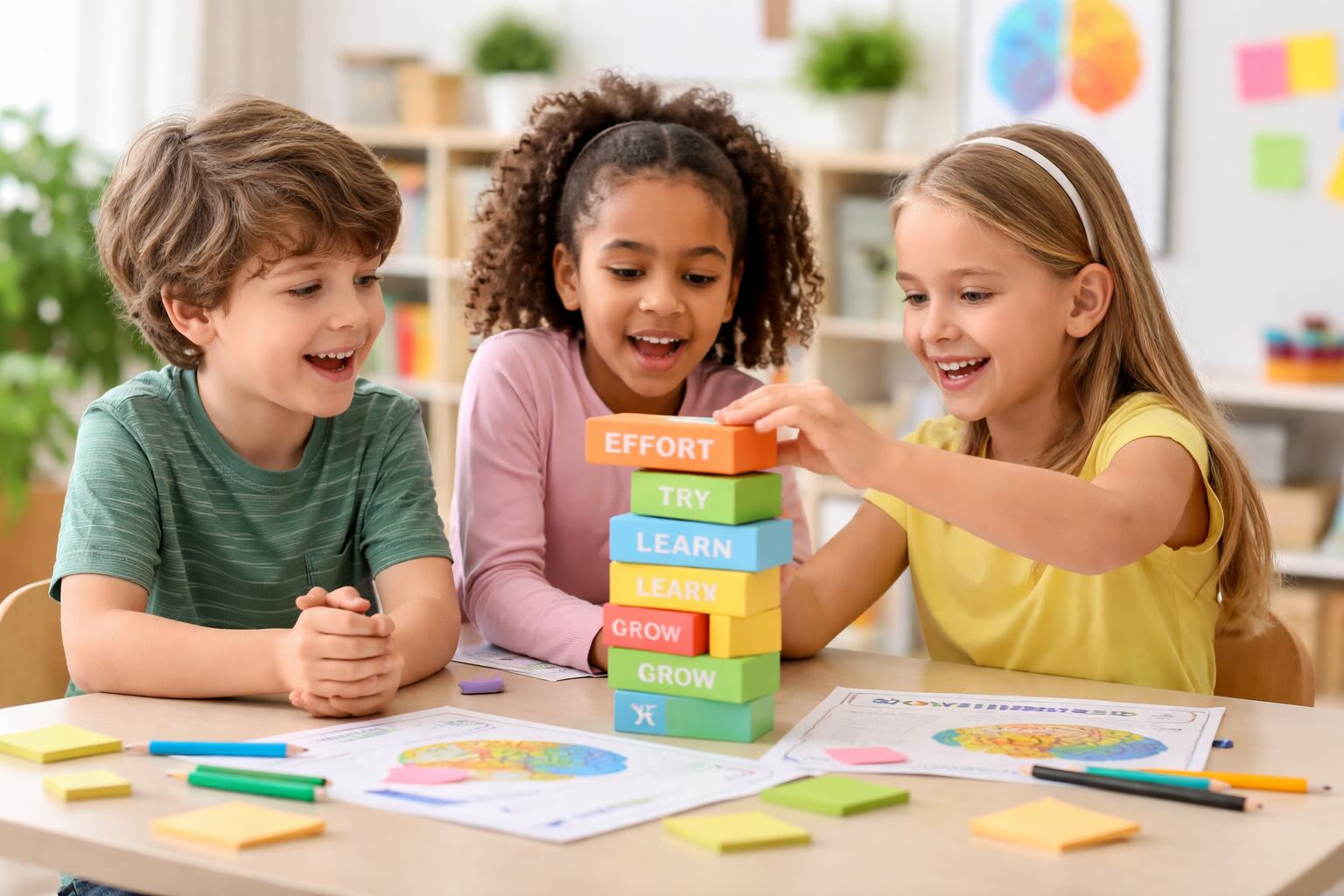
At the heart of fostering resilience lies the concept of a growth mindset, a term popularised by psychologist Carol Dweck. A growth mindset is the belief that our abilities, intelligence, and talents are not fixed traits but can be developed through dedication and hard work. This stands in contrast to a fixed mindset, where individuals believe their qualities are innate and unchangeable. Children with a growth mindset embrace challenges as opportunities to learn and grow, persist in the face of setbacks, see effort as a path to mastery, learn from criticism, and find inspiration in the success of others. This fundamental shift in perspective is a powerful catalyst for resilience. When a child believes that their intelligence can be developed, they are less afraid of making mistakes, as mistakes become stepping stones rather than indicators of inherent limitation. This belief system empowers them to try new things, be open to feedback, and view effort not as a chore but as a direct route to improvement.
In contrast, children with a fixed mindset may shy away from difficult tasks for fear of appearing unintelligent. They might give up easily when faced with challenges, believing they simply “aren’t good at” something. This can lead to a cycle of frustration and self-doubt, hindering their development and their ability to cope with adversity. Therefore, understanding and actively promoting a growth mindset is paramount to building resilient children. It lays the groundwork for them to approach every situation with an open, adaptable, and confident attitude.
Cultivating resilience is an active process, and engaging children in age-appropriate activities is a highly effective way to nurture this essential life skill. These activities provide practical experience in navigating challenges, managing emotions, and developing problem-solving abilities. The goal is to create a supportive environment where children feel safe to experiment, to fail, and to learn from those experiences. By consistently engaging in these types of activities, children begin to internalise the principles of resilience, making them a natural part of their responses to life’s complexities.
Building a Foundation of Self-Belief: Encouraging Confidence and Perseverance in Kids
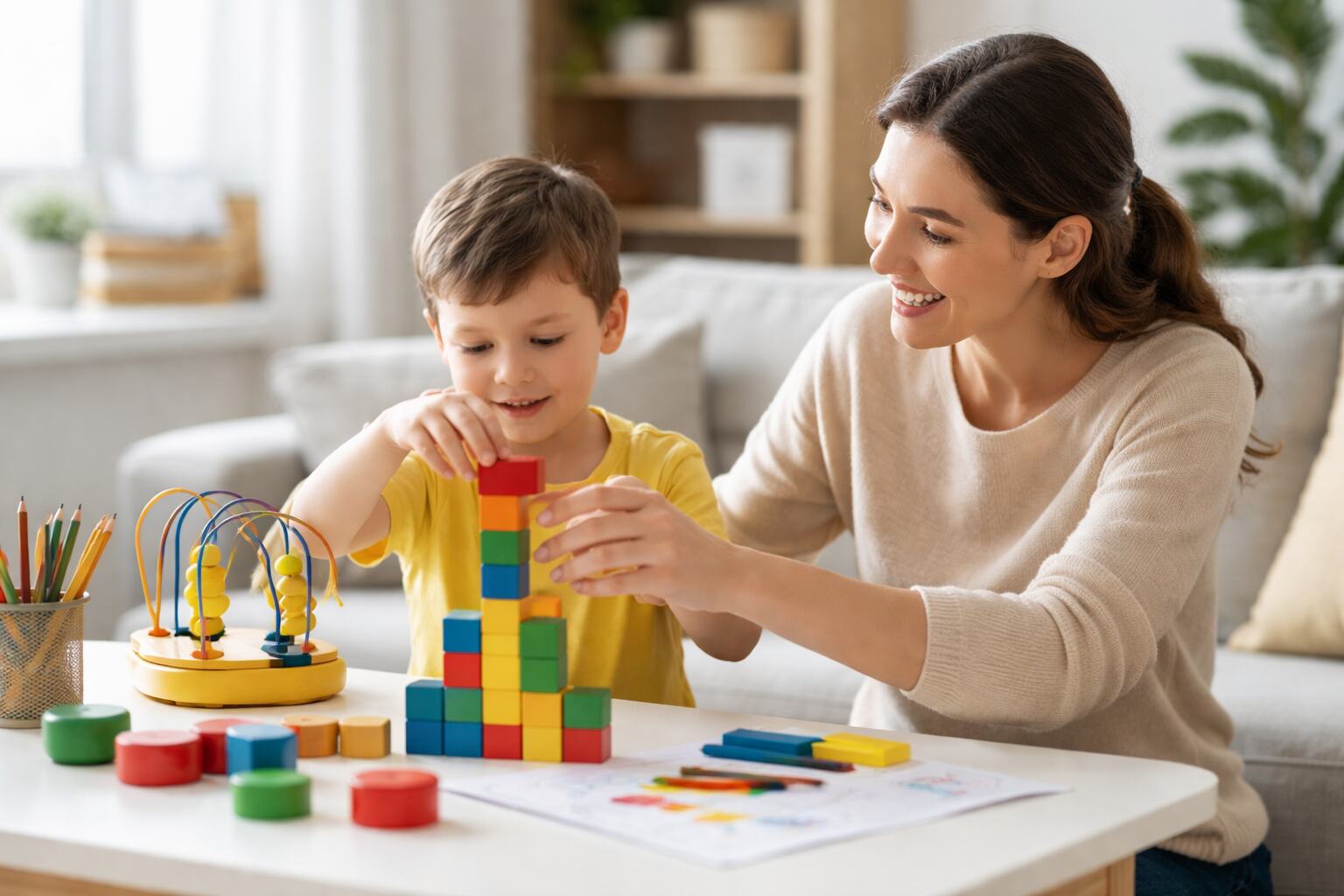
Confidence and perseverance are two pillars of resilience. When children believe in their own abilities, they are more likely to tackle challenges head-on and to continue striving even when faced with obstacles. Activities that focus on achievable goals and celebrate effort, rather than solely outcome, are particularly effective in building this self-assurance. Providing a child with opportunities to master a skill, whether it’s learning to tie their shoelaces, ride a bike, or solve a complex puzzle, builds a sense of accomplishment. These small victories, when consistently reinforced, accumulate to create a strong foundation of self-efficacy. It’s important to acknowledge and praise the effort and persistence shown, not just the final result. For instance, celebrating the fact that a child kept trying to learn a new skill, even after making mistakes, is far more impactful than only praising them when they finally achieve mastery.
Nurturing the Inner Voice: Encouraging Positive Self-Talk and Problem-Solving Skills
The way children talk to themselves profoundly impacts their confidence and their approach to challenges. Encouraging positive self-talk acts as an internal cheerleader, helping them to reframe negative thoughts and maintain motivation. This can be fostered by modelling positive self-talk ourselves and by teaching children phrases like, “I can try my best,” “This is tough, but I can figure it out,” or “Mistakes are how we learn.” Alongside this, developing strong problem-solving skills empowers children to take an active role in overcoming difficulties. Instead of immediately offering solutions, guide them through the process of identifying the problem, brainstorming potential solutions, evaluating those solutions, and implementing a chosen course of action. This empowers them with a sense of agency and competence.
Putting Knowledge into Practice: Developing a Growth Mindset through Interactive Games and Exercises
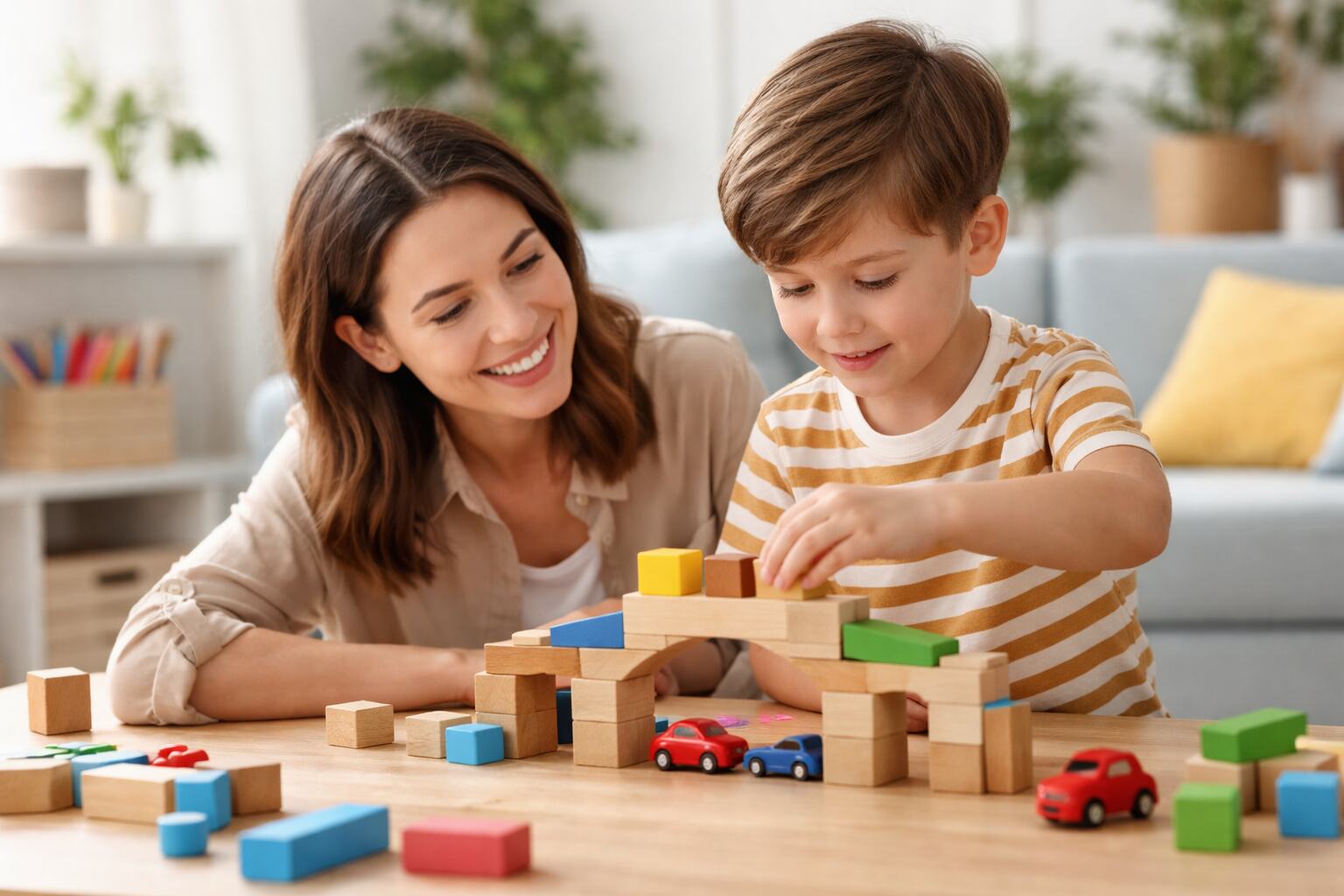
Making learning fun and engaging is key to instilling a growth mindset. Interactive games and exercises provide a low-stakes environment where children can experiment with new strategies, embrace challenges, and learn from mistakes without fear of judgement. Board games that require strategic thinking, puzzles that demand persistence, and collaborative team games that emphasise effort and teamwork are all excellent tools. For instance, a card game where players have to adapt their strategy based on the cards dealt fosters adaptability. Similarly, building challenges with blocks or Lego encourage perseverance and creative problem-solving. The key is to frame these activities as opportunities for learning and growth, emphasising the process and the effort put in, rather than solely focusing on winning or losing.
Mastering the Emotional Landscape: Teaching Emotional Regulation and Coping Strategies
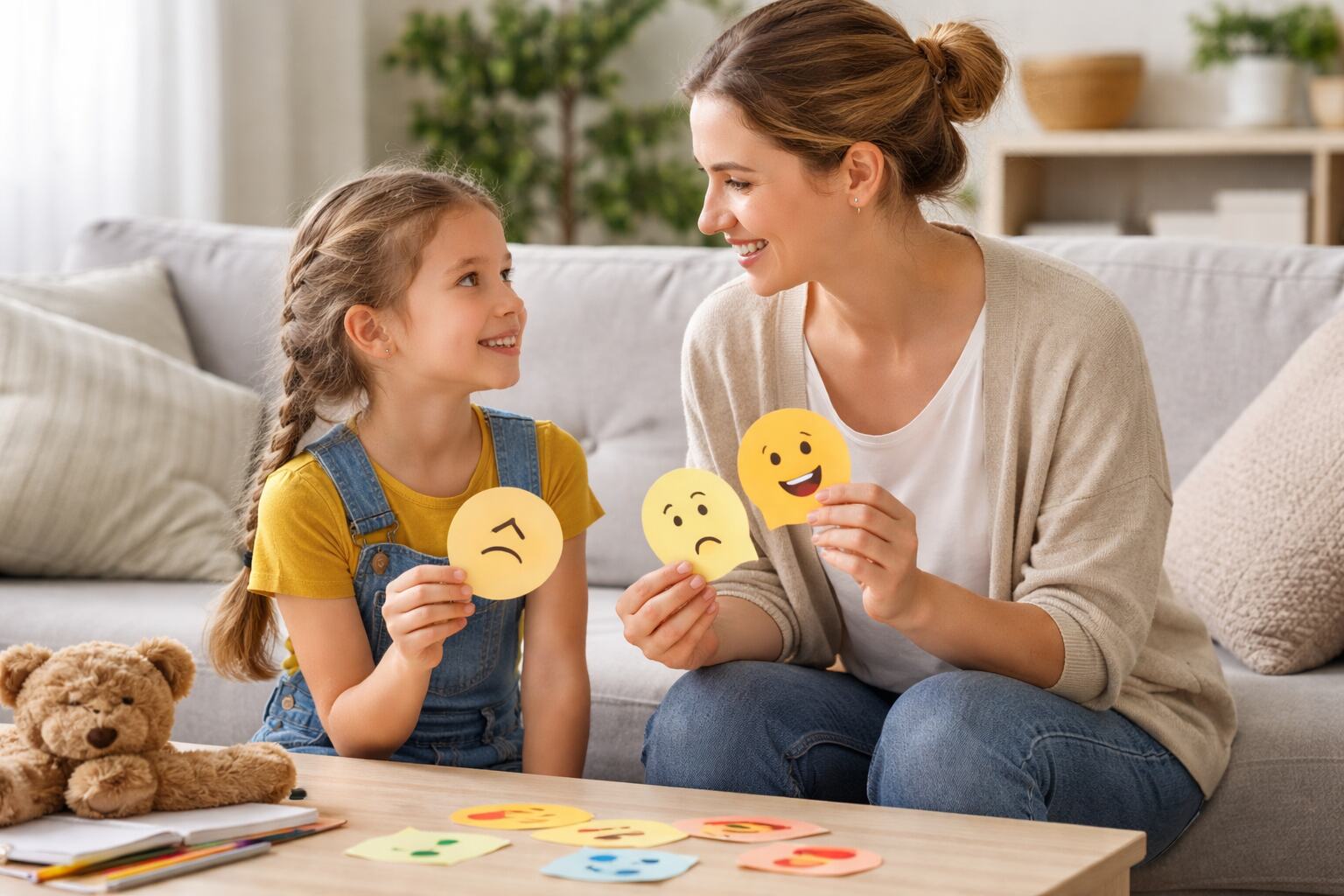
Resilience is deeply intertwined with a child’s ability to understand and manage their emotions. Teaching emotional regulation equips them with the tools to navigate feelings of frustration, anger, disappointment, and sadness in healthy and constructive ways. This begins with helping children identify and label their emotions. Simple activities like drawing faces that express different feelings or using feeling charts can be very helpful. Once emotions are understood, teaching coping strategies becomes the next crucial step. These strategies can include deep breathing exercises, taking a short break, engaging in a calming activity like listening to music or drawing, or talking to a trusted adult. For younger children, having a designated “calm-down corner” with comforting items can provide a safe space to regulate their emotions.
Weaving Resilience into the Narrative: Cultivating a Resilient Attitude through Role-Playing and Storytelling
Children learn immensely from stories and by stepping into different roles. Role-playing allows them to practise navigating challenging social situations, understanding different perspectives, and experimenting with assertive communication. Stories, whether read aloud or created by the children themselves, can illustrate the importance of perseverance, the lessons learned from failure, and the strength that comes from overcoming adversity. Discussing the characters’ challenges and their responses can spark conversations about resilience. For example, reading a story about a character who faces a setback but keeps trying and eventually succeeds can be a powerful lesson. Role-playing scenarios where a child has to manage a conflict with a friend or stand up for themselves can build confidence and equip them with practical strategies for real-life situations.
Unleashing the Inner Artist: Promoting Resilience through Art and Creative Expression
For many children, art and creative expression serve as a powerful outlet for processing emotions and exploring ideas. Engaging in art-related activities can be a wonderfully therapeutic way to build resilience. Through drawing, painting, sculpting, or even imaginative play with open-ended materials, children can externalise their feelings, work through difficult experiences, and celebrate their unique perspectives. The process of creating something from scratch, experimenting with different mediums, and embracing imperfections in their art all parallel the development of resilience. A child who is encouraged to experiment with colours and textures without fear of making a “mistake” in their artwork is also more likely to embrace challenges in other areas of their lives. The focus should be on the journey of creation and the expression of their individuality.
The most effective way to cultivate resilience in children is to create a consistent and supportive environment where these skills are actively practised and reinforced. This means that the principles of resilience should be woven into the fabric of both the classroom and the home. In the classroom, teachers can create a culture that celebrates effort, learning from mistakes, and collaborative problem-solving. This might involve providing constructive feedback that emphasises growth, encouraging students to help each other, and integrating lessons on emotional intelligence. At home, parents and carers play a vital role in modelling resilient behaviours, offering encouragement, and creating opportunities for children to practise these skills. This involves allowing children to experience age-appropriate challenges and providing guidance and support as they navigate them. From the simple act of letting a child try to solve a difficult puzzle independently to discussing the lessons learned from a sporting event where their team didn’t win, every interaction is an opportunity to nurture resilience. It’s about creating a safe space for children to falter, learn, and ultimately, grow into strong, capable, and adaptable individuals ready to embrace whatever life may bring.