The journey of language acquisition is one of the most profound and exciting adventures a child undertakes. A rich vocabulary isn’t merely about knowing more words; it’s the foundation for strong communication, critical thinking, and academic success. In today’s dynamic world, fostering a love for language and equipping children with diverse vocabulary requires more than just memorisation. It demands interactive, engaging, and multifaceted approaches that seamlessly integrate into their daily lives.
One of the most effective strategies for vocabulary expansion is to weave it into the fabric of daily routines. Children are natural observers and learners, and everyday moments offer countless opportunities to introduce and reinforce new words.
The Power of Play and Observation
During playtime, narrate your child’s actions and yours with descriptive language. Instead of simply saying, “Put the block here,” try: “Carefully place the azure block on top of the sturdy tower.” When playing in the park, point out a “majestic” tree or a “glistening” pond. These simple linguistic upgrades transform ordinary play into vocabulary-building sessions. Similarly, involve children in tasks like cooking. As you prepare a meal, describe the “fragrant” herbs, the “choppy” vegetables, or the “simmering” sauce. This sensory-rich context makes new words more memorable and meaningful. Grocery shopping is another treasure trove. Discuss the “succulent” fruits, the “crisp” vegetables, and the “various” types of bread. Encourage your child to identify items and use descriptive adjectives. Even mundane tasks like getting dressed can become word-rich experiences by describing clothing as “cosy”, “dapper”, or “vibrant”.
Conversation as a Catalyst for World Growth
Engaging children in thoughtful conversations is paramount. Don’t shy away from using more sophisticated words, but always be prepared to explain their meaning in simple terms. When a child asks, “What’s that?”, offer more than just a label. For instance, if they point to a butterfly, you might say, “That’s a butterfly, a delicate insect with exquisite wings. It flutters from flower to flower.” Encourage them to elaborate on their thoughts and feelings. Ask open-ended questions that require more than a simple “yes” or “no” answer. Prompt them to describe their day, their favourite toy, or a recent experience using new words they’ve encountered. These guided conversations help children internalise new vocabulary by actively using it in context. Furthermore, when disagreements arise or problems need solving, guide them through expressing their emotions and solutions using a broader range of words. This builds vocabulary and develops emotional intelligence.
In the digital age, technology can be a powerful ally in vocabulary development, offering engaging and immersive experiences that traditional methods sometimes cannot.
Engaging Apps and Educational Games
Many educational apps and online games specifically target vocabulary expansion. Look for apps that offer interactive word puzzles, matching games, storytelling activities, and virtual explorations that introduce new concepts and associated terminology. Many apps incorporate rich visuals, animations, and auditory prompts, catering to different learning styles. For instance, some apps might present a new word, show an image representing it, use it in a sentence, and then challenge the child to use it in their sentence or identify it in a story. When selecting apps, prioritise those that are age-appropriate, offer positive reinforcement, and are free from excessive advertisements. Interactive storybooks on tablets can highlight new words and provide definitions with a simple tap, transforming reading into an active vocabulary-building exercise.
Virtual Field Trips and Thematic Learning
Technology allows for virtual field trips to museums, zoos, and historical sites, opening up a world of new vocabulary. Exploring a virtual dinosaur exhibit can introduce words like “prehistoric”, “carnivore”, “herbivore”, and “extinct”. A virtual tour of the ocean can teach terms like “marine”, “coral reef”, “bioluminescent”, and “mammal”. These immersive experiences provide visual and contextual cues that make new words more concrete and memorable. When engaging in these virtual explorations, encourage discussion, asking questions that prompt the use of specific vocabulary related to the theme. Follow up with activities like drawing or writing about what they saw, further reinforcing the learned words.
The home environment has a major effect on a child’s linguistic abilities. A conscious effort to create a language-rich atmosphere can significantly boost vocabulary growth.
The Magic of Reading Aloud and Storytelling
Reading aloud to children is arguably one of the most impactful activities for vocabulary expansion. Picture books, chapter books, and even non-fiction texts expose children to a vast array of words they might not encounter in everyday conversation. Don’t just read the words; discuss them. Pause to explain unfamiliar terms, ask predictive questions, and encourage children to retell parts of the story in their words. Storytelling, both by parents and children, is equally powerful. Making up stories together encourages imaginative language use and the exploration of new descriptive words. Provide props or puppets, to inspire spontaneous narratives, and prompt children to describe characters, settings, and events in detail. This active engagement with stories strengthens comprehension and allows for organic vocabulary acquisition.
Labeling and Visual Reinforcement
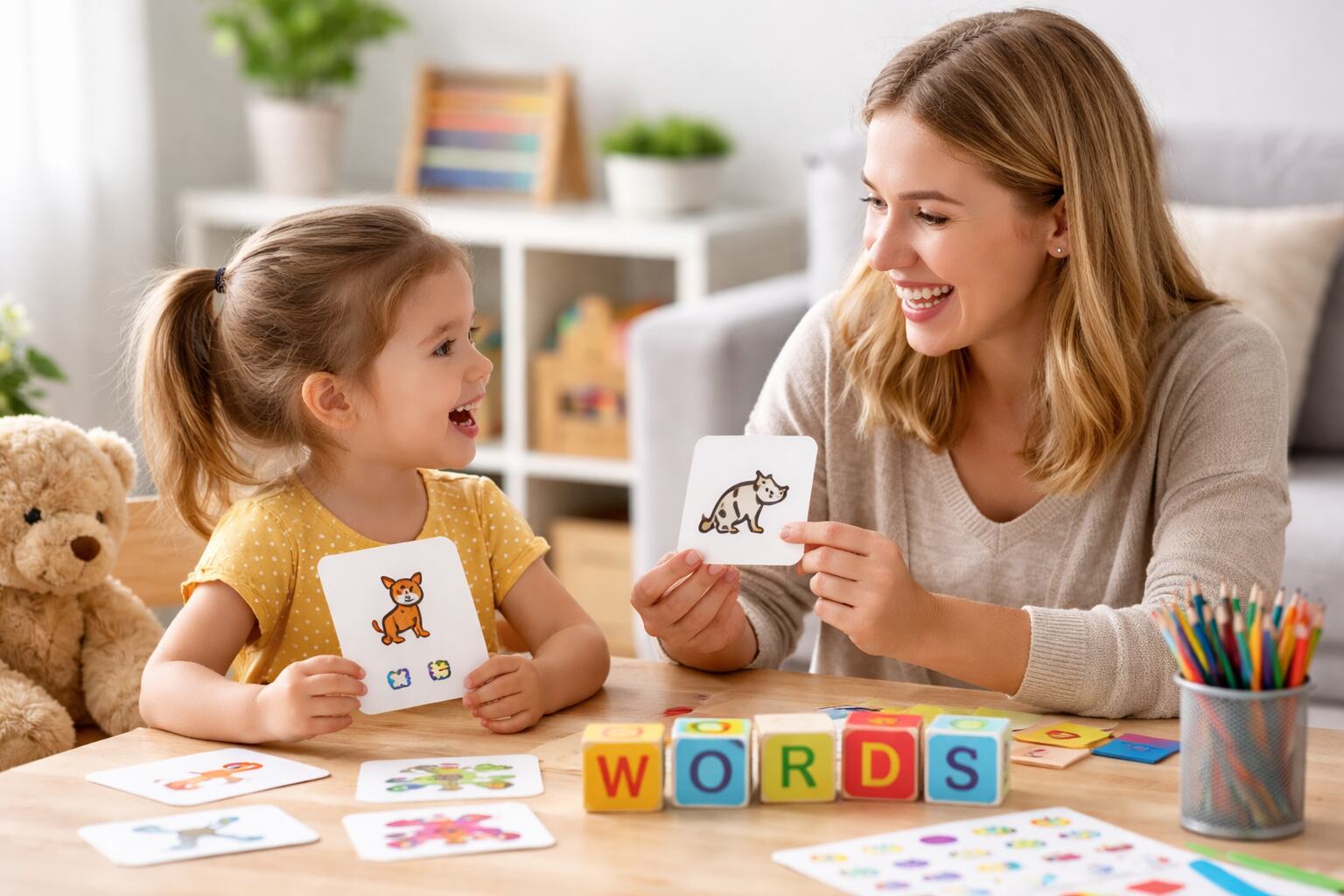
utiliseVisually labeling objects around the house with their names, especially for younger children, can be a simple yet effective strategy. For example, place a label with “mirror” on the mirror, “refrigerator” on the fridge, and “chair” on a chair. As children grow, these labels can become more descriptive, such as “shiny mirror,” “cold refrigerator,” or “wooden chair”. Beyond simple labels, utilize visually rich resources like posters, flashcards, and picture dictionaries. Point out new words in magazines, brochures, or even on food packaging. These visual aids provide concrete representations that help solidify the meaning of new words, particularly for visual learners. Creating a “word wall” in a child’s room where new and intriguing words are displayed can be a fun and interactive way to reinforce vocabulary. Encourage children to add words they encounter and illustrate them.
The key to successful vocabulary expansion in children lies in making the process enjoyable and interactive, transforming it from a chore into a delightful discovery.
Interactive Games and Playful Exploration
Games are powerful tools for learning. Word games like “I Spy” can be adapted to focus on descriptive vocabulary. Instead of “I spy something red with my little eye,” try “I spy something crimson and smooth.” Charades or Pictionary can be used to act out or draw new words, making their meanings tangible and memorable. Creating a “vocabulary jar” where new words are written on slips of paper and then drawn out for discussion or use in a sentence can be a fun family activity. Scrabble Junior or Bananagrams introduce children to spelling and word formation in a playful context, naturally expanding their vocabulary. Even simple puzzles that require matching words to pictures or definitions contribute to vocabulary growth.
Thematic Adventures and Role-Playing
Design thematic weeks or weekends around specific topics like “under the sea”, “space exploration”, or “ancient Egypt”. During these adventures, introduce vocabulary relevant to the theme through books, documentaries, crafts, and imaginative play. For instance, an “under the sea” theme could involve learning words like “reef”, “kelp”, “buoyant”, and “gill”. Role-playing games are exceptional for practising new words in context. Whether it’s playing doctor, chef, or explorer, children can adopt new personas and naturally incorporate new vocabulary into their dialogue. Encourage them to explain their actions and use descriptive language to enhance the role-playing experience. These immersive approaches make vocabulary acquisition an adventure rather than a lesson.
By integrating these diverse and interactive strategies into a child’s daily life, parents and educators can cultivate a profound love for language and equip them with a rich and robust vocabulary, unlocking a world of communication, understanding, and endless possibilities.