The modern world demands more than just rote memorisation; it thrives on individuals who can approach challenges with fresh perspectives and innovative solutions. Cultivating this ability from an early age is paramount for a child’s future success and well-being. Teaching kids to think outside the box isn’t about abandoning established knowledge, but rather about equipping them with the mental agility to navigate complexities, adapt to change, and ultimately, to innovate. This foundational skill, problem-solving, is woven into the fabric of everyday life, from deciphering a tricky puzzle to collaborating on a group project. By nurturing this capability early on, we are investing in a generation of adaptable, resourceful, and empowered individuals.
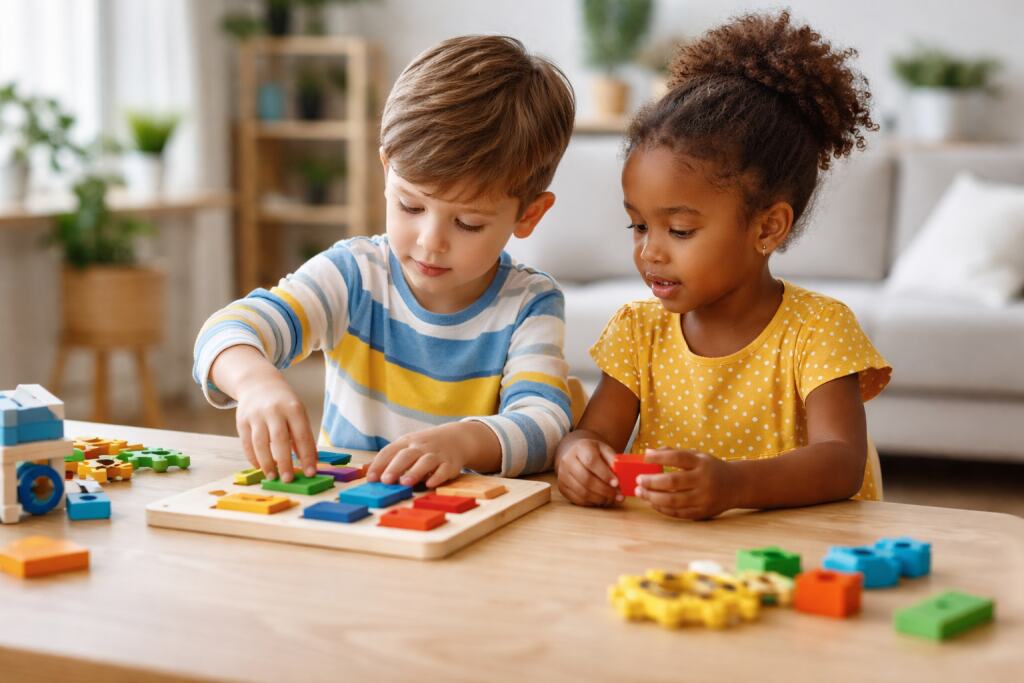
The ability to think outside the box is intrinsically linked to the development of robust problem-solving skills. It’s the engine that drives creativity and innovation, allowing individuals to move beyond conventional answers and explore novel approaches. In a rapidly evolving global landscape, where industries are constantly disrupted and new challenges emerge with unprecedented speed, this skill is no longer a luxury but a necessity. Children who are encouraged to question, to explore alternative perspectives, and to experiment without fear of failure are better prepared to face the uncertainties of the future. They develop the confidence to tackle complex issues, find unique solutions, and contribute meaningfully to society.
The Ever-Shifting Landscape of the 21st Century
The demands placed upon individuals in the 21st century are significantly different from those of previous generations. Automation, artificial intelligence, and globalisation are reshaping the job market, making adaptability and the capacity for continuous learning crucial. Problems are rarely simple or linear; they are often multifaceted and interconnected and require a nuanced understanding to address effectively. Children who possess strong problem-solving skills, nurtured through outside-the-box thinking, are better equipped to understand these complexities and to devise creative, effective solutions. They are not merely recipients of information but active creators of knowledge and solutions.
Beyond the Textbook: Practical Applications of Creative Problem-Solving Solving
While academic knowledge is important, its true value is amplified when children can apply it creatively to real-world scenarios. Thinking outside the box empowers them to see connections between seemingly disparate ideas, to approach problems from multiple angles, and to generate a wider range of potential solutions. This leads to more innovative outcomes, whether it’s finding a new way to organise their toys, devising a strategy to overcome a playground disagreement, or contributing to a classroom project. The ability to think creatively allows them to transcend the limitations of predefined answers and forge their own paths to resolution.
Building Resilience Through Creative Solutions
The journey of problem-solving often involves encountering obstacles and setbacks. When children are encouraged to think creatively, they learn to view these challenges not as dead ends, but as opportunities for innovation. They develop resilience by experimenting with different approaches, learning from mistakes, and iterating on their ideas. This process fosters a sense of agency and empowers them to approach difficulties with a proactive and optimistic mindset, understanding that challenges can be overcome with ingenuity and persistence.
The good news is that the capacity for creative problem-solving is not an innate talent possessed by a select few; it is a skill that can be actively nurtured and developed from an early age. Educators and parents play a vital role in creating an environment where curiosity is celebrated, experimentation is encouraged, and diverse perspectives are valued. By implementing thoughtful strategies, we can empower children to become confident and capable problem-solvers, ready to face the world with ingenuity.
Embracing the Power of Play-Based Learning
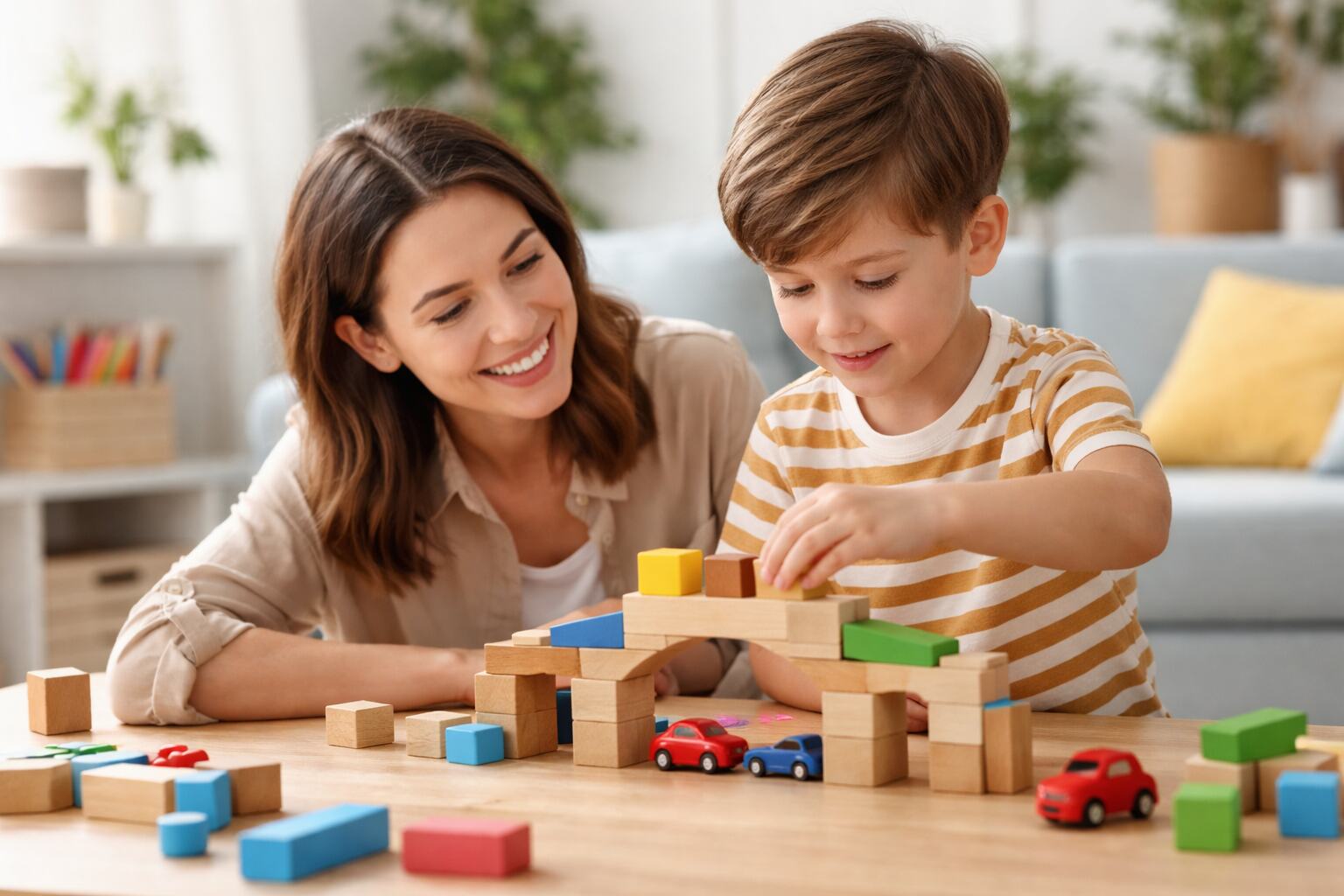
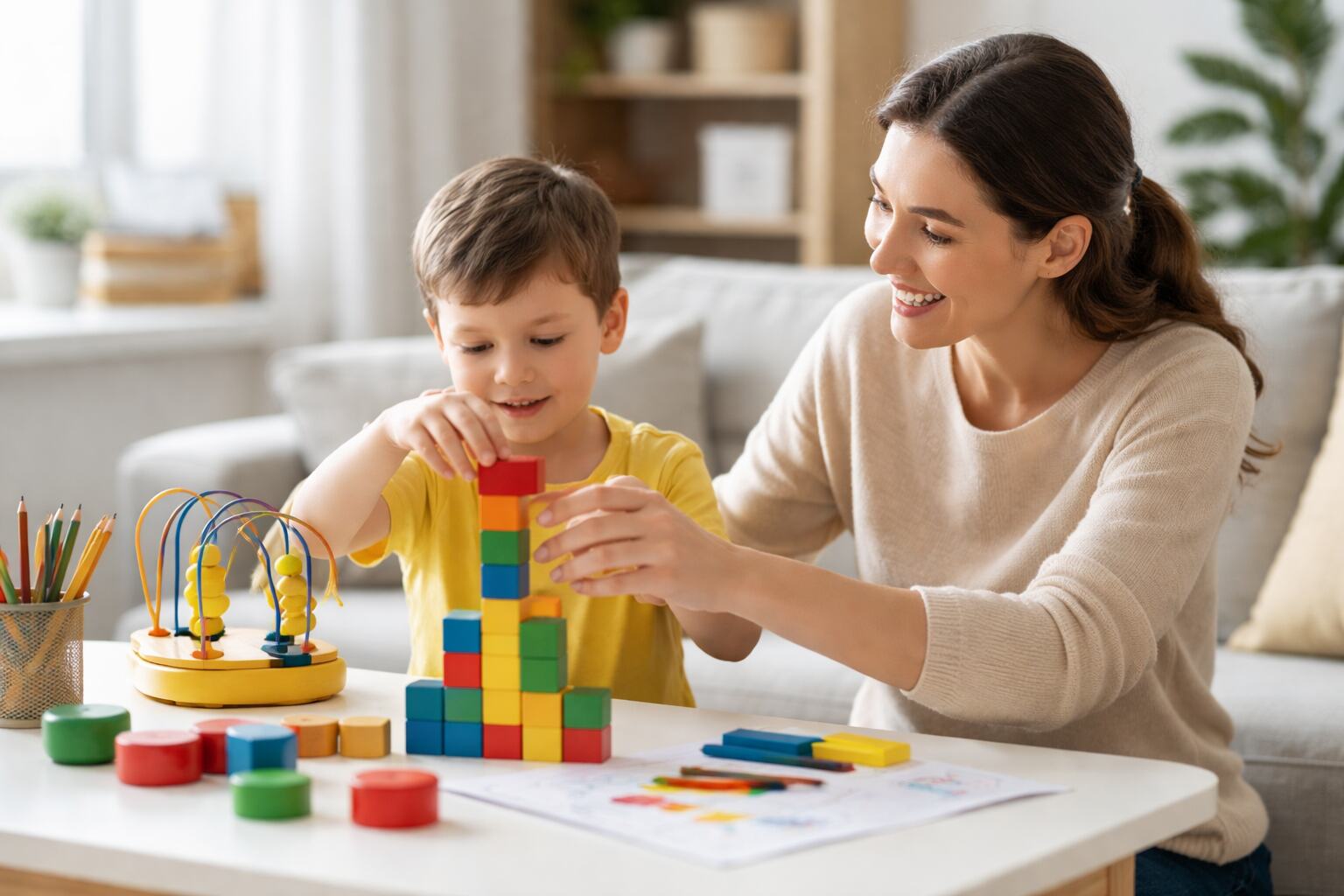
Play is not just recreation for children; it is their primary mode of learning and exploration. Through imaginative play, children naturally engage in problem-solving. Building with blocks, creating elaborate scenarios with dolls, or navigating a pretend obstacle course all require critical thinking, planning, and adaptation. When children are given the freedom to direct their own play, they encounter challenges organically and devise their own solutions, fostering a sense of agency and creative exploration. This hands-on, experiential learning is far more impactful than rote instruction when it comes to developing these essential skills.
The Foundation of Learning: Incorporating Critical Thinking into Early Education
Critical thinking is the bedrock upon which creative problem-solving is built. It involves the ability to analyse information, evaluate evidence, make reasoned judgements, and form logical conclusions. In early childhood education, this can be integrated through activities that encourage questioning, comparison, and reasoning. Asking “why?” and “how?” about everyday phenomena, discussing different possibilities for a story’s ending, or comparing and contrasting objects helps children develop the analytical skills needed to dissect problems before devising solutions.
Nurturing a Growth Mindset in Young Learners
A crucial element in fostering creative problem-solving is cultivating a growth mindset. This is the belief that abilities and intelligence can be developed through dedication and hard work. Children with a growth mindset see challenges as opportunities to learn and grow, rather than as indicators of their limitations. Praising effort, the process, and learning from mistakes, rather than solely focusing on outcomes or innate talent, encourages this crucial perspective. This fosters a willingness to take risks and persist in the face of difficulty, essential for innovative thinking.
Cultivating Creativity and Innovation in the Classroom
The classroom environment can be a fertile ground for cultivating creativity and innovation. Educators can achieve this by posing open-ended questions that have multiple possible answers, encouraging brainstorming sessions where all ideas are welcomed, and providing opportunities for collaborative projects that require diverse perspectives. Creating a safe space where mistakes are viewed as learning opportunities, rather than failures, is paramount. This shift in perspective allows children to experiment more freely and to push the boundaries of their thinking.
Design thinking provides a structured yet flexible framework for approaching problems with a human-centred and empathetic lens. It’s a powerful methodology that can be effectively introduced to children, empowering them to become active participants in solving challenges. By engaging in this process, kids learn to empathise with others, to define problems clearly, to ideate multiple solutions, to prototype their ideas, and to test and refine them. This hands-on, iterative approach makes problem-solving tangible and engaging.
Empathize, Define, Ideate: The Initial Steps of Design Thinking
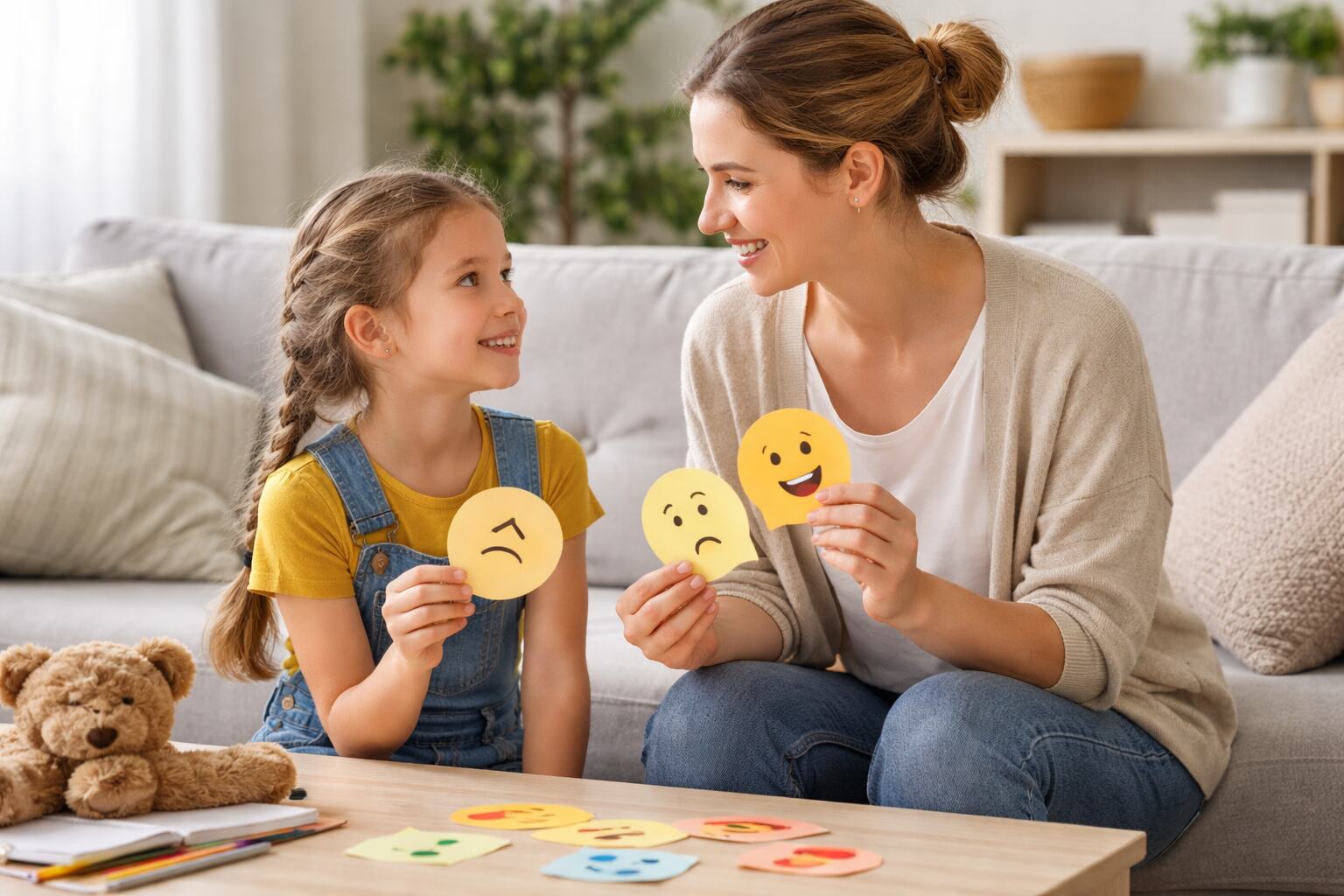
The empathy stage of design thinking involves understanding the needs and perspectives of those affected by a problem. This can be taught through role-playing, storytelling, and open discussions about feelings and experiences. Once a problem is understood, the next step is to define it clearly, not as a general issue, but as a specific challenge to be addressed. This often leads to “How might we…” questions that open up a vast landscape of possibilities. The ideation phase is all about generating a wide range of potential solutions without judgement, encouraging wild and imaginative ideas.
From Ideas to Tangibles: Prototyping and Testing
Translating abstract ideas into tangible forms is a crucial part of design thinking. This is where children get to build, draw, act out, or create representations of their proposed solutions. Prototyping doesn’t need to be elaborate; it can be a simple drawing, a cardboard model, or a role-playing scenario. The testing phase is equally important. It involves sharing these prototypes with others, gathering feedback, and observing how well they address the defined problem. This iterative process of building, testing, and refining is at the heart of innovative problem-solving.
The influence of parents in fostering a child’s creative thinking skills is profound and far-reaching. The home environment can be a sanctuary for experimentation, curiosity, and imaginative exploration. By actively creating opportunities and providing the right kind of support, parents can significantly shape their child’s ability to think outside the box and solve problems effectively. This partnership between home and school amplifies the impact of these crucial developmental skills.
Creating an Environment of Curiosity and Exploration
Parents can foster curiosity by encouraging questions, no matter how simple, and by providing opportunities for exploration. This might involve giving children access to a variety of materials for building and creating, engaging in nature walks to observe the world around them, or visiting museums and libraries. Allowing children to tinker, to take things apart (within reason and safety), and to experiment with different approaches to tasks helps them develop a proactive and problem-solving mindset. Offering a sense of freedom to explore within safe boundaries is key.
Encouraging Risk-Taking and Resilience in Problem Solving
Creative problem-solving often involves taking risks and learning from failure. Parents can support this by refraining from immediately jumping in to solve every problem for their child. Instead, they can offer guidance and ask prompting questions that encourage the child to think through solutions themselves. Celebrating effort and persistence, even when a desired outcome isn’t immediately achieved, helps children develop resilience. It teaches them that setbacks are not endpoints but opportunities for learning and growth, reinforcing the belief that they can overcome challenges through determination and creativity.
The skills developed through teaching kids to think outside the box and build problem-solving capabilities are not just beneficial in childhood; they are foundational for lifelong success and fulfilment. These abilities empower individuals to navigate a complex world with confidence, to adapt to change with agility, and to contribute meaningfully to their communities. Investing in these skills early on is an investment in a generation of innovative thinkers, adaptable workers, and engaged citizens.
Lifelong Adaptability and Innovation
Children who are adept at problem-solving and creative thinking are inherently more adaptable. They can approach new situations with a sense of confidence, knowing they possess the tools to analyse, strategise, and find solutions. This adaptability is crucial in a world characterised by constant change. Furthermore, these skills are the bedrock of innovation, enabling individuals to identify unmet needs, develop novel solutions, and drive progress in all fields.
Enhanced Academic and Professional Success
The ability to think critically and creatively and solve problems effectively is highly valued in academic and professional settings. Students who can approach assignments with original ideas and devise unique solutions often excel in their studies. In the workforce, individuals who can tackle complex challenges, think strategically, and contribute innovative solutions are sought after and highly rewarded. These are the employees who drive progress and lead organisations.
Fostering Well-Rounded and Empowered Individuals
Beyond academic and professional achievements, developing problem-solving skills contributes to a child’s overall well-being and empowerment. They learn to trust their own judgement, to approach challenges with a positive attitude, and to persevere through difficulties. This builds confidence, self-reliance, and a sense of agency, leading to more fulfilled and empowered individuals who are capable of navigating life’s inevitable complexities with grace and ingenuity. They are better equipped to advocate for themselves, to build strong relationships, and to contribute positively to the world around them.