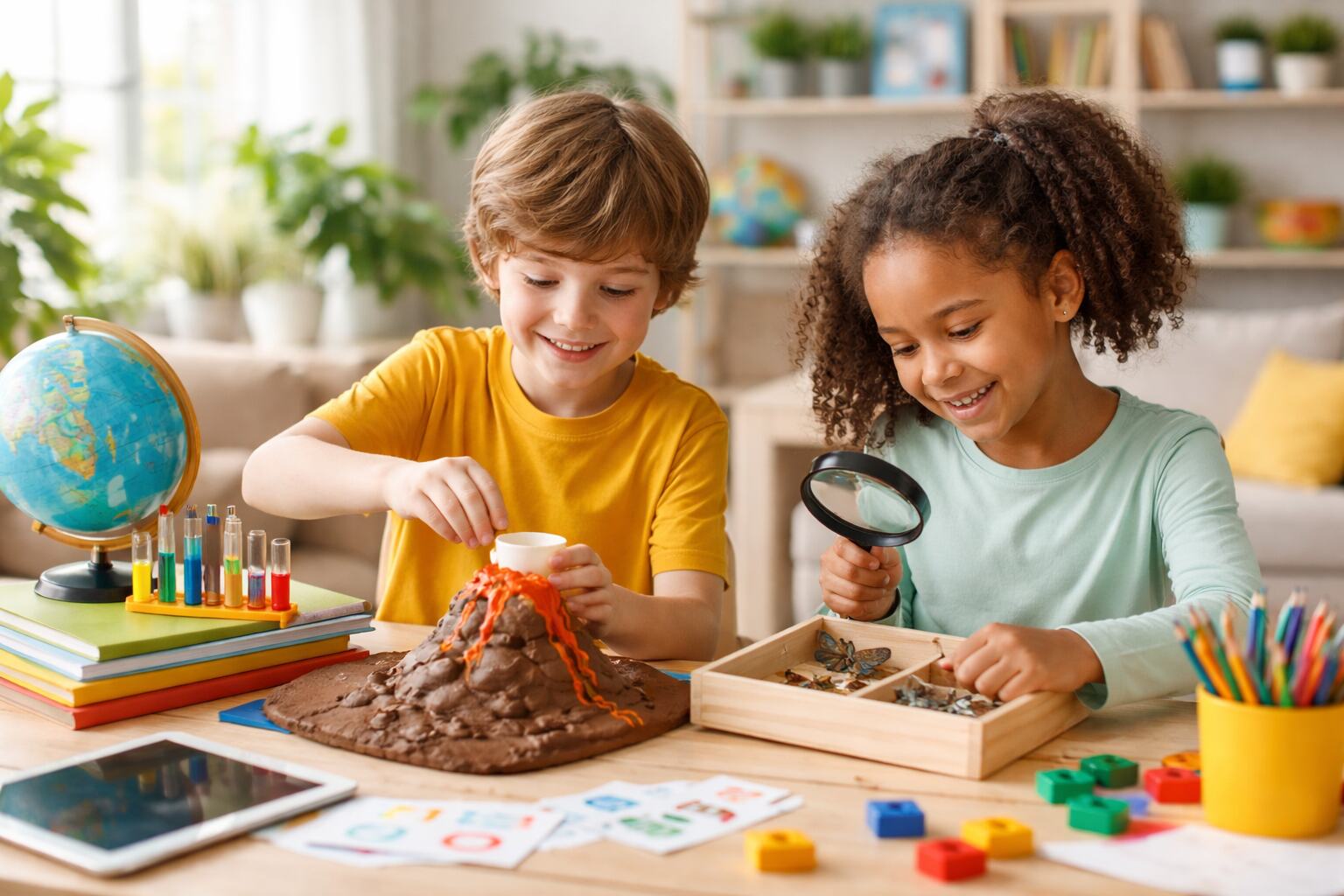
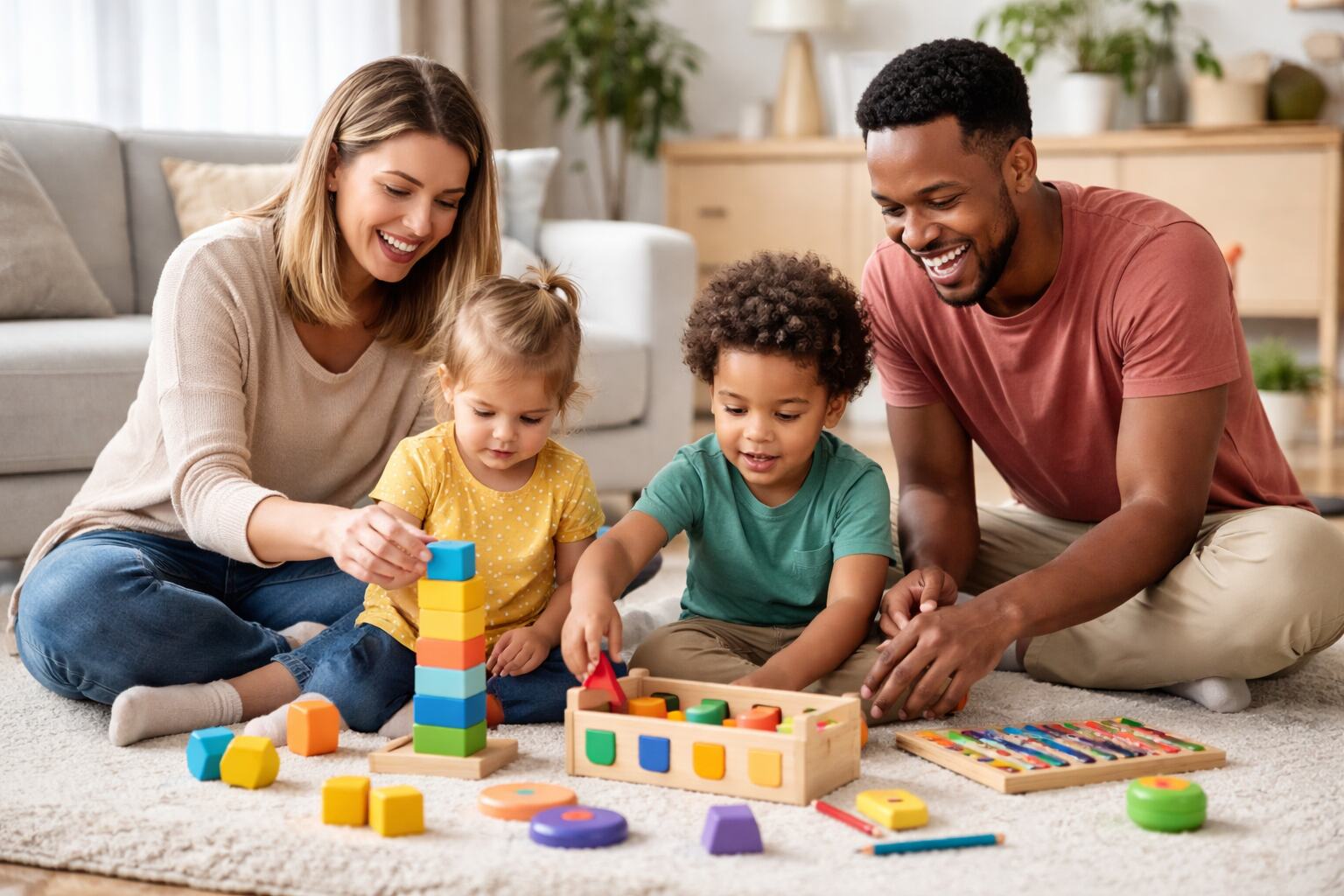
In an increasingly digital world, where screens often mediate our interactions, the classic board game holds a timeless charm, offering a tangible space for connection, laughter, and shared discovery. Educational board games, in particular, transcend mere entertainment, weaving learning seamlessly into play and providing a powerful avenue for strengthening family bonds. These engaging activities offer a different type of intellectual stimulation and social interaction, fostering an environment where every member, from the youngest to the oldest, can thrive.
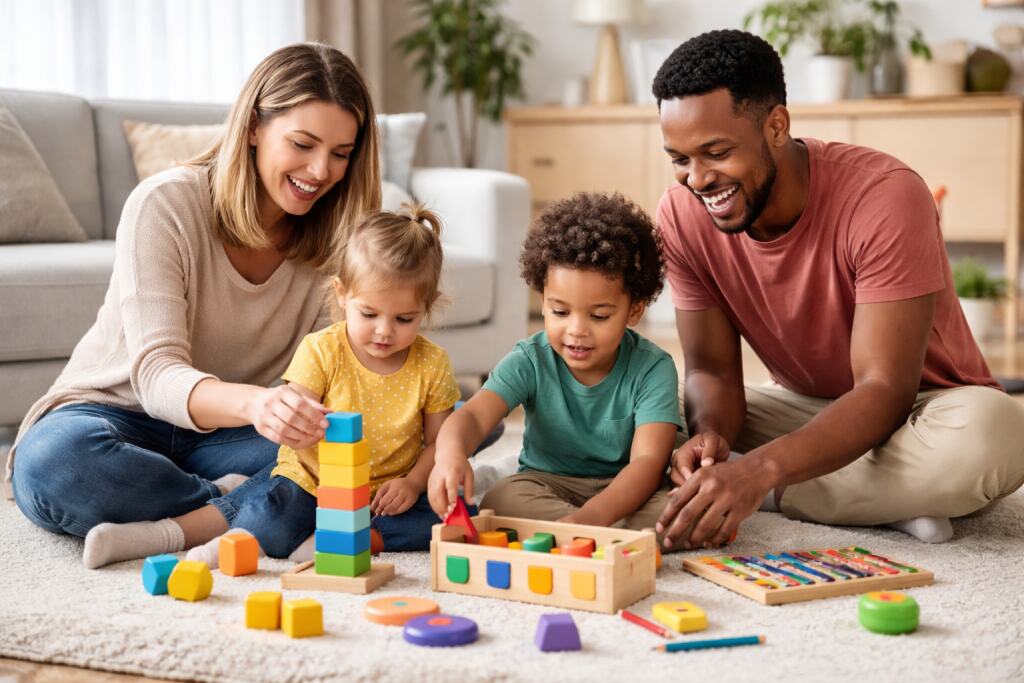
Educational board games are far more than just a pastime; they are catalysts for meaningful family engagement. When families gather around a board game, they are not just competing or cooperating; they are embarking on a shared journey of exploration and understanding. This collective experience creates an array of memories, woven with moments of triumph, strategic thinking, and good-natured banter. The inherent educational value of these games often goes unnoticed amidst the fun, yet it quietly underpins the entire experience, enriching minds while uniting hearts.
Fostering Communication and Collaboration
At the heart of any strong family lies effective communication and the ability to work together toward common goals. Educational board games intrinsically promote these vital skills. Whether it’s a cooperative game where players must strategise as a team to overcome a challenge or a competitive one where players negotiate trades and explain their reasoning, dialogue is paramount. Children learn to articulate their thoughts, listen to others’ perspectives, and compromise. Parents can model active listening and demonstrate how to respectfully disagree, turning potential conflicts into opportunities for growth. This constant interplay of ideas and strategies strengthens verbal and non-verbal communication within the family unit, creating a more open and understanding dynamic.
Cultivating Critical Thinking and Problem-Solving
Beyond simple memorisation, educational board games are masterclasses in critical thinking and problem-solving. Each turn presents a new puzzle, a new decision point that requires analysis, foresight, and adaptability. Games that involve resource management, strategic planning, or deductive reasoning challenge players to think several steps ahead, weigh various options, and anticipate the consequences of their actions. These cognitive workouts are not confined to the game board; the skills honed during play naturally translate to real-life situations. Children develop a more analytical mindset, becoming adept at breaking down complex problems into manageable parts and devising creative solutions. Parents, too, can sharpen their own strategic thinking, proving that learning is a lifelong journey.
The power of educational board games resides in their capacity to eliminate the stressors of daily life and establish an equitable environment where all individuals can engage and contribute. This shared experience, free from the usual hierarchies, allows for genuine connection and understanding.
Bridging Generational Gaps
One of the most remarkable benefits of educational board games is their capacity to bridge generational gaps. A well-chosen game can captivate a curious kindergartener as much as it challenges a seasoned grandparent. The rules become the common language, and the objectives provide a shared purpose. This intergenerational play allows for a natural exchange of knowledge and perspectives. Children can teach their elders new strategies, and parents can guide their children through complex concepts, fostering mutual respect and appreciation. These interactions create a unique space for bonding, where age differences dissolve, and everyone is simply a player in the game.
Nurturing Emotional Intelligence and Resilience
Educational board games often present situations that require players to manage their emotions, learn from mistakes, and adapt to changing circumstances. Losing a game gracefully, celebrating a victory humbly, or figuring out a new strategy after a setback all contribute to the development of emotional intelligence and resilience. Children learn the importance of perseverance, the value of sportsmanship, and how to cope with frustration. Parents can guide these emotional journeys, offering encouragement and teaching valuable lessons about managing emotions in a low-stakes environment. These experiences, though seemingly small, build character and equip individuals with essential life skills.
To truly unlock the potential of educational board games for family bonding and learning, careful consideration is needed when selecting the right titles and integrating them into family routines.
Tailoring Game Choices to Age and Interests
The vast landscape of educational board games offers something for every age and interest. For younger children, games focused on colour recognition, counting, and simple matching can be incredibly engaging. As children grow, games with more complex rules, strategic elements, and factual content (history, science, geography) become suitable. It’s also crucial to consider the family’s collective interests. If there’s a budding scientist, a game about elements or space exploration might be a hit. If the family enjoys storytelling, a narrative-driven game could ignite their imaginations. The key is to find games that challenge without overwhelming and that spark curiosity rather than frustration. Regularly rotating games and introducing new ones keeps the experience fresh and prevents boredom.
Cultivating a Dedicated Game Night Routine
Consistency is key when it comes to reaping the full benefits of educational board games. Establishing a regular family game night transforms a casual activity into a cherished tradition. This dedicated time signals the importance of togetherness and creates an anticipation that contributes to the overall joy. During these game nights, consider creating a special atmosphere. Turn off distractions like televisions and phones, put on some background music, and perhaps even prepare some snacks. These small rituals elevate the experience, making it feel like a special event rather than just another evening activity. The consistent presence of game night in the family schedule reinforces its value and strengthens the bonds formed during play.
The accumulation of countless shared laughter, strategic discussions, and cooperative triumphs through educational board games profoundly impacts family dynamics. The shared experiences create a unique bond, a common language of inside jokes and cherished memories.
Creating a Culture of Playful Learning
By regularly engaging in educational board games, families cultivate a culture where learning is seen not as a chore, but as an enjoyable and collaborative pursuit. Children grow up understanding that knowledge can be acquired through engaging activities, not just textbooks. This positive association with learning can significantly influence their academic attitudes and foster a lifelong love of discovery. Parents become facilitators of this playful learning, demonstrating its value through their own enthusiastic participation and guidance. This collective approach to learning transforms the family home into a vibrant hub of intellectual curiosity and shared growth.
Strengthening Empathy and Understanding
Many educational board games, particularly those with narrative elements or cooperative objectives, require players to consider other perspectives and work toward a common good. This inherently fosters empathy. Children learn to understand the challenges their teammates face, to celebrate their victories, and to offer support during setbacks. In competitive games, understanding an opponent’s strategy can lead to a deeper appreciation of their thinking. These experiences, though framed within a game, translate into real-world interactions, encouraging a more empathetic and understanding approach to family relationships and beyond. The shared journey of navigating rules, celebrating wins, and learning from losses deepens the understanding and appreciation each family member has for one another, ultimately contributing to a more unified and harmonious home.