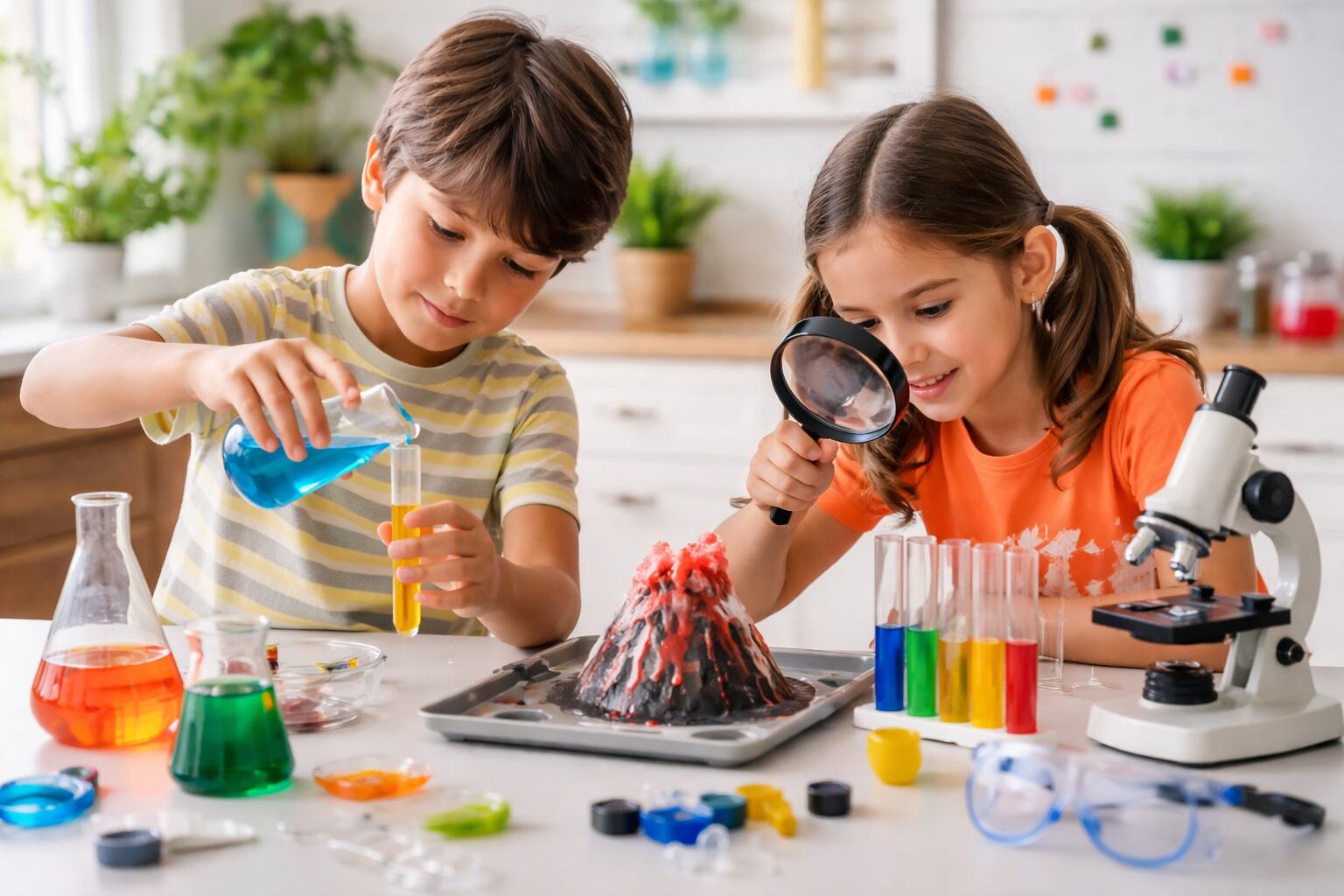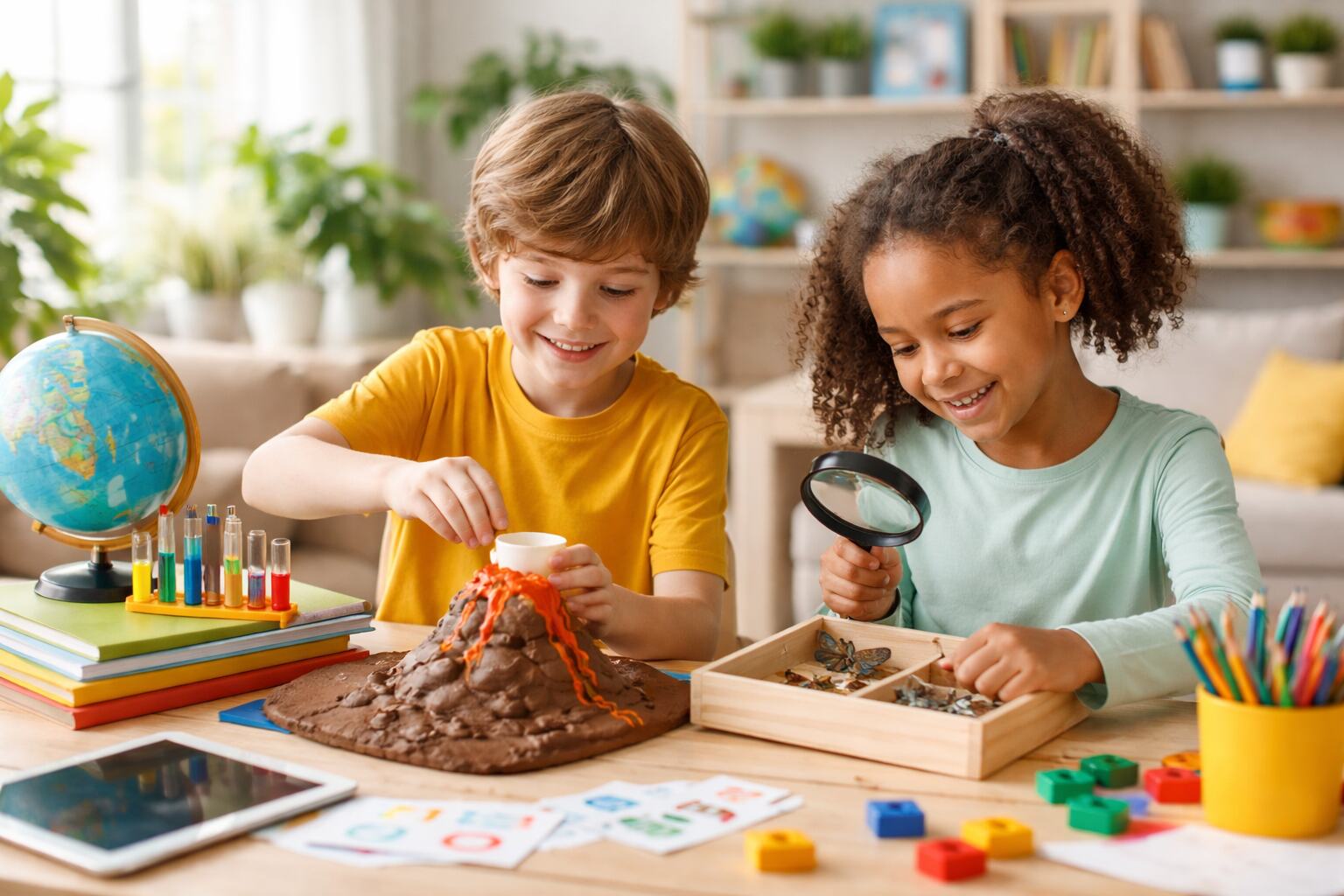
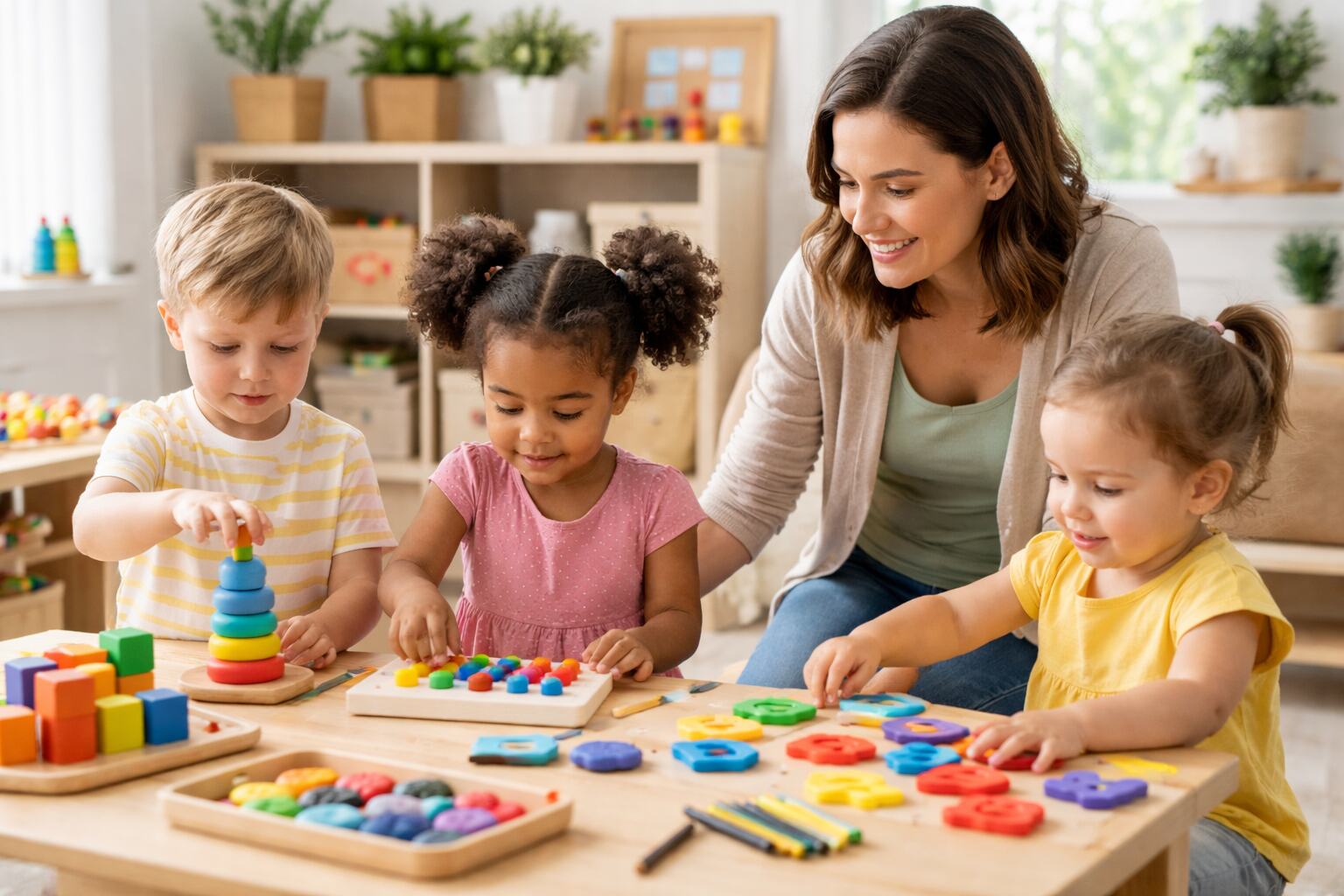
The early years of a child’s life are a period of remarkable growth and discovery. From their first steps to their burgeoning vocabulary, toddlers and preschoolers are voracious learners, absorbing information and developing crucial skills at an astonishing rate. While structured learning environments have their place, there’s a profound power in engaging young minds through do-it-yourself (DIY) activities right in the comfort of their homes. Empowering children to explore, experiment, and create through hands-on experiences fosters a love for learning that extends far beyond the playroom. These imaginative, often simple, activities entertain and lay a strong foundation for cognitive, social, emotional, and physical development.
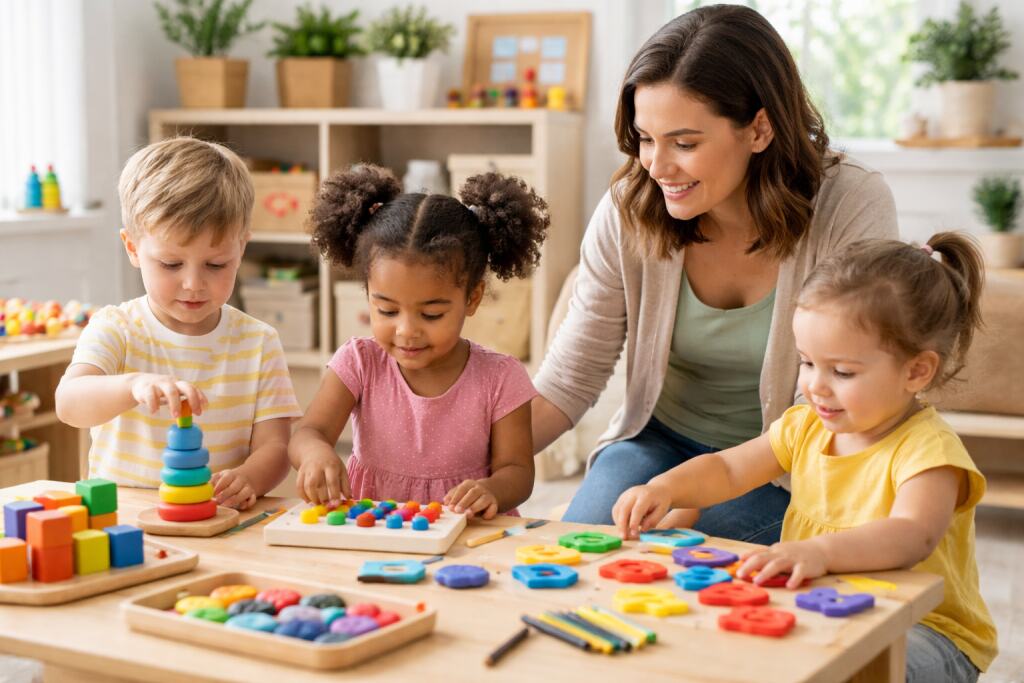
Benefits of Engaging Toddlers and Preschoolers in DIY Learning
The advantages of integrating DIY learning into a young child’s routine are multifaceted and far-reaching. Beyond the immediate joy and engagement, these activities significantly contribute to their holistic development.
Fostering Creativity and Imagination
DIY learning fosters innovative thinking in children. When provided with open-ended materials and prompts, they learn to transform everyday objects into tools for imaginative play and problem-solving. This unrestricted exploration cultivates their ability to envision new possibilities and express themselves uniquely. Instead of following rigid instructions, they are encouraged to invent, adapt, and personalise their creations, thereby nurturing their innate imaginative abilities.
Developing Problem-Solving Skills
Many DIY activities inherently present small challenges that children must navigate. Whether it’s figuring out how to balance blocks, combine colours to achieve a desired shade, or construct a fort that won’t collapse, these tasks subtly introduce them to concepts of cause and effect and logical reasoning. They learn to experiment with different approaches, observe the outcomes, and adjust their strategies, building resilience and critical thinking in the process.
Enhancing Fine and Gross Motor Skills
From threading beads to cutting paper and stacking blocks to pouring water, DIY activities provide abundant opportunities for children to refine their motor skills. Precise hand and finger movements strengthen fine motor skills, which are essential for writing, drawing, and daily tasks. Gross motor skills are developed through larger movements involved in building, active play, and outdoor exploration. These physical competencies are fundamental for future academic success and independent living.
Promoting Language and Cognitive Development
Engaging in DIY learning often involves dialogue. Parents or carers can describe actions, ask open-ended questions, and introduce new vocabulary related to the materials and processes. This rich linguistic interaction expands a child’s understanding and ability to articulate their thoughts. Furthermore, tasks requiring sequencing, categorisation, and spatial reasoning contribute significantly to cognitive development, honing their ability to process information and make connections.
Building Self-Esteem and Confidence
Successfully completing a DIY project, no matter how small, instills a sense of accomplishment in a child. The pride they feel in their creations or discoveries boosts their self-esteem and confidence. This positive reinforcement encourages them to take on new challenges and believe in their capabilities, fostering a growth mindset from a young age.
Sensory Play and Exploration Activities
Sensory play is paramount for young children, as it allows them to learn about the world through their senses. DIY sensory bins and experiences are simple to set up and offer endless opportunities for exploration.
Homemade Playdough and Slime
Creating playdough or slime from scratch is a fantastic sensory experience. Children can participate in the mixing and kneading, observing the transformation of ingredients. Once made, the textures, colours, and malleability provide hours of tactile exploration. Adding scents like essential oils or extracts can further enhance the sensory experience. This activity stimulates touch and encourages fine motor development as they roll, pinch, and shape.
Sensory Bins with Natural Materials
A simple plastic bin can be transformed into a wonderland of discovery. Fill it with rice, beans, pasta, sand, or water, and add small objects like scoops, measuring cups, toy animals, leaves, pebbles, or bottle caps. These bins encourage scooping, pouring, hiding, and finding, promoting hand-eye coordination and imaginative play. The different textures and sounds provide rich sensory input, while the open-ended nature of the play fosters creativity.
Water Play with Household Items
Water play is a timeless favourite. A basin of water, some sponges, plastic containers, toy boats, and even a little dish soap can provide endless entertainment. Children can practise pouring, squeezing, splashing, and observing how objects float or sink. This activity is not only calming, but it also introduces basic physics concepts in a playful way while strengthening hand muscles and developing coordination.
Creative Arts and Crafts Projects
Art is a powerful avenue for self-expression and creative development. DIY art projects, often utilising everyday materials, encourage children to explore colours, textures, and forms without pressure.
Recycled Material Sculptures
Challenge children to create sculptures using recycled materials such as cardboard tubes, empty boxes, plastic bottles, fabric scraps, and bottle caps. Provide child-safe scissors, glue, tape, and markers. This activity promotes imaginative thinking, problem-solving, and fine motor skills as they cut, glue, and assemble their creations. It also instills an early understanding of sustainability and repurposing.
Process Art with Natural Elements
Instead of focusing on a finished product, process art emphasises the experience of creation. Gather natural elements like leaves, flowers, twigs, and sand, and provide paint, paper, and glue. Children can create collages, use natural items as stamps, or mix them into mud paint. This allows for open-ended exploration of textures, colours, and patterns, fostering sensory engagement and artistic freedom.
Finger Painting and Sponge Painting
These classic art activities are perfect for young children. Finger painting offers a direct and tactile experience with colour, while sponge painting allows for interesting textures and patterns. Use washable paints and large sheets of paper to allow for ample exploration. These activities enhance fine motor skills, hand-eye coordination, and colour recognition, while providing a wonderfully messy and enjoyable sensory experience.
Language and Literacy Development Through DIY Learning
Even seemingly simple DIY activities can be incredibly effective in fostering language and early literacy skills. They provide natural contexts for rich conversations and exposure to print.
Storytelling with Puppets or Props
Help children create simple puppets using paper bags, socks, or craft sticks. Then, encourage them to tell stories or act out familiar tales using their puppets. Providing props like small toy animals or dolls can also stimulate imaginative narrative. This activity promotes vocabulary development, sequencing skills, and the ability to articulate thoughts and ideas, laying foundations for verbal communication and storytelling.
Alphabet and Number Scavenger Hunts
Hide letters of the alphabet or numbers around the house or yard. Provide children with a corresponding chart or list to check off as they find each one. This interactive game makes learning letters and numbers exciting and active. It reinforces recognition, introduces early phonics concepts, and encourages observational skills.
DIY Picture Books and Storyboards
Provide children with blank paper, crayons, markers, and stickers, and encourage them to create their own picture books. They can draw pictures that tell a simple story, and older preschoolers might even dictate words for you to write. Another option is to create a storyboard by drawing a series of pictures that depict the sequence of events in a narrative. These activities foster narrative skills, understanding of plot, and an early appreciation for the structure of books.
Tips for Creating a DIY Learning Environment at Home
Setting up an inviting and stimulating DIY learning environment doesn’t require a dedicated playroom or expensive materials. It’s about intentionality and accessibility.
Designating a “Creative Zone”
While a specific room isn’t necessary, designating a corner or a table as a “creative zone” can signal to children that this is a place for exploration and making. This doesn’t have to be permanent; a kitchen table can easily transform into a creative hub during designated times. The key is to create a space that is conducive to focused play and exploration.
Providing Accessible and Safe Materials
Store art supplies, craft items, and various loose parts in easily accessible containers or shelves that children can reach independently. Opt for child-safe materials like non-toxic paints, blunt scissors, and large crayons. Regularly rotate materials to maintain interest and introduce new textures and possibilities, ensuring the environment remains fresh and engaging without overwhelming them.
Embracing Mess and Process Over Product
Learning through experimentation often involves a bit of mess. Embrace it as a natural part of the creative process. Lay down newspapers or old sheets to protect surfaces, and focus on the joy of exploration rather than striving for a perfect end product. Shift the emphasis from the outcome to the experience itself, allowing children to freely experiment without fear of failure.
Encouraging Independence and Choice
Allow children to select their own materials and lead their own play whenever possible. Offer choices within limits, empowering them to make decisions and take ownership of their activities. This fosters a sense of autonomy and intrinsic motivation to learn and explore, building confidence and problem-solving skills as they navigate their choices.
Becoming an Observer and Facilitator
Instead of directing every step, observe your child’s engagement, and ask open-ended questions (“What are you making?” “Tell me about your idea,” and offer support when needed. Your role is less about teaching and more about facilitating their natural curiosity. Be present, curious, and supportive, providing a safe and encouraging space for their DIY adventures. This gentle guidance helps them develop their own ideas and problem-solving strategies, strengthening their independent learning capabilities.
DIY learning activities offer a treasure trove of opportunities for unleashing the potential of toddlers and preschoolers. By providing accessible materials, embracing imagination, and fostering a supportive environment, parents and carers can cultivate a lifelong love for learning, critical thinking, and creative expression in their young children. These simple, yet profound, experiences lay an invaluable foundation for future success and a joyful, curious engagement with the world around them.