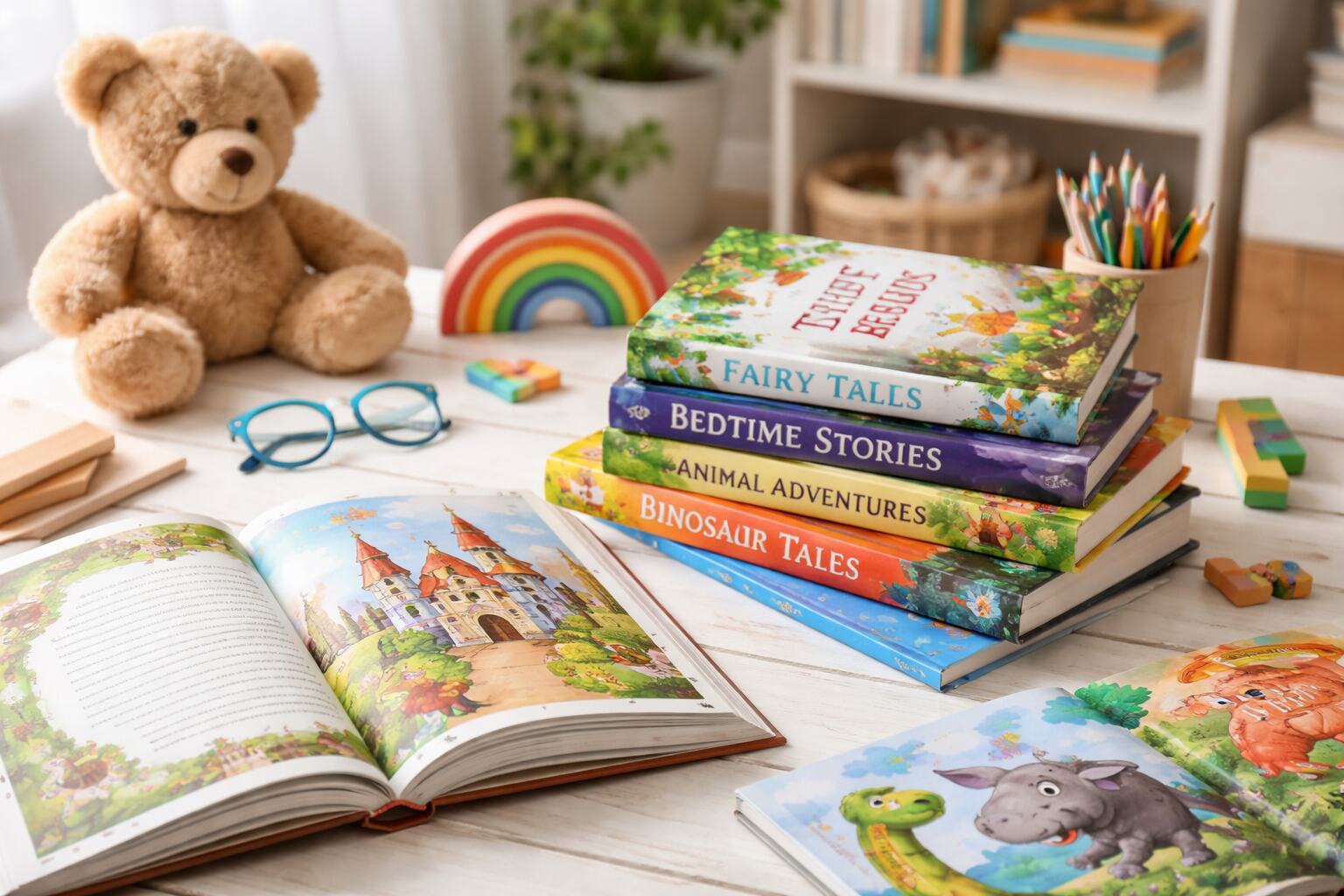
The gentle rustle of turning pages, the vibrant hues of illustrated worlds, and the captivating cadences of a storyteller’s voice – these are the simple yet profound ingredients that ignite the magic of reading in children. Beyond mere entertainment, storybooks serve as portals, transporting young readers to realms of imagination, knowledge, and emotional growth. In a world increasingly dominated by screens, the enduring power of a well-crafted story remains an unparalleled foundation for a child’s development. This exploration examines the many facets of children’s literature, highlighting its crucial role in shaping young minds and fostering a lifelong love affair with books.
The impact of storybooks on a child’s cognitive, social, and emotional development is nothing short of transformative. From the earliest stages of language acquisition to the deep understanding of complex emotions, reading provides a rich and fertile ground for growth. It’s about building connections, expanding horizons, and nurturing humanity, not just decoding words.
Nurturing Language and Literacy Skills
Storybooks lay the foundation of a child’s linguistic prowess. Repeated exposure to diverse vocabulary, sentence structures, and narrative patterns significantly bolsters their understanding and use of language. This early immersion cultivates phonological awareness, the ability to recognise and manipulate the sounds of language, a critical pre-reading skill. As children engage with stories, they encounter new words in context, intuitively grasping their meanings and integrating them into their own active vocabulary. This process is fundamental to developing strong reading comprehension and fluent expression, setting them on a path of academic success.
Expanding Cognitive Abilities
The act of following a narrative, predicting outcomes, and understanding character motivations actively engages and strengthens a child’s cognitive functions. Storybooks encourage critical thinking, as young readers analyse plot points, identify cause-and-effect relationships, and form opinions about characters’ actions. This mental exercise sharpens their problem-solving skills and develops their ability to think abstractly. Furthermore, the imaginative landscapes presented in books stimulate their creativity, prompting them to visualise scenes and characters, thereby enhancing their spatial reasoning and mental imagery.
Fostering Emotional Intelligence and Empathy
Stories are powerful vehicles for exploring the vast spectrum of human emotions. Through relatable characters and their experiences, children learn to identify, understand, and label feelings – their own and those of others. Witnessing characters navigate challenges, celebrate triumphs, and cope with disappointment allows children to develop empathy, the ability to understand and share the feelings of another. This emotional literacy is crucial for building healthy relationships, resolving conflicts, and fostering a compassionate outlook.
Choosing the right storybooks for a child is an art form, a delicate balance between their developmental stage, individual interests, and the inherent quality of the book. A thoughtful selection can transform reading from a chore into an adventure, sparking curiosity and a genuine desire to explore more.
Age-Appropriate Selections
The journey begins with understanding developmental milestones. For infants and toddlers, sturdy board books with bright, simple illustrations and repetitive text are ideal. These books offer tactile exploration and introduce basic concepts. As children grow into preschool and kindergarten, they are ready for picture books with more complex narratives, engaging plots, and diverse characters. Early readers can gradually transition to emergent reader books, which feature controlled vocabulary and sentence structures to build confidence. For older children, chapter books open up worlds of intricate plots and character development, catering to their burgeoning imaginations and expanding attention spans.
Igniting Passions and Interests
The most captivating books are those that resonate with a child’s individual passions. Whether they are fascinated by dinosaurs, captivated by faraway galaxies, or enchanted by tales of friendship, there is a storybook waiting to fuel their enthusiasm. Observing your children’s interests, whether through play, questions, or their favourite toys, can provide invaluable clues for selecting books that will hold their attention and ignite their imagination. Librarians and booksellers serve as excellent resources for recommendations tailored to specific interests, providing a wealth of literary gems.
Certain storybooks transcend generations, their enduring charm and profound messages continuing to resonate with children year after year. These classics offer a shared cultural heritage, introducing young readers to enduring themes, unforgettable characters, and the foundational elements of storytelling.
Building a Literary Foundation
Classic storybooks often serve as entry points into the broader world of literature. They introduce children to fundamental storytelling techniques, such as plot, character development, and theme, in an accessible and engaging manner. Familiarity with these works can also ease their transition to more complex literary texts later in life, as they may recognise recurring motifs or narrative structures.
Exploring Universal Themes
Many classic storybooks include universal themes that are relevant to children of all ages and backgrounds. These themes can include courage, friendship, overcoming adversity, the importance of family, and the wonders of the natural world. By encountering these themes in a narrative context, children begin to develop their own understanding of morality, ethics, and the human condition.
The act of reading aloud to a child is far more than just a bedtime ritual; it’s a profound bonding experience and a potent tool for development. The shared intimacy of a story brings characters to life, fostering a deeper connection between the reader and the listener.
Enhancing Comprehension and Vocabulary
When read aloud, words take on a new dimension. The intonation, emphasis, and pauses used by the reader help children understand the nuances of language, improving their comprehension even before they can read independently. They are exposed to a richer vocabulary than they might encounter in everyday conversation, and hearing these words in context aids in their acquisition and retention.
Cultivating a Love for Books
The joy and excitement conveyed by a parent or carer reading a story can be infectious. This shared experience creates positive associations with books, transforming reading into a pleasurable activity rather than an obligation. Children learn to anticipate story time, eagerly awaiting the next adventure, and this positive reinforcement is crucial for building a lifelong love of reading.
Strengthening the Parent-Child Bond
The quiet moments shared during story time create opportunities for connection and closeness. Physically, children are often nestled close, feeling safe and comforted. A shared experience engages them emotionally, creating an environment that encourages closeness and belonging. These moments are invaluable for building strong attachments and positive family relationships.
Storybooks are not merely passive entertainment; they are powerful catalysts for sparking a child’s imagination and fostering their creative potential. The worlds authors create provide fertile ground for young minds to explore, question, and invent.
Visualizing the Unseen
The most effective storybooks for sparking imagination are those that leave room for the reader’s own interpretation. While illustrations are important, they often work best when they complement rather than dictate. Books that depict fantastical creatures, magical landscapes, or unusual situations encourage children to use their own mental imagery to fill in the details and bring the story to life in their own unique way.
Encouraging Imaginative Play
The characters and scenarios encountered in storybooks often serve as springboards for imaginative play. Children may begin to act out scenes from their favourite tales, roleplay as characters, or create entirely new narratives inspired by the books they have read. This form of play is vital to acquiring problem-solving skills, social interaction, and self-expression.
Beyond entertainment and intellectual stimulation, storybooks are invaluable tools for imparting important life lessons and instilling positive values in children. Through relatable characters and engaging narratives, children learn about empathy, kindness, resilience, and the consequences of their actions.
Understanding Social-Emotional Concepts
Many storybooks subtly weave in lessons about friendship, sharing, honesty, and overcoming fears. Children learn to recognise and understand these concepts as they watch characters embody them. Seeing characters grapple with challenges and make ethical choices provides valuable models for their behaviour.
Developing a Moral Compass
Stories that present clear moral dilemmas and their resolutions help children develop a sense of right and wrong. They learn about the impact of their choices, both on themselves and on others. Early exposure to ethical considerations helps shape their growing moral compass and encourages them to think critically about their own behaviour.
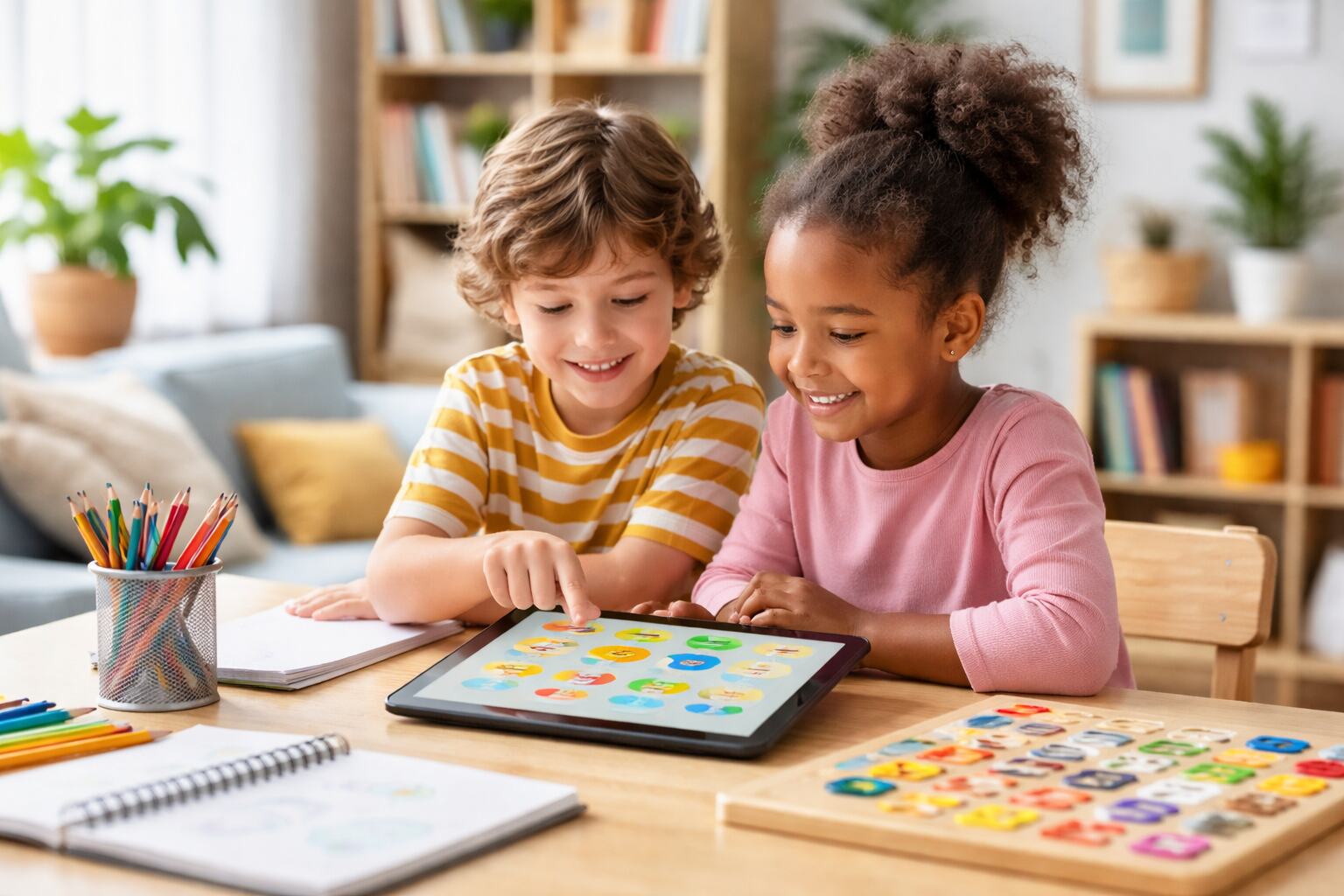
In today’s technologically infused world, storybooks have evolved to incorporate interactive elements, offering a dynamic and engaging reading experience that caters to the digital-native generation. These books leverage technology to enhance, not replace, the magic of storytelling.
Promoting Active Participation
Interactive storybooks can range from lift-the-flap books for younger children to apps and digital platforms that incorporate sound effects, animations, and clickable elements. These features encourage active participation, allowing children to manipulate elements of the story, make choices that affect the narrative, or discover hidden surprises. This hands-on approach keeps them engaged and invested in the unfolding story.
Enhancing Comprehension Through Immersion
The sensory elements often found in interactive storybooks can deepen a child’s understanding of the narrative. Sound effects can bring characters and settings to life, while animations can visually represent complex actions or emotions. This multi-sensory approach caters to different learning styles and can make abstract concepts more accessible, thereby enhancing overall comprehension and retention.
The landscape of children’s literature is beautifully rich and varied, and it is essential to ensure that the books we offer our children reflect the diverse world they inhabit. Inclusive storybooks showcase characters from different backgrounds, cultures, and abilities, fostering a sense of belonging and understanding.
Celebrating Differences and Promoting Empathy
When children see themselves represented in the stories they read, it validates their experiences and gives them a sense of accomplishment. Conversely, encountering characters from different walks of life broadens their perspectives, cultivates empathy, and helps dismantle stereotypes. Inclusive books teach children to appreciate and respect the differences that make our world so vibrant.
Building a Welcoming Literary Environment
Providing a diverse range of books ensures that every child can find stories that resonate with them. This intentional selection creates a welcoming and inclusive literary environment where all children feel seen, valued, and empowered. It’s about broadening their understanding of the world and fostering a generation that celebrates diversity.
The key to unlocking a lifelong love of reading lies in making the experience enjoyable and exciting. Beyond simply opening a book, creative approaches can transform reading sessions into cherished memories.
Bringing Stories to Life
Engage your child’s senses by acting out characters, using different voices for each one, and incorporating props or costumes. Create sound effects to accompany the action, or let your child chime in with their own sound creations. Encourage them to draw pictures of their favourite characters or scenes or even write their own continuations of the story.
Creating a Reading-Rich Environment
Make books accessible and appealing by creating a cosy reading nook, a comfortable space filled with cushions and soft lighting. Display books prominently and let your child choose what to read independently. Visit the library regularly and let them explore the vast array of offerings. Reading should feel like a treat, not a chore.
Instilling a love for reading is not a one-time event but a continuous journey. By nurturing curiosity, providing encouragement, and making reading a natural and joyful part of everyday life, we can help children develop a habit that will enrich their lives for years to come.
Leading by Example
Children are keen observers, and their parents’ attitudes toward reading significantly influence them. Let your child see you reading for pleasure, whether it’s a novel, a magazine, or a newspaper. Share your enthusiasm for books and talk about what you’re reading. This demonstrates that reading is an enjoyable and enriching activity for people of all ages.
Celebrating Reading Milestones
Acknowledge and celebrate your child’s reading progress, no matter how small. This could involve simple praise, a special sticker, or a small treat when they finish a book or reach a reading goal. These positive reinforcements help build confidence and motivate them to continue their reading journey. The magic of reading is a gift that keeps on giving, opening doors to endless possibilities and shaping bright futures, one story at a time.