
Discover the Best Online Learning Platforms for Kids
The digital age has ushered in a new era of education, meticulously crafted to nurture young minds and cultivate a lifelong love for learning. Online learning platforms have emerged as powerful tools, democratising access to knowledge and offering unparalleled flexibility. For parents navigating this evolving landscape, understanding the wealth of options and how to best leverage them is paramount. This comprehensive guide will delve deep into the world of online learning for children, exploring its benefits, top platforms, and crucial considerations for making informed choices.
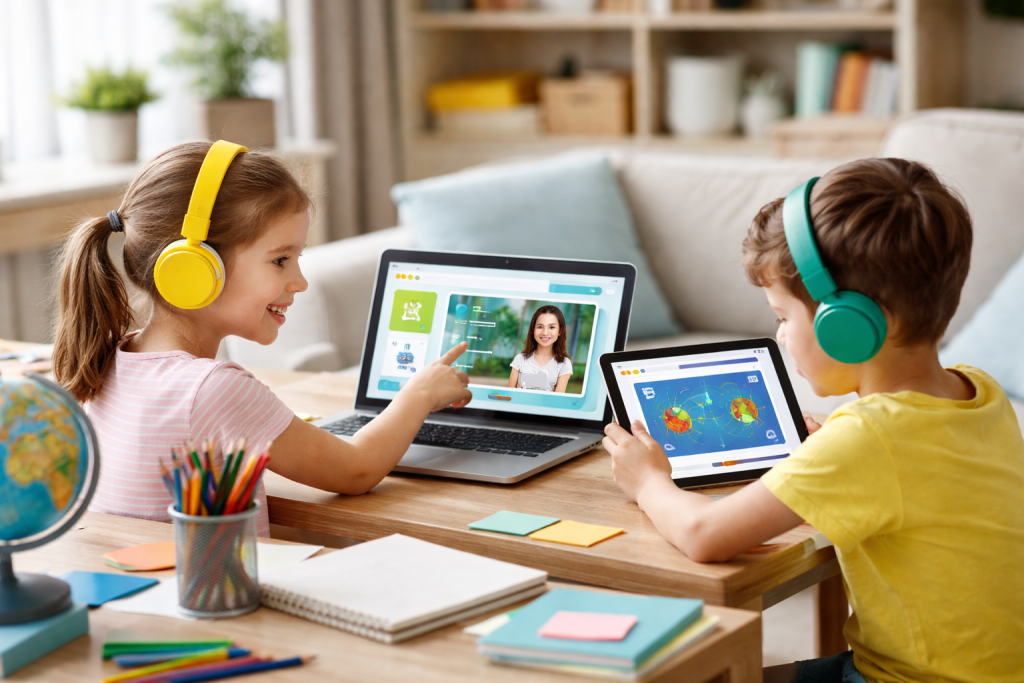
Finding the best online learning environment for your child can be a daunting task due to the abundance of available options. These platforms are no longer mere repositories of information; they are dynamic, interactive spaces designed to captivate, educate, and inspire. They offer a vibrant alternative or supplement to traditional schooling, providing personalised learning paths that cater to individual paces and interests. The best platforms are characterised by their engaging content, expert-designed curricula, and a strong emphasis on fostering critical thinking and problem-solving skills. They empower children to explore subjects they might not encounter in a traditional classroom, from coding and robotics to creative writing and even astrophysics. The ultimate goal is to transform learning into an exciting journey that fosters curiosity and embraces discovery as the norm.
Contents
- 1 The Top 5 Online Learning Platforms for Kids
- 2 Choosing the Right Online Learning Platform for Your Child
- 3 Gamification of Learning
- 4 Multimedia-Rich Content
- 5 Hands-On Activities and Projects
- 6 Collaborative Learning Opportunities
- 7 Immediate Feedback and Progress Tracking
- 8 Personalized Learning Experiences
- 9 Development of Self-Discipline and Independence
- 10 Access to a Wider Range of Subjects and Expertise
- 11 Enhanced Digital Literacy and Technological Skills
- 12 Flexible Learning Schedules and Environments
- 13 Core Academic Subjects: A Deeper Dive
- 14 STEM: Fueling Future Innovators
- 15 The Arts and Humanities: Cultivating Creativity and Critical Thinking
- 16 Life Skills and Personal Development
- 17 Specialized and Niche Subjects
- 18 Rigorous Curriculum Development and Pedagogical Soundness
- 19 Child Protection and Privacy Policies
- 20 Moderation and Community Guidelines
- 21 Engaging but Age-Appropriate Content
- 22 Technical Reliability and Accessibility
- 23 Structure and Content Delivery Methods
- 24 Subject Breadth and Depth
- 25 Interactivity and Engagement Features
- 26 Personalization and Adaptive Learning Capabilities
- 27 Tools for Parental Involvement and Progress Tracking
- 28 Cost, Subscription Models, and Free Offerings
- 29 Establish a Dedicated Learning Space
- 30 Set Clear Goals and Expectations
- 31 Integrate Learning with Real-World Experiences
- 32 Encourage Active Participation and Discussion
- 33 Balance Screen Time with Other Activities
- 34 Regularly Review Progress and Offer Support
- 35 Understanding Visual Learners
- 36 Catering to Auditory Learners
- 37 Supporting Kinesthetic Learners
- 38 Accommodating Reading/Writing Learners
- 39 Identifying Interconnected Learning Styles
- 40 Increased Personalization and AI-Driven Learning
- 41 Immersive and Experiential Learning Through VR/AR
- 42 Collaborative Global Learning Communities
- 43 Blended Learning as the Norm
- 44 Emphasis on 21st-Century Skills and Soft Skills
The Top 5 Online Learning Platforms for Kids
While a definitive “top 5” can be subjective and depend on a child’s specific needs and age group, several platforms consistently stand out for their quality, comprehensiveness, and child-centric approach. These are the titans of online education, recognised for their innovative methodologies and proven track records.
Educational Games and Interactive Activities
Many leading platforms excel at transforming learning into play. Gamified lessons reward children for their progress, encourage them to overcome challenges, and immerse them in educational content without making them feel lectured. These interactive elements, whether through puzzles, simulations, or competitive quizzes, significantly boost engagement and retention.
Comprehensive Curriculum Coverage
The most effective platforms offer a broad spectrum of subjects, ensuring that a child’s educational journey is holistic. This includes core academic areas like mathematics, science, and language arts but also extends to crucial 21st-century skills such as coding, digital literacy, and critical thinking.
Personalized Learning Paths
Recognising that every child learns differently, the best platforms adapt to individual learning styles and speeds. Through adaptive technology, they identify areas where a child might struggle and provide additional support, while also allowing gifted students to advance more rapidly.
Expert-Designed Content and Instruction
The quality of the learning materials is paramount. Whether developed by experienced educators, subject matter experts, or child development specialists, the content should be accurate, age-appropriate, and pedagogically sound. Energetic instructors lead engaging video lessons on many platforms.
Opportunities for Skill Development
Beyond academic knowledge, these platforms often focus on developing essential life skills. This can range from problem-solving and creativity to teamwork and communication, preparing children for success in school and beyond.
Choosing the Right Online Learning Platform for Your Child
The selection process for an online learning platform should not be a hasty one. It requires careful consideration of your child’s unique characteristics, learning preferences, and your family’s educational goals. What works brilliantly for one child might not be the ideal fit for another. It’s a process of discovery, much like the learning itself that these platforms aim to foster.
Understanding Your Child’s Learning Style
The first and perhaps most critical step is to identify how your child learns best. Are they a visual learner who thrives on colourful diagrams and videos or an auditory learner who benefits from explanations and discussions? Perhaps they are a kinaesthetic learner who needs to actively participate and experiment. Platforms differ in their delivery methods, so aligning the platform’s approach with your child’s natural inclinations will significantly enhance their engagement and understanding.
Age Appropriateness and Developmental Stage
Selecting a platform that caters to your child’s specific age group and developmental stage is crucial. Content that is too advanced can be frustrating, while material that is too basic can lead to disinterest. Look for platforms that offer clear age progressions and age-appropriate content, ensuring a stimulating yet manageable learning experience.
Subject Matter and Educational Goals
Consider the subjects your child needs or wants to explore. Some platforms specialise in STEM, while others offer a comprehensive curriculum covering all major subjects. Think about your overarching educational goals: are you looking to supplement schoolwork, introduce new subjects, or provide enrichment activities? The platform should align with these objectives.
Cost and Value Proposition
Online learning platforms come with varying pricing models, from free trials and freemium options to subscription services. Evaluate the cost in relation to the features, content depth, and overall value offered. Some platforms might have a higher upfront cost but provide a more comprehensive and engaging experience.
User Reviews and Testimonials
Don’t underestimate the power of peer reviews. Reading testimonials from other parents can offer priceless advice about the real-world effectiveness and user experience of a platform. Look for common themes regarding engagement, learning outcomes, and customer support.
The hallmark of a truly effective online learning platform for children is its ability to transform passive consumption of information into active participation. Young minds are naturally curious and energetic, and the best platforms harness this energy, turning learning into an exciting adventure rather than a chore. Interactivity isn’t just about clicking buttons; it’s about encouraging a sense of ownership and discovery.
Gamification of Learning
Many platforms employ gamified elements to make learning fun and rewarding. This can include points, badges, leaderboards, and unlockable content, all designed to motivate children and encourage them to persevere. When learning feels like playing a game, children are more likely to remain engaged and motivated, even when tackling challenging concepts.
Multimedia-Rich Content
Beyond text-heavy lessons, top platforms utilise a rich tapestry of multimedia. This includes engaging videos with dynamic presenters, interactive animations that explain complex processes, captivating sound effects, and colourful graphics that capture attention. The variety of media caters to different learning preferences and keeps young learners stimulated.
Hands-On Activities and Projects
Learning by doing is a powerful pedagogical approach. Many platforms incorporate virtual labs, simulations, and hands-on projects that allow children to experiment, build, and create. These activities encourage critical thinking and problem-solving as children apply what they’ve learned in practical, albeit digital, scenarios.
Collaborative Learning Opportunities
While online learning can sometimes be a solitary endeavour, the best platforms foster a sense of community. This can be achieved through moderated forums, group projects, or even peer-to-peer learning opportunities. Collaboration teaches valuable social skills and allows children to learn from each other’s perspectives.
Immediate Feedback and Progress Tracking
The ability to receive instant feedback is a significant advantage of online learning. Platforms that provide immediate responses to quizzes, exercises, and challenges help children understand where they stand and what areas need improvement. Comprehensive progress tracking allows both children and parents to monitor learning journeys and celebrate milestones.
The integration of online learning platforms into a child’s educational journey offers a multitude of advantages that extend far beyond the traditional classroom setting. These platforms are not simply a substitute for existing educational structures but rather a powerful complement, capable of enriching and expanding the learning experience in profound ways. Their flexibility, accessibility, and personalised nature equip children with a distinct advantage in today’s rapidly evolving world.
Personalized Learning Experiences
One of the most significant benefits is the ability to tailor the learning experience to each child’s individual needs. Unlike a traditional classroom where a teacher must cater to a diverse group, online platforms can adapt to a child’s pace, offer extra support in areas of difficulty, and provide enrichment opportunities for those who grasp concepts quickly. This personalised approach ensures that no child is left behind or held back, fostering a sense of accomplishment and reducing academic frustration.
Development of Self-Discipline and Independence
Learning online requires a degree of self-motivation and discipline. Children learn to manage their time effectively, set their own learning goals, and take ownership of their educational journey. This fosters independence and a strong work ethic, skills that are invaluable not only in academic pursuits but also in all aspects of life.
Access to a Wider Range of Subjects and Expertise
Online platforms unlock a universe of subjects and specialised knowledge that might not be readily available in a local school. From coding and advanced mathematics to niche historical periods and artistic techniques, children can explore their passions and discover new interests. Furthermore, they gain access to expert instructors and resources from around the globe, broadening their perspectives and depth of understanding.
Enhanced Digital Literacy and Technological Skills
In an increasingly digital world, proficiency in technology is no longer a luxury but a necessity. Online learning platforms naturally immerse children in digital environments, helping them develop essential digital literacy skills, from navigating software and online resources to understanding digital citizenship and online safety. These are foundational skills for future success in virtually every field.
Flexible Learning Schedules and Environments
The inherent flexibility of online learning allows children to learn at their own pace and on their own schedule. This is particularly beneficial for children with busy extracurricular activities, unique learning needs, or those who simply thrive outside of a rigid school timetable. They can learn in a comfortable environment, at a time that suits their energy levels and focus, making learning more efficient and enjoyable.
The breadth of subjects available on online learning platforms is nothing short of astonishing, reflecting the vastness of human knowledge and the diverse interests of young learners. These platforms have moved far beyond the traditional core curriculum, offering a rich tapestry of disciplines designed to spark curiosity, foster creativity, and equip children with skills for the future. Whether a child is fascinated by the stars, the intricacies of code, or the stories of the past, there is likely a platform and a course to ignite their passion.
Core Academic Subjects: A Deeper Dive
While many platforms offer supplementary material for subjects like mathematics, science, language arts, and social studies, the depth and approach can vary significantly. Some platforms provide rigorous, curriculum-aligned content that mirrors or even surpasses standard school offerings, complete with interactive exercises, virtual experiments, and in-depth explanations. Others focus on making these subjects more accessible and engaging through innovative teaching methods and real-world applications.
STEM: Fueling Future Innovators
The fields of Science, Technology, Engineering, and Mathematics (STEM) are particularly well-represented on online learning platforms. Children can delve into coding with various programming languages, explore the principles of robotics through virtual simulations, engage in online science experiments that demonstrate complex phenomena, and tackle advanced mathematical concepts in engaging ways. These platforms are crucial in nurturing the next generation of scientists, engineers, and innovators.
The Arts and Humanities: Cultivating Creativity and Critical Thinking
Learning is not solely about technical skills. Online platforms also offer a wealth of opportunities in the arts and humanities. Children can learn to play musical instruments through interactive lessons, develop their artistic talents with digital drawing and painting tools, explore creative writing through guided prompts and workshops, and delve into history, literature, and philosophy through engaging narratives and discussions. These subjects are vital for developing critical thinking, empathy, and a well-rounded perspective.
Life Skills and Personal Development
Beyond traditional academic subjects, many platforms recognise the importance of equipping children with essential life skills. This includes courses on financial literacy, public speaking, emotional intelligence, mindfulness, and even essential self-care practices. These programmes aim to build confident, resilient, and well-adjusted individuals ready to navigate the complexities of the modern world.
Specialized and Niche Subjects
The beauty of online learning lies in its ability to cater to even the most unique interests. Children can find courses on virtually anything imaginable, from learning a new language and understanding different cultures to exploring entrepreneurship, digital design, environmental science, and even the basics of astronomy. This freedom to explore allows children to follow their intellectual curiosities wherever they may lead.
While the accessibility and convenience of online learning platforms are undeniable boons, the paramount considerations for parents must always revolve around the quality of the education provided and, crucially, the safety of the digital environment. Entrusting a child’s formative learning experiences to an online platform demands a thorough vetting process, ensuring that the platform is not only engaging but also enriching and secure. Without these foundational elements, the benefits of online learning can be overshadowed by potential risks.
Rigorous Curriculum Development and Pedagogical Soundness
The effectiveness of any learning platform hinges on the quality of its curriculum. Reputable platforms invest in well-researched, age-appropriate content developed by experienced educators and subject matter experts. The pedagogical approach should be engaging and effective, fostering deep understanding rather than rote memorisation. Look for evidence of alignment with educational standards and a clear focus on developing critical thinking and problem-solving skills.
Child Protection and Privacy Policies
Ensuring a child’s safety online is non-negotiable. Parents must scrutinise the privacy policies of any platform to understand how personal data is collected, stored, and used. Robust platforms will have clear guidelines against data sharing with third parties and will implement strong measures to protect children from inappropriate content or contact. Features like parental controls and communication moderation are essential safeguards.
Moderation and Community Guidelines
For platforms that incorporate social features or allow for user interaction, strict moderation policies and clear community guidelines are vital. These measures help create a positive and respectful online environment, preventing cyberbullying and ensuring that interactions are constructive and educational. Content moderation, both automated and human-driven, is key to maintaining a safe space.
Engaging but Age-Appropriate Content
While interactivity and engagement are crucial for keeping children motivated, the content itself must be carefully curated to be age-appropriate and free from any form of exploitation or harmful messaging. Parents should be aware of the types of content their children are exposed to and ensure it aligns with their values and educational goals. Free trials and preview options can be invaluable in assessing content suitability.
Technical Reliability and Accessibility
A high-quality platform should also be technically sound, offering a seamless and reliable user experience. Frequent glitches, slow loading times, or compatibility issues can disrupt the learning process and lead to frustration. Furthermore, accessibility features for children with disabilities are a mark of a truly inclusive and high-quality platform.
Navigating the diverse landscape of online learning platforms can feel like a grand expedition through a digital library. Each platform boasts its unique strengths, catering to different age groups, learning styles, and educational objectives. To make an informed decision, a thorough comparison of their features and benefits is essential, akin to choosing the right tool for a specific task. Understanding these nuances will unlock the full potential of online learning for your child.
Structure and Content Delivery Methods
Platforms differ in how they present their educational material. Some opt for a highly structured, linear approach, guiding students through a predefined curriculum. Others offer a more modular, self-directed path where learners can pick and choose topics of interest. The delivery methods also vary, ranging from video-led lessons and interactive simulations to gamified quizzes and project-based learning modules. Evaluating which method best suits your child’s learning style is key.
Subject Breadth and Depth
While some platforms are generalists, covering a wide array of subjects, others specialise in specific areas like STEM, coding, or language learning. Consider whether your child needs a comprehensive academic programme or is looking to dive deep into a particular passion. The depth of coverage within a subject is also important – does it offer introductory concepts or advanced, specialised material?
Interactivity and Engagement Features
The hallmark of a successful platform for children is its ability to engage them. Compare the types of interactive elements offered: are there games, puzzles, virtual labs, coding challenges, or creative projects? The level of interactivity and the quality of these features will significantly impact your child’s motivation and learning retention.
Personalization and Adaptive Learning Capabilities
The concept of personalised learning is a significant differentiator. Some platforms employ adaptive technology that adjusts the difficulty and content based on a child’s performance. This ensures that learners are always challenged appropriately, neither bored nor overwhelmed. Look for platforms that offer individualised feedback and tailor learning paths to specific needs.
Tools for Parental Involvement and Progress Tracking
For parents, the ability to monitor their child’s progress is crucial. Compare the reporting features and analytics offered by different platforms. Some provide detailed dashboards showcasing completed lessons, areas of strength, and topics requiring more attention. Others offer tools for direct communication with instructors or the ability to set learning goals.
Cost, Subscription Models, and Free Offerings
The financial commitment varies considerably. Platforms may offer free trials, limited free versions, or various subscription tiers. Understanding the pricing structure, what is included at each level, and the overall value proposition is important. Some platforms might have a higher upfront cost but offer a more comprehensive and feature-rich experience.
Online learning platforms offer a world of educational opportunity, but like any powerful tool, their effectiveness hinges on how they are utilised. To ensure your child reaps the maximum benefits, a thoughtful and proactive approach is essential. It’s about fostering an environment where learning can thrive, blending the flexibility of the digital realm with the guidance and support that young learners need.
Establish a Dedicated Learning Space
Creating a quiet, distraction-free area for learning is crucial. This physical space signals to your child that it is time for focused study. Ensure comfortable seating and good lighting, and minimise potential interruptions from siblings, pets, or household activities. This dedicated zone helps in establishing a routine and fostering a sense of purpose during learning sessions.
Set Clear Goals and Expectations
Before diving into a platform, discuss the learning objectives with your child. What do you hope they will achieve? Setting clear, achievable goals, both short-term and long-term, can provide motivation and a sense of accomplishment. Communicate these expectations clearly and celebrate milestones along the way. This collaborative approach fosters ownership of the learning process.
Integrate Learning with Real-World Experiences
Connect the online lessons to tangible experiences whenever possible. If your child is learning about space, visit a planetarium or watch a documentary. If they are studying a historical period, read related books or visit a museum. This integration reinforces learning, makes it more memorable, and demonstrates the relevance of the acquired knowledge beyond the screen.
Encourage Active Participation and Discussion
Online learning shouldn’t be a passive experience. Encourage your child to ask questions, engage with the material, and even teach you what they have learned. If the platform allows for discussion forums or interaction with peers, guide them on how to participate constructively and respectfully. Open communication about their learning journey is vital.
Balance Screen Time with Other Activities
While online learning is valuable, it’s important to maintain a healthy balance with other childhood activities. Ensure your child has ample time for physical play, social interaction, creative pursuits, and adequate rest. Avoid letting screen time associated with learning bleed into excessive recreational screen use, which can lead to fatigue and diminished focus.
Regularly Review Progress and Offer Support
Make time to review your child’s progress on the platform. Use the reporting tools to understand where they are excelling and where they might need extra help. Offer encouragement and support, but avoid stepping in too quickly to solve every problem. Allowing them to grapple with challenges fosters problem-solving skills. If persistent difficulties arise, consider reaching out to the platform’s support or exploring additional resources.
The journey to identifying the ideal online learning platform for your child is deeply personal, as each child possesses a unique blend of learning preferences and cognitive strengths. What ignites the curiosity and facilitates understanding for one may not resonate with another. Therefore, a tailored approach, focusing on understanding your child’s individual learning style, is paramount to unlocking the full potential of digital education.
Understanding Visual Learners
Visual learners thrive on seeing information presented in a clear and appealing manner. They benefit from colourful diagrams, charts, infographics, and visually rich videos. Platforms that incorporate ample illustrations, animated explanations, and interactive whiteboards are often ideal for these children. They tend to remember information better when they can visualise it, making it easier to connect abstract concepts to concrete images.
Catering to Auditory Learners
Auditory learners absorb information best through listening. They often benefit from lectures, audiobooks, discussions, and explanations delivered verbally. Platforms that feature engaging video lessons with clear narration, podcasts, or even opportunities for live online discussions can be highly effective for auditory learners. They may also find value in reading aloud what they are learning to reinforce the information.
Supporting Kinesthetic Learners
Kinaesthetic learners learn best by doing, by physically engaging with the material. They need hands-on experiences, experimentation, and opportunities to move and interact. For these children, online platforms that offer virtual labs, interactive simulations, coding activities where they can build and test, or even project-based learning that involves creating something tangible (even if digitally) are highly beneficial. They might also benefit from incorporating small physical activities alongside their online lessons.
Accommodating Reading/Writing Learners
Children who are strong reading and writing learners often excel in environments where they can process information through text. They benefit from well-written explanations, opportunities for note-taking, researching through online texts, and engaging in written assignments. Platforms that provide comprehensive reading materials, interactive exercises that require written responses, and opportunities for creative writing or journaling can be very effective for this learning style.
Identifying Interconnected Learning Styles
It’s important to remember that most children are not purely one learning style. They often have a dominant style but benefit from a multi-sensory approach that incorporates elements from various styles. The best online learning platforms often offer a diverse range of content formats and activities, catering to a spectrum of learning preferences. The goal is to find a platform that predominantly aligns with your child’s strongest preferences while also offering enriching experiences for their secondary learning styles.
The digital revolution has irrevocably reshaped the landscape of education, with online learning platforms emerging as transformative forces in how children acquire knowledge and develop essential skills. The trajectory of these platforms points towards an even more integrated and personalised future, where technology serves as a powerful catalyst for empowering every learner. The evolution is not just about convenience; it’s about fundamentally reimagining the learning experience to be more effective, accessible, and engaging for generations to come.
Increased Personalization and AI-Driven Learning
The future will undoubtedly see a greater integration of artificial intelligence (AI) in educational platforms. AI can analyse a child’s learning patterns in real time, adapting content, pacing, and feedback to an unprecedented degree. This will lead to truly individualised learning pathways, ensuring that each child receives precisely the support and challenge they need to thrive, moving beyond adaptive learning to predictive and prescriptive educational interventions.
Immersive and Experiential Learning Through VR/AR
The integration of Virtual Reality (VR) and Augmented Reality (AR) promises to revolutionise how children engage with complex subjects. Imagine students exploring the human body from the inside, walking through ancient Roman cities, or conducting intricate science experiments in a risk-free virtual environment. These immersive technologies will make learning more experiential, memorable, and deeply engaging, transforming abstract concepts into tangible realities.
Collaborative Global Learning Communities
The limitations of geographical boundaries will continue to dissolve, fostering vibrant global learning communities. Online platforms will increasingly facilitate collaboration between students from different cultures and backgrounds, promoting cross-cultural understanding, diverse perspectives, and the development of essential teamwork skills in a globalised world. This fosters a sense of global citizenship and prepares them for an interconnected future.
Blended Learning as the Norm
The distinction between online and traditional learning is likely to blur further, with blended learning models becoming the norm. This approach strategically combines the flexibility and rich resources of online platforms with the invaluable in-person interaction, social development, and direct guidance offered by educators in physical classrooms. The future is not about one replacing the other but about them synergising to create a more robust and comprehensive educational experience.
Emphasis on 21st-Century Skills and Soft Skills
Beyond academic knowledge, future online learning platforms will place an even greater emphasis on cultivating 21st-century skills such as critical thinking, creativity, problem-solving, collaboration, and adaptability. Furthermore, the development of crucial soft skills like emotional intelligence, communication, and resilience will be woven into the fabric of educational programmes, preparing children not just for academic success but for a fulfilling and impactful life.
Emma Carter is an early childhood education enthusiast and content creator at Edyzoa. She is passionate about helping children learn through fun, engaging, and safe educational resources that support creativity, curiosity, and skill development.