The early years of a child’s education lay the groundwork for all future learning. Among the most crucial skills developed in kindergarten is the ability to instantly recognise and read high-frequency words. These “sight words”, as they are commonly known, form the bedrock of early literacy, empowering young learners to navigate text with increasing confidence and comprehension. Mastering sight words not only involves memorisation of individual words, but also serves as a gateway to reading, allowing children to decipher familiar patterns and concentrate on comprehending the meaning of sentences. Without a solid grasp of these common words, the process of reading can become an arduous and frustrating task, hindering a child’s overall academic progress.
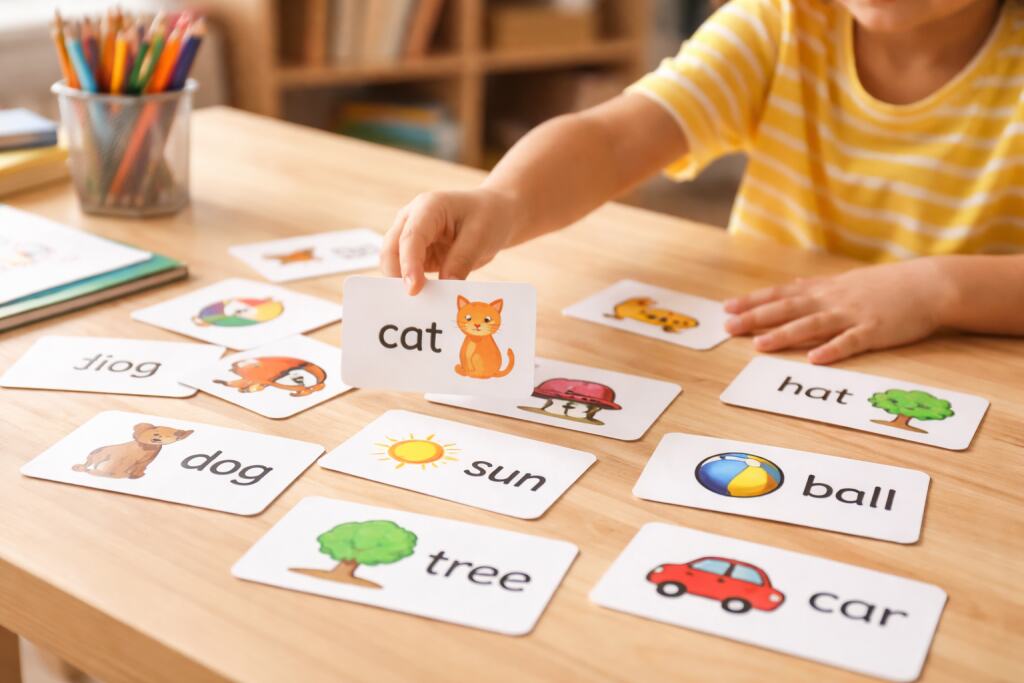
Sight words are the most frequently encountered words in the English language. They often do not follow regular phonetic rules, making them difficult for young children to sound out phonetically. Examples include “the”, “a”, “is”, “it”, “and”, and “to”. Without the ability to recognise these words automatically, children would have to painstakingly sound them out every time they appeared, significantly slowing down their reading pace and impeding comprehension. Imagine trying to read a sentence like “The cat sat on the mat” if you had to sound out “the” and “on” every single time. Sight word recognition allows children to bypass this phonetically challenging step for these common words, freeing up their cognitive resources to focus on the meaning of the story. This immediate recognition is a powerful predictor of reading success.
Why Instant Recognition Matters
The development of automaticity in reading is paramount. When a child can identify sight words without conscious effort, their reading becomes more fluent. Fluency is a bridge between word recognition and comprehension. A fluent reader can decode words quickly and accurately, allowing them to process the meaning of the text more effectively. Without automaticity, reading is often a laborious, word-by-word endeavour, leaving little mental energy for understanding the bigger picture. Sight words are the building blocks of this automaticity. They are the most frequently used words, and therefore, the ones that children will encounter repeatedly. By mastering them, children gain a significant advantage in their reading journey.
Beyond Decoding: A Gateway to Comprehension
The importance of sight words extends far beyond simple word recognition. As children become more adept at reading sight words, they begin to see the patterns and structures of the English language. This newfound recognition gives them a sense of accomplishment and fuels their desire to read more. When children can read familiar words effortlessly, they are more likely to engage with texts and enjoy the process of reading. This positive association with reading is vital for developing lifelong literacy habits. Furthermore, as children encounter more sight words, their vocabulary expands, and their understanding of how words function within sentences grows. This, in turn, directly contributes to improved reading comprehension, as they can better grasp the nuances of meaning.
Introducing sight words to kindergarteners requires a multifaceted approach that is engaging, repetitive, and tailored to their developmental stage. Making learning fun and accessible is crucial, as it fosters a positive learning environment that views mistakes as opportunities for growth. Various methods should be employed to cater to different learning styles, ensuring that all children have the chance to succeed.
Making Learning Fun and Interactive
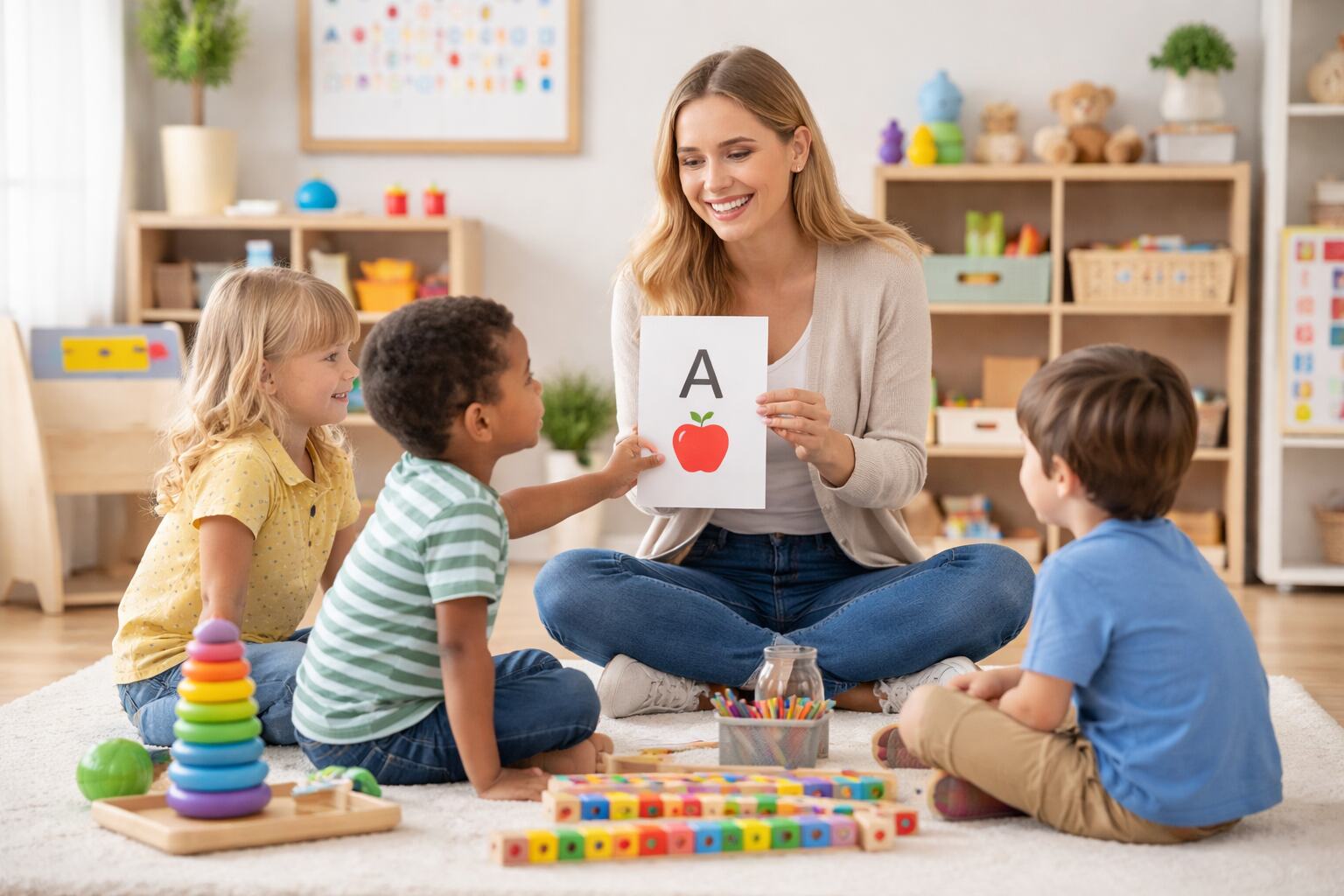
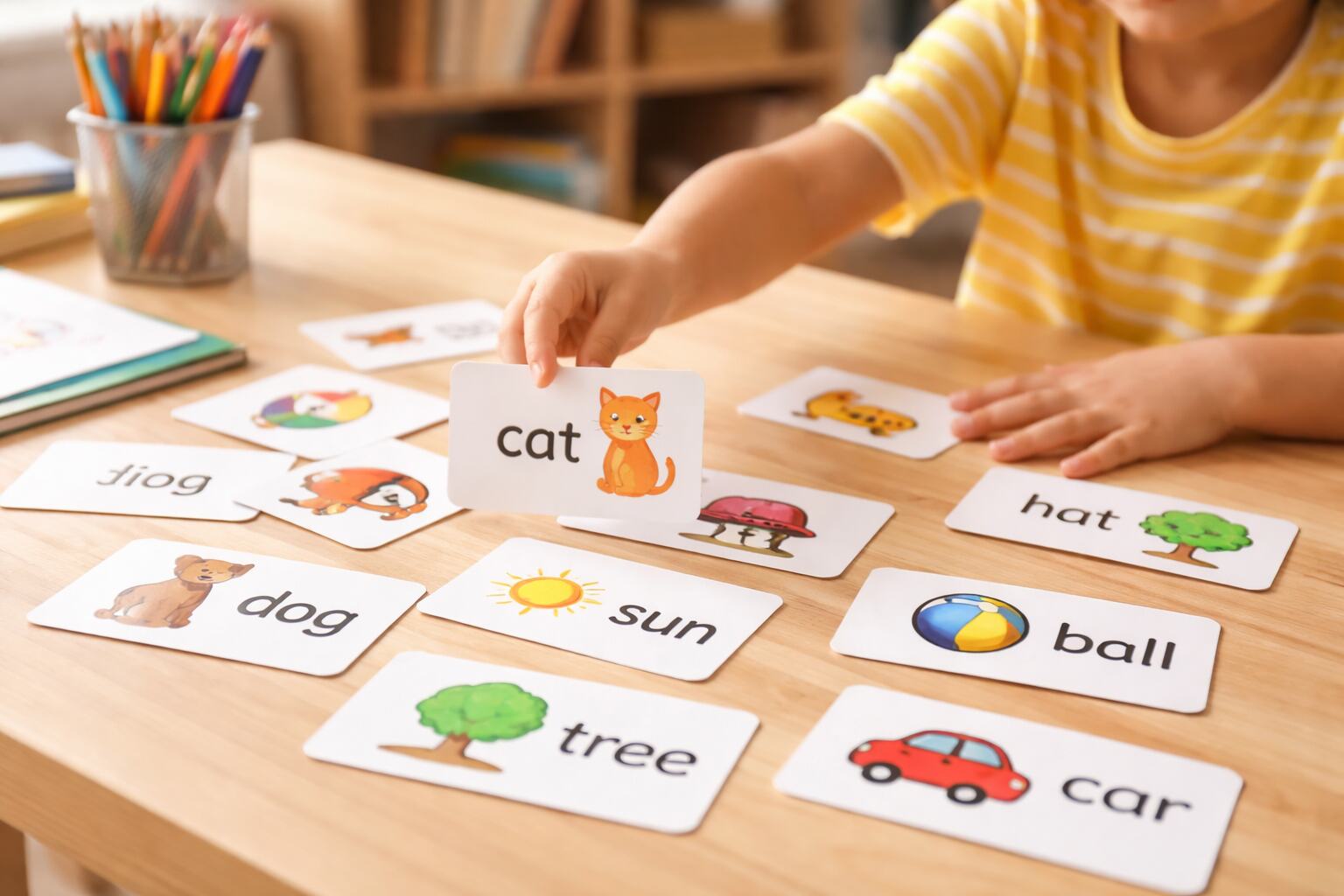
The most effective way to introduce sight words is through playful and interactive activities. Games are an excellent tool for this purpose. Flashcards can be used in engaging ways, not just for rote memorisation, but for various games like memory matching, “go fish” with sight words, or building sentences with word cards. Songs and poems that incorporate sight words are also highly effective, as the rhythm and repetition aid in memorisation. Movement can be incorporated as well; for instance, children can jump to a sight word called out or write sight words in the air.
Differentiating Instruction for Diverse Learners
It is essential to recognise that children learn at different paces and in different ways. Teachers must differentiate their instruction to meet the diverse needs of their students. Some children may benefit from visual aids, while others might respond better to auditory or kinaesthetic methods. Small group instruction can be particularly beneficial, allowing teachers to provide targeted support to students who are struggling and to challenge those who are progressing more quickly. Ongoing observation and assessment are crucial for identifying individual needs and adjusting teaching strategies accordingly.
The Power of Repetition and Review
Repetition is a cornerstone of sight word acquisition. Children need to see and practise sight words multiple times in various contexts to commit them to memory. Regular review sessions are crucial. This can be done through quick games, daily warm-ups, or incorporating sight words into ongoing lessons. The goal is to move sight words from the “recognition” stage to the “automatic recall” stage, where they are instantly recognised without conscious effort.
While the specific list of sight words can vary slightly depending on the curriculum, there are core sets of high-frequency words that form the foundation of early reading. These words are the most frequently used in children’s literature and everyday language. Familiarising kindergarteners with these words equips them with the tools to start reading simple sentences and stories.
The Dolch Sight Word List and Fry’s Sight Word Lists
Two widely recognised resources for sight words are the Dolch Sight Word Lists and Fry’s Instant Recall Sight Word Lists. The Dolch list is divided into pre-primer, primer, first grade, second grade, and third grade levels, with a significant portion of the pre-primer and primer words being appropriate for kindergarten. Fry’s lists, on the other hand, are organised into a hundred words per list, covering the most common words in reading. Kindergarteners typically focus on the first few hundred words from Fry’s list, often referred to as the “first 100” or “first 200” words.
Key Sight Words for Kindergarten Readiness
Some of the most critical sight words that kindergarteners should be introduced to include:
- Articles and Prepositions: a, an, the, in, on, at, to, of
- Pronouns: I, you, he, she, it, we, they
- Common Verbs: is, are, am, be, go, see, do, can, have, like
- Conjunctions: and
- Common Adjectives and Adverbs: big, little, good, very, up, down, here, there, no, yes
The goal is not necessarily to have them memorise all of these in the first week but to gradually introduce them through consistent practice and reinforcement.
The most effective way to solidify sight word knowledge is to embed it within the fabric of a kindergartener’s daily learning experiences. When sight words are not confined to isolated drills but are woven into authentic reading and writing activities, their relevance and utility become clear to the child. This organic integration makes learning more meaningful and memorable.
Reading Aloud and Shared Reading
During read-aloud sessions, teachers can point to sight words as they read them, drawing the children’s attention to them. They can pause and ask children to identify familiar words. Shared reading, where children read along with the teacher from a larger text, provides another opportunity for practice. Teachers can select books that are rich in high-frequency words and encourage children to participate in reading these words.
Writing Activities and Word Hunts
Teachers can incorporate sight words into writing activities by encouraging children to use them in their own sentences or stories. They can also participate in “word hunts” in books or around the classroom, where they search for specific sight words. Teachers can create anchor charts with currently taught sight words to provide children with a visual reference during their writing tasks.
Thematic Units and Play-Based Learning
Integrating sight words into thematic units makes learning more contextual and engaging. For example, during a “farm” unit, sight words like “cow”, “pig”, “farm”, and “go” (as in “go to the farm”) can be highlighted. Play-based learning naturally provides opportunities for practising sight words. Children might use word cards to label items in a play shop or build structures with blocks and write sight words on them.
Regular and varied assessment is crucial for understanding each child’s progress in sight word acquisition. It allows educators to identify strengths and areas that require further attention and intervention, ensuring that no child is left behind. Assessment should be ongoing and integrated into the learning process, rather than being a standalone event.
Informal Assessments: Observation and Anecdotal Notes
Informal assessments, such as observing children during reading activities, play, and group discussions, provide valuable insights. Teachers can make anecdotal notes about which sight words a child recognises consistently, which ones they struggle with, and their general approach to reading. This data can inform future lesson planning and targeted interventions.
Formal Assessments: Flashcard Drills and Sight Word Banks
While informal observations are essential, more formal assessments can also be beneficial. This might include systematic flashcard drills where the child is asked to read a set of sight word cards. Creating a “sight word bank” for each child, charting their progress on specific words, can provide a clear visual representation of their development. These tasks can be done by testing them on a curated list of words periodically.
Using Technology for Assessment and Tracking
Technology offers innovative ways to assess sight word proficiency. Educational apps and online platforms often have built-in assessment tools that can track a child’s progress in real time. These tools can provide immediate feedback for both the child and the educator and often generate reports that highlight areas of mastery and areas needing further practice.
The ultimate goal of sight word instruction is not just memorisation but the development of reading fluency and confidence. When children can read sight words without hesitation, it empowers them, reduces anxiety, and fosters a positive attitude toward reading. This emotional and cognitive boost is invaluable for their academic journey.
The Link Between Sight Words and Reading Fluency
As mentioned earlier, automatic recognition of sight words is a direct contributor to reading fluency. When a child doesn’t have to laboriously decode common words, they can read more smoothly and with greater expression. This improved fluency allows them to focus on the meaning of the text, leading to better comprehension.
Fostering Confidence Through Success
Consistent success with sight words builds a child’s confidence. Each recognised word is a small victory, and as these victories accumulate, children become more willing to tackle new words and more challenging texts. Positive reinforcement and celebrating progress, no matter how small, are crucial for nurturing this confidence.
Bridging to Phonics and Decoding
While sight words are essential, they are not the entirety of early reading instruction. It’s important to remember that sight word knowledge should be used in conjunction with phonics skills. As children master sight words, they can then better apply their phonics knowledge to decode unfamiliar words, creating a balanced approach to reading instruction.
In today’s digital age, technology offers a wealth of resources to make learning sight words more engaging and effective for kindergarteners. Interactive games, adaptive learning platforms, and educational apps can provide personalised learning experiences that cater to individual needs and learning styles.
Interactive Games and Educational Apps
Numerous apps and online games are designed specifically to teach sight words. These often utilise colourful graphics, engaging sound effects, and interactive elements to keep young learners motivated. Many of these apps use gamification principles, rewarding children for correct answers and progress, which can significantly enhance engagement and retention. Examples range from simple matching games to more complex sentence-building applications.
Adaptive Learning Platforms
Adaptive learning platforms are particularly powerful, as they can adjust the difficulty level of exercises based on a child’s performance. If a child is struggling with a particular sight word, the platform can provide more practice and reinforcement for that word. Conversely, if a child demonstrates mastery, the platform can move them on to new words or more challenging activities. This personalised approach ensures that each child is learning at their optimal pace.
Digital Flashcards and Online Resources
Even simple digital flashcards can be more dynamic than traditional paper ones, often incorporating audio pronunciation. Many websites offer free printable sight word lists, games, and activities that can supplement classroom instruction. Both parents and educators can easily access these.
The partnership between home and school is vital for a child’s educational success. Parents play a crucial role in reinforcing sight word learning and fostering a love of reading. Consistent practice and exposure to print in a supportive home environment can significantly accelerate a child’s sight word acquisition.
Creating a Print-Rich Environment
Surround your child with print. This includes having age-appropriate books readily available, labelling items around the house with words, and encouraging reading as a family activity. Even simple exposure to words in everyday settings, like reading street signs or grocery lists together, contributes to their word recognition skills.
Fun and Engaging Practice at Home
Turn sight word practice into enjoyable activities. Play sight word games together, create homemade flashcards, or have your child “read” simple sentences to you using the sight words they are learning. Read aloud to your child regularly, pointing out familiar sight words in the stories. The goal is to make learning feel like play, not a chore.
Reading Together Consistently
Regular reading aloud to your child is one of the most impactful things you can do. As you read, point to the sight words that your child is learning in the classroom. Ask them to identify these words. This not only reinforces their learning but also builds their vocabulary and comprehension while fostering a strong bond between you.
Various excellent resources and tools are available to support educators and parents in teaching sight words to kindergarteners. These range from physical materials to digital platforms, offering diverse approaches to cater to different learning needs and preferences. Having a well-rounded toolkit can make the process of teaching sight words more manageable and effective.
Physical Resources: Flashcards, Games, and Books
High-quality flashcards, often colour-coded by difficulty level, are a staple for sight word instruction. Many educational companies offer engaging sight word games that make practice fun and interactive. Additionally, selecting books that are specifically designed for early readers, or those that are known to be rich in high-frequency words, can provide excellent opportunities for practising sight word recognition in context.
Digital Platforms and Educational Technology
As previously discussed, educational apps, online learning platforms, and interactive software can provide dynamic and adaptive learning experiences. These tools often offer immediate feedback, progress tracking, and a wide variety of engaging activities that can keep children motivated. Many of these resources are designed to be self-paced, allowing children to learn at their speed.
Curriculum-Aligned Materials and Teacher-Created Resources
Many early childhood education curricula include specific sight word components and provide accompanying materials. Teachers can also create their own resources, such as word walls, personalised flashcards, or interactive bulletin boards, tailored to the specific needs and interests of their students. Collaborating with other educators and sharing successful resources can also be highly beneficial.
Building a strong foundation of sight word recognition in kindergarten is a critical step towards fostering lifelong readers. By employing effective teaching strategies, integrating sight words into daily activities, utilising technology, and fostering a supportive home learning environment, we can empower young learners to confidently embark on their literary journey, opening up a world of knowledge and imagination.