
Listening grows through everyday conversation and practice. These short activities give children a playful reason to notice sounds, follow a simple instruction, or take turns. They are ideas for home or classroom use, not a test of a child’s hearing, language, or attention.
Five listening games
1. Copy the rhythm
Tap a short, gentle pattern on a table or clap it once. Invite the child to copy it, then let the child make a pattern for you. Start with two or three taps and add a pause or a different sound only when the child enjoys the game.
2. Sound detective
Sit quietly together and name sounds you can hear, such as a bird, a kettle, or footsteps. Ask the child to point toward a sound or describe whether it is near or far. Do not use loud or startling sounds.
3. Story stop-and-tell
Read a short story aloud. Pause once or twice to ask what a character did, what might happen next, or which detail the child remembers. Let the child answer in words, gestures, or a drawing, depending on age and comfort.
4. One-step directions
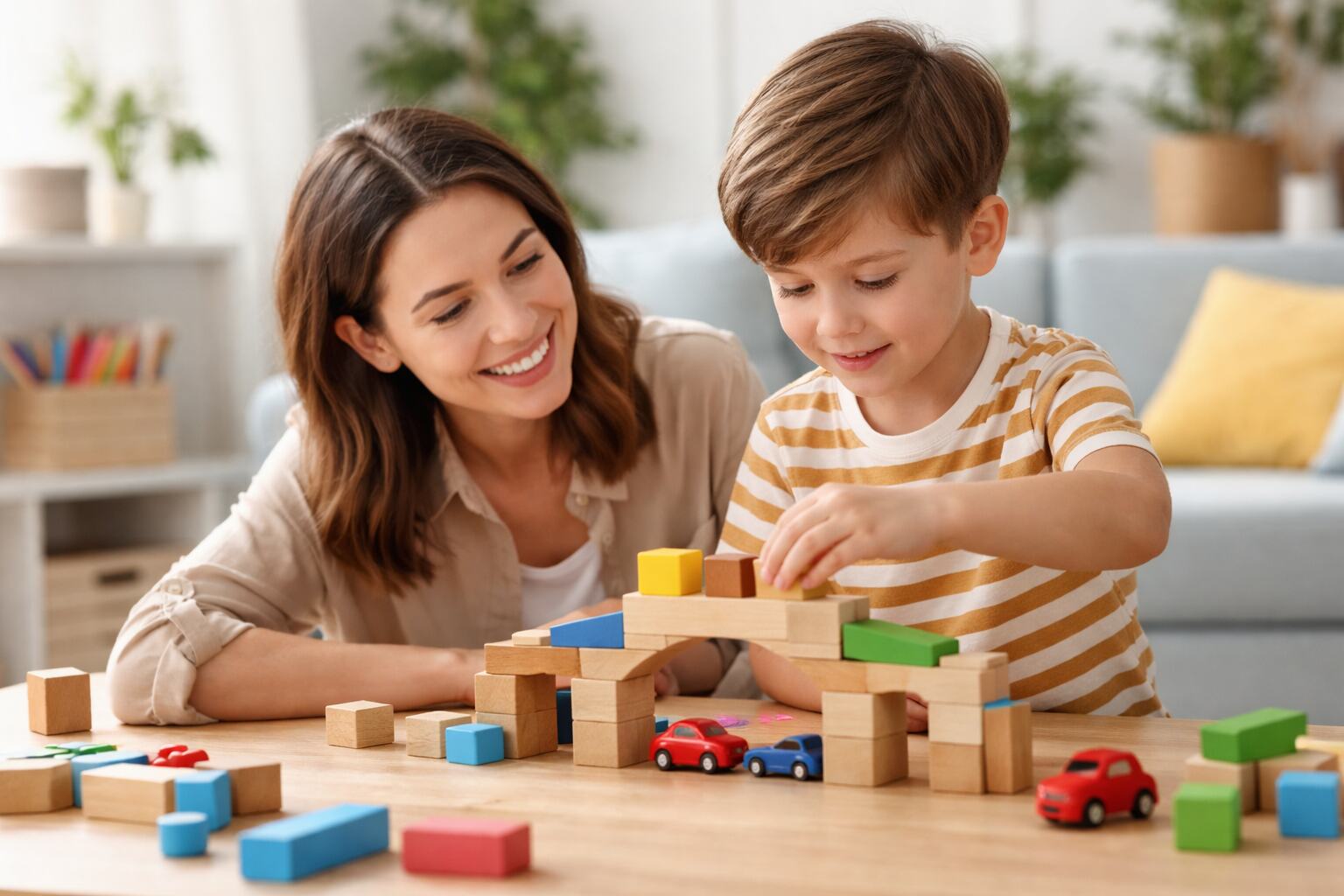
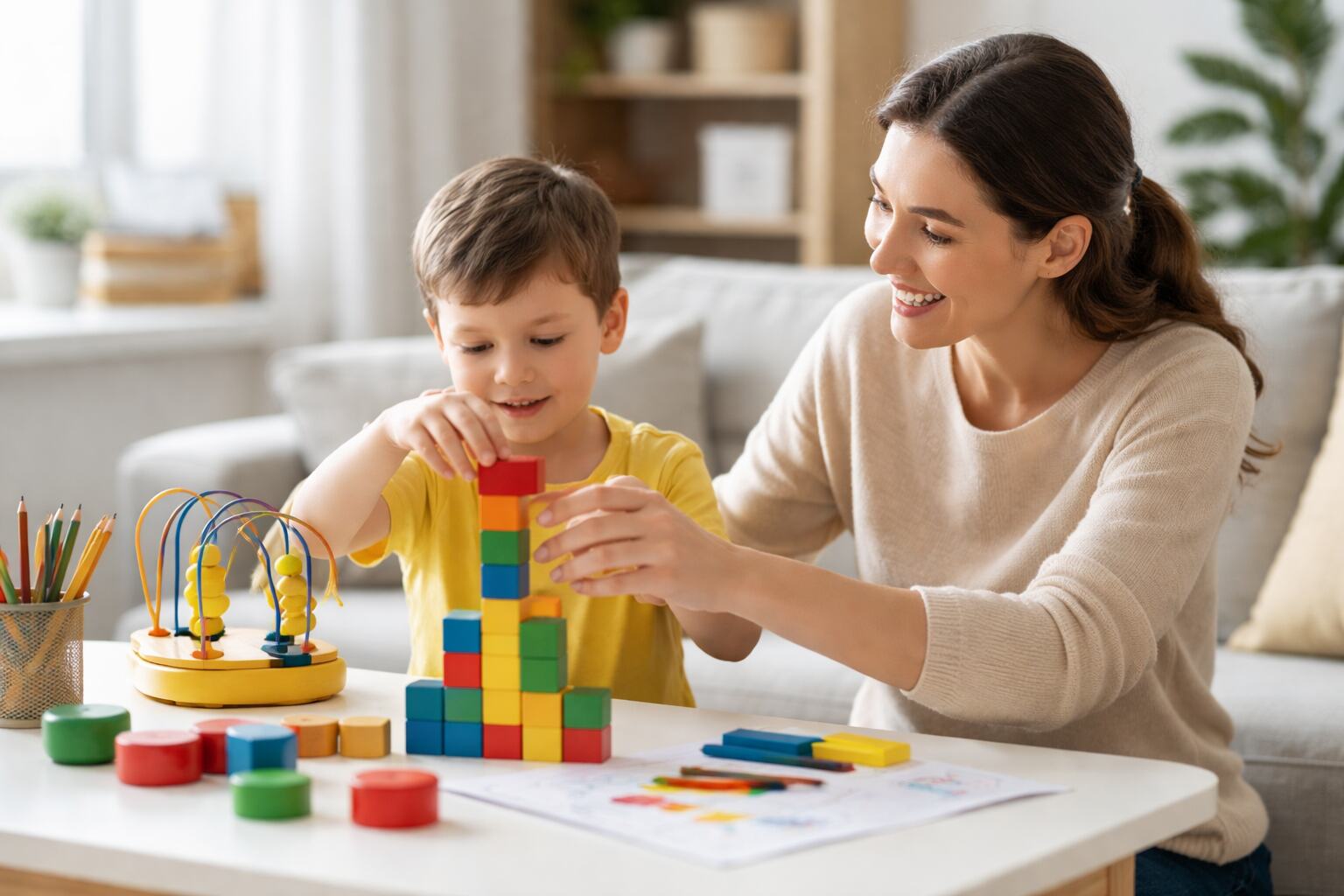
Give one familiar direction, such as “put the blue block in the box.” When that feels easy, try two connected steps. Keep the wording short, give the child time to respond, and show the action if the words are unclear.
5. Draw what you hear
Describe a simple picture using two or three details: “Draw a big circle, then put a small dot inside.” Switch roles so the child gives you directions. Focus on sharing the idea, not on making either drawing look perfect.
Make the activity easier to follow
- Choose a quieter moment and face the child before speaking.
- Use a short sentence, then pause instead of repeating it rapidly.
- Offer one instruction at a time and add gestures or a picture when helpful.
- Let the child choose the game and stop when either of you has had enough.
- Praise the effort to take turns or notice a sound, not only a correct answer.
Keep the goal realistic
Children respond differently depending on age, language, tiredness, surroundings, and interest. A game that works one day may not work the next. If a child often seems unable to hear or understand everyday speech across different settings, discuss your observations with the child’s caregiver, teacher, or a qualified health professional. These games cannot identify the reason.
Further reading
NAEYC describes how play can support learning in its overview of play in early childhood. The What Works Clearinghouse also provides a research-informed guide to preparing young children for school.