
From Shy to Confident: Strategies for Helping Children Open Up
Observing a child shrink into themselves when faced with social situations or struggle to articulate their thoughts can be both heartbreaking and perplexing for parents. Shyness, while a natural facet of many personalities, can sometimes hinder a child’s development, limiting their ability to form connections, express their needs, and fully engage with the world around them. It’s not about changing who they are, but giving them the tools and confidence to grow. This journey requires patience, understanding, and a strategic approach that empowers children to embrace their voice and navigate social landscapes with greater ease.
Contents
Understanding Shyness in Children
Shyness is more than just introversion; it’s often accompanied by feelings of apprehension, discomfort, or even fear in social settings. This internal experience can manifest externally as reluctance to speak, avoidance of eye contact, withdrawing behaviour, or even physical symptoms like blushing or a racing heart.
Differentiating Shyness from Social Anxiety
It is crucial to understand the distinction between typical shyness and social anxiety. Shyness is a personality trait, a preference for quieter interactions or a slower pace in new situations. Children with shyness may eventually warm up to others and participate. Social anxiety, on the other hand, is a more severe condition characterised by intense fear and avoidance of social situations, often leading to significant distress and impairment in daily functioning. If a child’s shyness is pervasive, causes extreme distress, or significantly impacts their quality of life, professional intervention may be warranted. Recognising this difference helps parents tailor their support appropriately, understanding when encouragement is enough and when professional guidance is needed.
Common Triggers and Root Causes
The roots of shyness can be multifaceted. Temperamental factors play a significant role; some children are simply born with a more inhibited temperament, predisposing them to shyness. Environmental factors also contribute. Overprotective parenting, negative past social experiences, bullying, or even a lack of opportunities for social interaction can exacerbate shy tendencies. Learning to identify these triggers and underlying causes is the first step toward developing effective strategies. For instance, a child who experienced rejection in a playgroup might become wary of future social interactions, requiring a gentle and supportive reintroduction to new friendships.
Building Trust and Creating a Safe Environment
A child’s journey from shyness to confidence fundamentally relies on a strong foundation of trust and a feeling of absolute safety. When a child feels unconditionally accepted and understood at home, they gain the courage to take risks and experiment with new behaviours in the outside world.
Active Listening and Validation
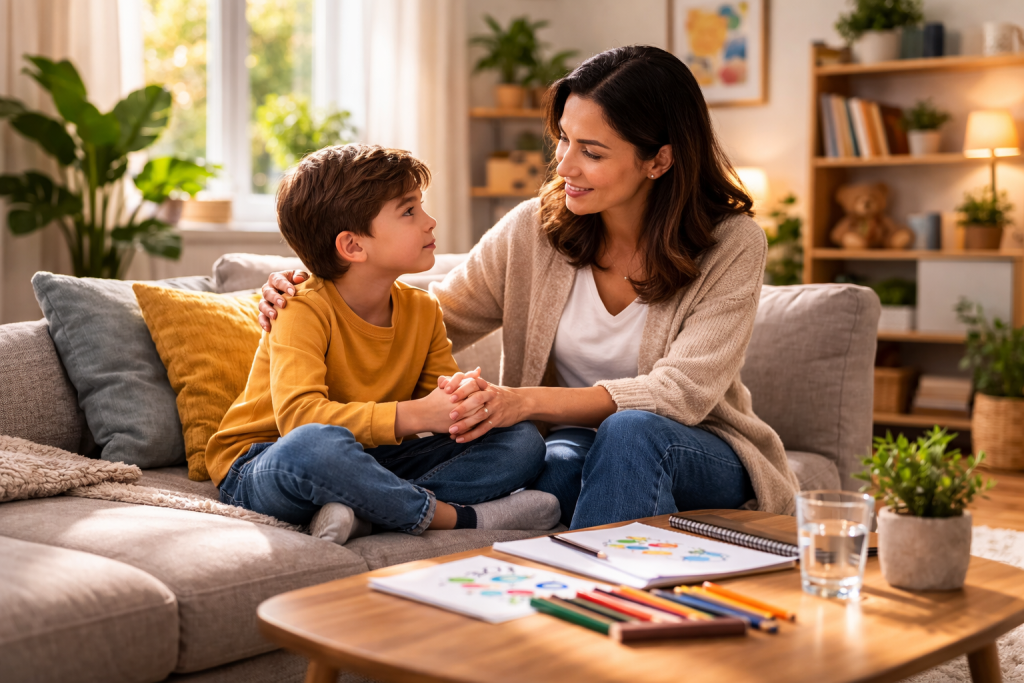
One of the most powerful tools for building trust is active listening. This means truly hearing what your child is saying, both verbally and non-verbally, without judgement or immediate solutions. When a child expresses a fear or worry, even if it seems small to an adult, it’s vital to validate their feelings. Statements like, “It sounds like you’re feeling a little nervous about the party, and that’s okay,” acknowledge their emotions and show empathy. This validation communicates that their feelings are legitimate and that you are a safe space for them to express themselves. It also helps them to learn to identify and articulate their emotions, a crucial step in emotional intelligence.
Establishing Predictable Routines and Consistency
Children thrive on predictability. A consistent home environment with clear routines provides a sense of security and reduces anxiety, particularly for shy children who may be more sensitive to changes. Knowing what to expect reduces mental load and allows them to conserve energy for social interactions. This consistency extends to your responses as a parent; children need to know that your reactions will be consistent and fair, building a reliable framework for their world. Predictable routines also offer opportunities for structured social practice within the family, like regular dinner conversations or designated playtime.
Celebrating Small Wins and Effort
Shifting from shyness to confidence is a gradual process, marked by small, incremental victories. It is imperative to acknowledge and celebrate these small wins, no matter how insignificant they might seem. Did your child make eye contact with a new person for a fleeting second? Did they offer a quiet “hello”? Did they participate in a group activity for even a few minutes? These are all moments to celebrate. The emphasis should always be on effort, not just outcome. Praising their bravery in trying, rather than just success in performing, reinforces a growth mindset and encourages them to continue pushing their boundaries.
Encouraging Communication Through Play and Activities
Play is a child’s natural language, and it provides a non-threatening avenue for practising social skills and expressing themselves. Structured and unstructured play opportunities can be invaluable in helping shy children open up.
Role-Playing and Storytelling
Role-playing scenarios can be incredibly effective. Parents can act out various social situations, such as introducing themselves to a new friend, asking for help, or joining a group. This allows children to practise responses in a safe, low-stakes environment. Similarly, storytelling, whether creating narratives together or acting out stories with puppets or stuffed animals, encourages verbal expression and imaginative thinking. It provides a means for children to project their thoughts and feelings onto characters, which can be less intimidating than directly expressing them.
Group Activities and Gradual Exposure
While forcing a shy child into a large group can be counterproductive, thoughtful and gradual exposure to group settings is important. Start with small, familiar groups, perhaps a playdate with one trusted friend. As their comfort grows, introduce them to slightly larger groups or activities that align with their interests. The key is to make these experiences feel positive and optional, avoiding overt pressure. Joining a small, interest-based class, like an art class or a book club, can provide a structured social environment where shared passions create a natural bridge for interaction.
Creative Outlets and Expressive Arts
Creative activities offer a wonderful avenue for self-expression without the pressure of direct verbal interaction. Drawing, painting, music, dancing, or even building with blocks can help children communicate feelings and ideas they might struggle to articulate verbally. These activities can build self-esteem and provide a sense of accomplishment, which in turn fuels confidence. When children feel proficient and proud of their creative endeavours, they are more likely to share their work and, eventually, their thoughts with others.
Teaching Assertiveness and Self-Expression
Confidence isn’t just about being comfortable in social situations; it’s also about having the ability to stand up for oneself and express personal thoughts and needs respectfully.
Distinguishing Assertiveness from Aggression
It’s crucial to teach children the difference between assertiveness and aggression. Assertiveness involves clearly and respectfully communicating one’s needs, opinions, or boundaries, while aggression is disrespectful and potentially harmful. We can model assertive language and behaviours, such as using “I” statements (“I feel frustrated when…”) and maintaining polite but firm eye contact when expressing a viewpoint. Discussing hypothetical scenarios and how to respond assertively can provide practical tools.
Practicing “I” Statements
“I” statements are a cornerstone of assertive communication. Teach children to express their feelings and needs directly, using phrases like “I would like to play with that toy now” or “I feel sad when you don’t listen to me.” This shifts the focus from blaming others to articulating their own internal experience, which is both respectful and empowering. Practising these statements at home, even in non-conflict situations, can make them more natural when real-life situations arise.
Encouraging Opinion Sharing (Respectfully)
Create a home environment where differing opinions are not only tolerated but encouraged. During family discussions, ask your child for their thoughts, even if their viewpoint is different from yours or others’. Model active listening to their opinions, even if you disagree. This teaches them that their voice matters and that their perspective is valued. It’s also an opportunity to teach them how to express disagreement respectfully, using phrases like “I see your point, but I also think…”
Role Modeling and Positive Reinforcement
Children are keen observers, and parents are their most influential role models. How you navigate social situations and respond to challenges profoundly impacts your child’s development.
Demonstrating Confident Social Behavior
Consciously model the behaviours you wish to see in your child. When you meet new people, introduce yourself with a smile, make eye contact, and engage in conversation. If you attend social events, demonstrate enthusiasm (even if you feel a little nervous yourself). Talk about your own social interactions, both positive and challenging, and how you navigated them. For instance, “I felt a little awkward at first when I went to the new yoga class, but I introduced myself to one person, and it made me feel much better.”
Positive Reinforcement and Specific Praise
Generic praise like “good job” is less effective than specific praise. Instead of just saying, “You were brave,” try, “I noticed how you looked the teacher in the eye when you asked your question. “That was very brave!” This specific feedback helps the child understand exactly what behaviour earned the praise, making them more likely to repeat it. Positive reinforcement should be authentic and genuinely reflect their efforts and progress, reinforcing their growing confidence and resilience.
Creating Opportunities for Success
Intentionally create situations where your child can experience success, even small ones. This could involve assigning them a manageable task at a family gathering, asking them to help a neighbour, or involving them in problem-solving activities at home. Success builds self-efficacy – the belief in one’s own ability to succeed – which is a cornerstone of confidence. These opportunities should be tailored to their current developmental stage and interests, ensuring they are challenging but achievable.
Addressing Fear and Anxiety
Fear and anxiety are often at the heart of shyness. Learning to manage these emotions is crucial for a child to move toward greater confidence.
Teaching Relaxation Techniques
Simple relaxation techniques can be incredibly helpful. Deep breathing exercises, like “belly breathing”, can calm the nervous system. Progressive muscle relaxation, where children tense and then release different muscle groups, can help them become more aware of physical tension and how to alleviate it. Guided imagery, asking them to imagine a peaceful place, can also be a powerful tool for managing anxiety in the moment. Practising these techniques regularly, even when not anxious, makes them more effective when needed.
Gradual Exposure and Desensitization
For children with more pronounced social anxiety, gradual exposure can be a highly effective strategy, often guided by a professional. This involves creating a hierarchy of feared social situations, starting with the least anxiety-provoking and slowly working up to more challenging ones. For example, a child might start by simply observing a group playing, then move to sitting near them, then eventually join for a short period. Each step is taken only when the previous one is comfortable, allowing for desensitisation to the feared situation.
Seeking Professional Support When Needed
If a child’s shyness is significantly impacting their academic performance, social relationships, or overall well-being, or if it presents as more severe social anxiety, seeking professional help is paramount. A child psychologist or therapist can provide tailored strategies, cognitive-behavioural therapy (CBT) techniques, and support for both the child and the family. Early intervention can make a significant difference in a child’s long-term emotional health and development. Addressing these underlying fears paves the way for genuine and sustainable confidence.

Emma Carter is an early childhood education enthusiast and content creator at Edyzoa. She is passionate about helping children learn through fun, engaging, and safe educational resources that support creativity, curiosity, and skill development.