The vibrant world of early childhood education thrives on the boundless energy and innate curiosity of preschoolers. In this crucial developmental stage, learning is not a passive reception of information but an active, joyful exploration. Among the most potent tools for unlocking this potential are educational crafts, which transform everyday materials into gateways for discovery. This article delves into the profound importance of play in early childhood, examining how thoughtfully designed crafts can significantly enhance learning and exploring the multifaceted benefits of incorporating these playful experiences into the preschool curriculum.
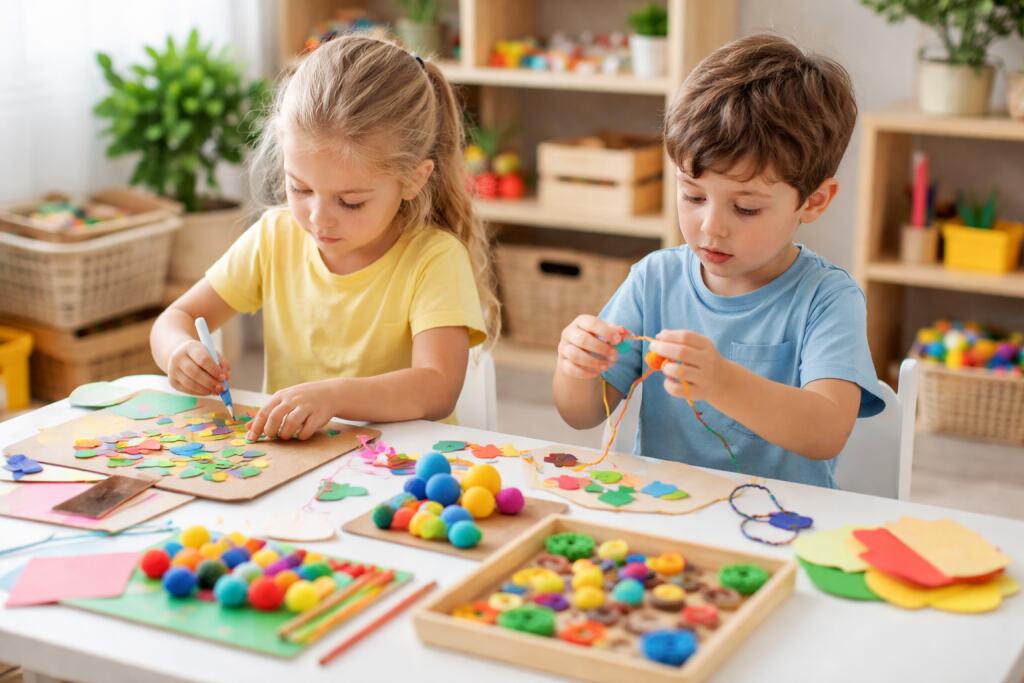
Play is not merely a pastime for preschoolers; it is their primary language, their most effective learning modality, and the very foundation upon which all future learning is built. Through play, children experiment, problem-solve, and construct their understanding of the world around them. It’s a process driven by intrinsic motivation, where the joy of engagement fuels the learning process.
The Role of Play in Cognitive Growth
The complex chains formed in a young child’s brain are significantly stimulated through playful interactions. When a child manipulates materials, builds, and imagines, they are actively engaging their cognitive functions. This process helps develop crucial skills such as memory, attention, and critical thinking.
Understanding Cause and Effect
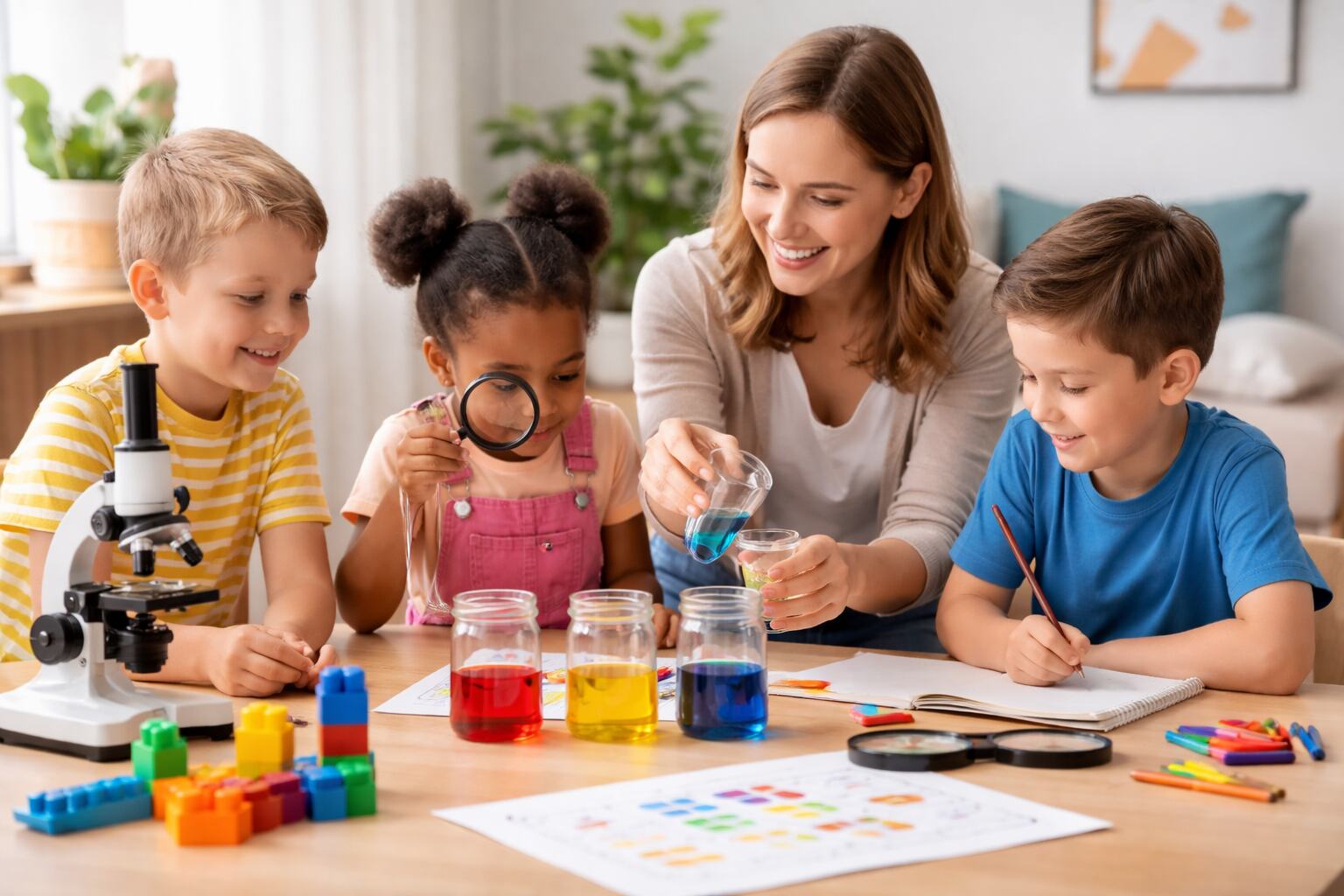
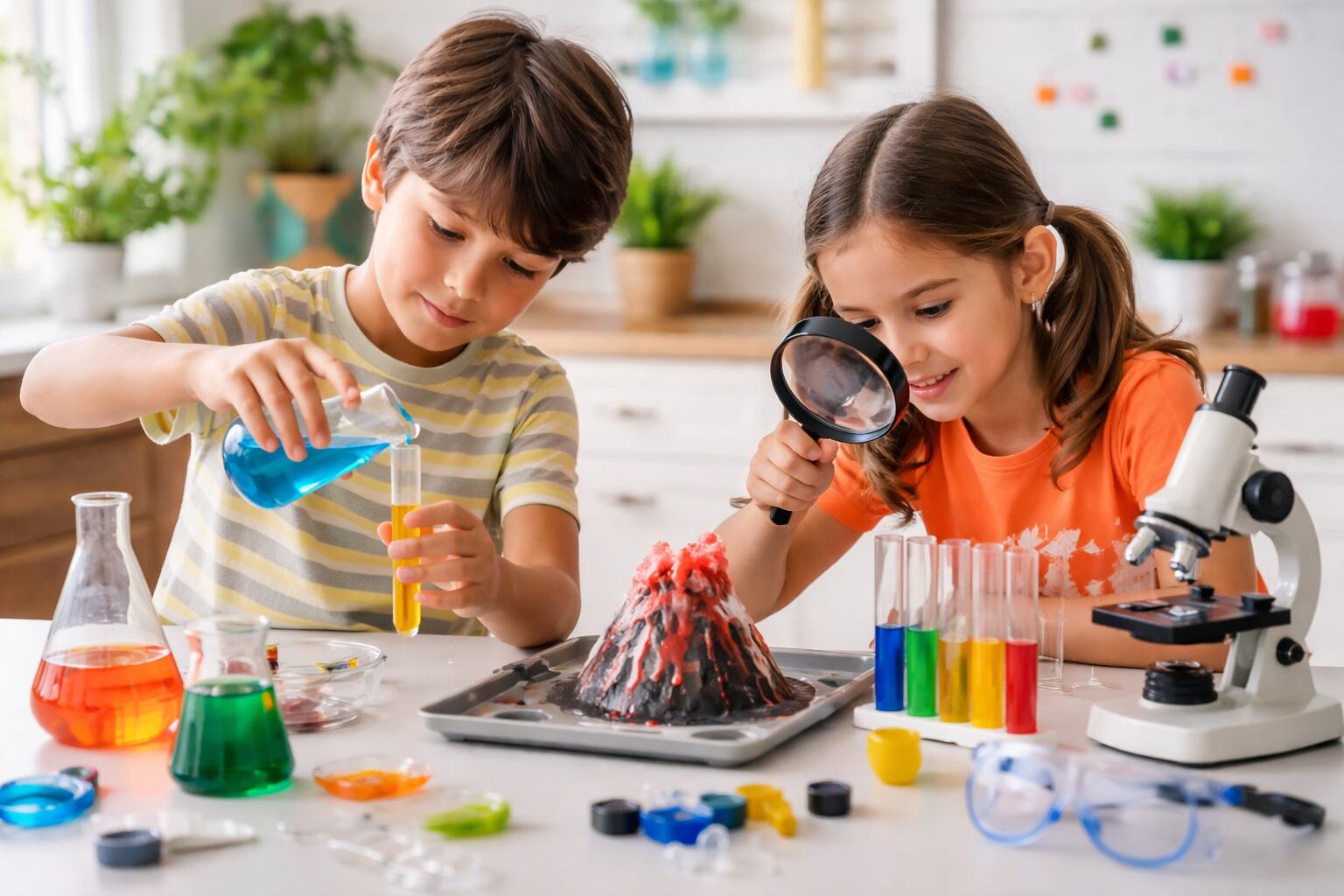
When a preschooler stacks blocks only to see them tumble, they are learning about gravity, balance, and the concept of consequence. Similarly, mixing colours in a craft activity demonstrates the principles of colour theory in a tangible, enjoyable way. These early experiences with cause and effect lay the groundwork for later scientific inquiry and logical reasoning.
Developing Problem-Solving Skills
Play-based learning inherently presents challenges that young children must overcome. Whether it’s figuring out how to make a loose part stay attached in a craft or how to share a coveted toy, children are constantly developing their problem-solving repertoires. This resilience and resourcefulness are invaluable life skills.
Play as a Catalyst for Social and Emotional Development
Beyond cognitive benefits, play is instrumental in nurturing a child’s social and emotional intelligence. Through shared play experiences, preschoolers learn to navigate social interactions, understand emotions, and develop empathy.
Learning Cooperation and Sharing
Group craft activities offer natural opportunities for children to learn cooperation and sharing. Waiting for a turn with scissors, offering assistance to a peer, or collaboratively creating a large mural all contribute to the development of these vital social skills.
Expressing Emotions and Building Self-Awareness
Creative expression through crafts allows children to externalise their feelings and experiences. A child who is feeling energetic might create a vibrant, fast-moving painting, while another feeling anxious might produce a more contained, detailed artwork. This process helps them recognise and process their emotions, fostering self-awareness and emotional regulation.
Educational crafts are not simply about making something pretty; they are meticulously designed to engage young minds and bodies in the learning process. By integrating learning objectives into fun, hands-on activities, crafts make abstract concepts concrete and memorable.
Translating Abstract Concepts into Tangible Experiences
Many preschool learning goals involve understanding concepts that can be difficult for young children to grasp abstractly. Crafts provide a bridge, allowing them to touch, feel, and manipulate materials in ways that solidify understanding.
Exploring Shapes and Spatial Reasoning
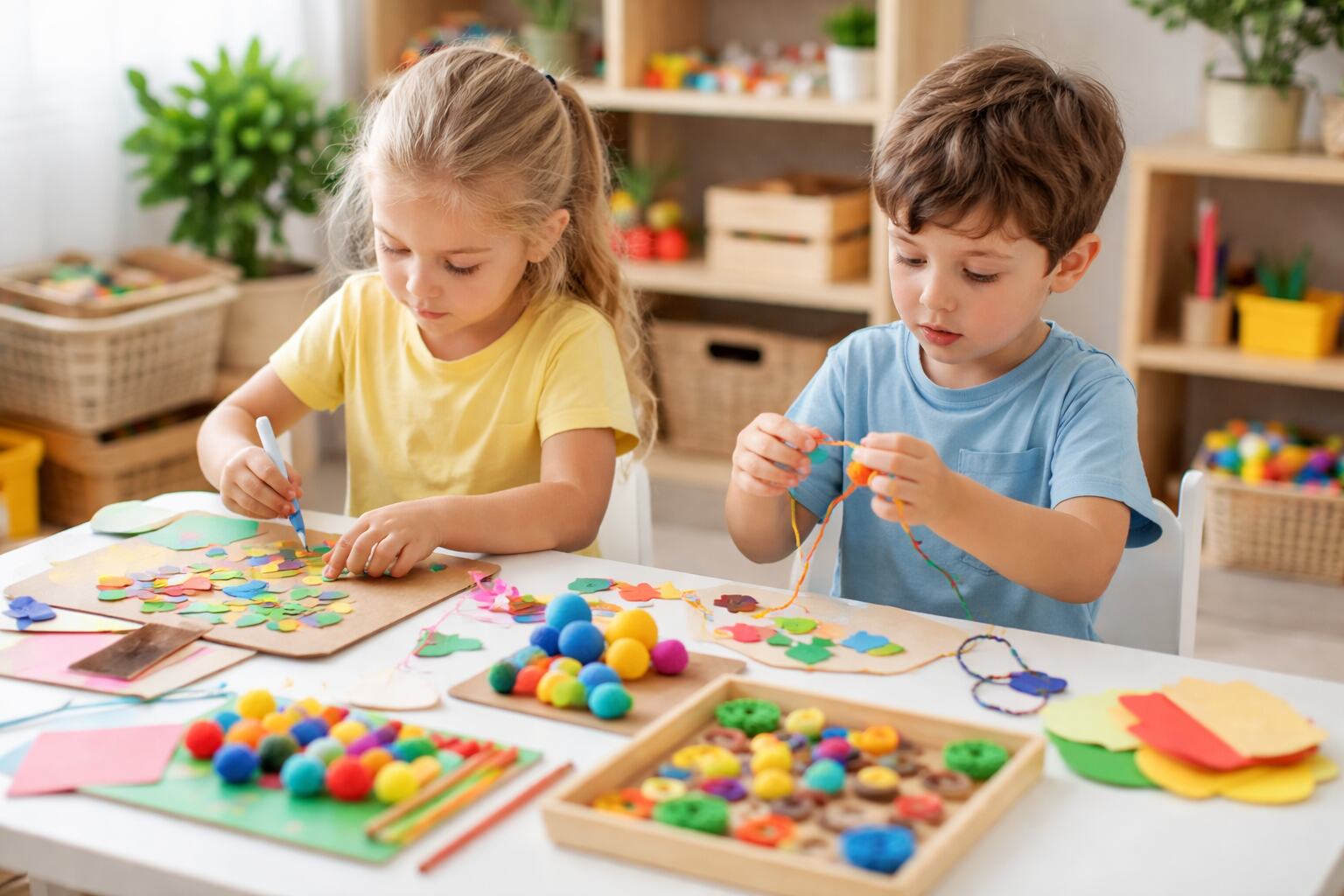
Cutting out circles, squares, and triangles from paper for a collage helps children recognise and differentiate geometric shapes. Building a tower with recycled materials encourages an understanding of balance, stability, and how different shapes occupy space. This tactile engagement with spatial relationships is foundational for later mathematical understanding.
Understanding Measurement and Quantity
Activities involving counting beads for a necklace, measuring lengths of yarn for a weaving project, or dividing playdough into equal portions introduce early concepts of measurement and quantity in a playful, intuitive manner.
Reinforcing Concepts Through Repetition and Engagement
When approached with enthusiasm, the repetitive nature of many craft activities serves as a powerful reinforcement tool. The joy derived from the process makes children more receptive to practising and solidifying new knowledge.
Mastering Fine Motor Skills and Hand-Eye Coordination
The intricate movements required for cutting, glueing, painting, and manipulating small objects in crafts are essential for developing fine motor skills. These skills are crucial for everyday tasks like writing, dressing, and eating. Furthermore, the coordination needed to guide a crayon to stay within the lines or to attach a small sticker develops critical hand-eye coordination.
Improving Concentration and Focus
Engaging in a craft project requires a certain level of sustained attention. As children become absorbed in the task, they naturally develop their ability to concentrate and focus, a skill that benefits all areas of their academic development.
Integrating play-based learning, with a strong emphasis on educational crafts, into a preschool curriculum is not an add-on; it’s a fundamental shift in pedagogical approach. It requires a conscious effort to design learning experiences that are child-centred, inquiry-driven, and inherently joyful.
Designing Learning Centers for Exploration
The classroom environment itself can be transformed into a dynamic learning space through the strategic placement of learning centres. These centres should be stocked with a variety of materials that encourage exploration and creativity.
The Art and Craft Station
This dedicated space should be a haven for creativity, equipped with an ever-changing selection of art supplies, recycled materials, natural objects, and tools that are safe and age-appropriate. The key is to offer open-ended materials that allow for a multitude of interpretations and creations.
The Construction Zone
Filled with blocks of various shapes and sizes, cardboard tubes, connectors, and other building materials, this zone invites children to engage in imaginative construction projects, fostering problem-solving and spatial reasoning.
Thematic Learning with Craft Integration
Tying craft activities to the preschool’s broader thematic units provides a cohesive and meaningful learning experience. This approach allows children to explore concepts from multiple angles and see the relevance of their creative endeavours.
Exploring the Natural World
If the theme is “Habitats”, children might create mini-ecosystems in jars using natural materials collected on a nature walk or build bird feeders as a tangible way to understand animal needs.
Understanding Community Helpers
A unit on “Community Helpers” could involve children crafting their doctor’s kits, making pretend mail carriers’ bags, or designing miniature police cars, fostering an understanding of different roles and responsibilities.
Facilitating, Not Dictating: The Teacher’s Role
In a play-based environment, the teacher acts as a facilitator, guide, and observer, rather than a dispenser of information. Their role is to create a supportive and stimulating environment, pose thoughtful questions, and extend children’s learning through thoughtful interactions.
Asking Open-Ended Questions
Instead of asking, “What colour is that?”, a teacher might ask, “Tell me about the colours you’ve used here. What does this colour make you think of?” This encourages deeper thinking and articulation of ideas.
Providing Scaffolding and Support
When a child struggles with a particular craft technique, the teacher can offer gentle guidance and support, demonstrating a step or providing a simplified version of the task to enable success and build confidence.
Engaging in hands-on learning activities, especially those that involve educational crafts, fosters a child’s innate desire to learn by doing. This kinaesthetic engagement offers a range of profound benefits that extend far beyond the immediate creative output.
Deepening Understanding and Retention
When children engage their senses and bodies in the learning process, the information they absorb is more deeply ingrained. The physical act of creating something anchors the learning in their memory far more effectively than passive listening or reading.
Making Learning Memorable
The feeling of squishy playdough, the smell of fresh